













































































































Septic tank (septitank): how a septic system works
Published · Updated
A septic tank is a buried, watertight container, usually of concrete, fibreglass or polyethylene, that holds household wastewater long enough for solids to settle, says the US EPA. The settled sludge has to be pumped out every 3 to 7 years, according to University of Georgia Extension.
In stock in Zanzibar
See all 11 products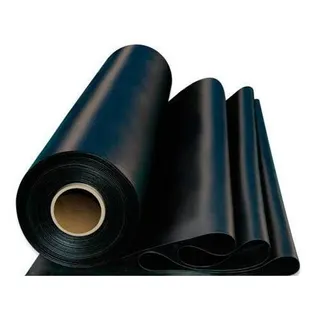
HDPE Geomembrane (Dam Liner), Smooth, 0.3 mm
Smooth0.3 mmHDPE liner for ponds, water pans and reservoirs.
Order on WhatsAppTZS 1,052,000perroll
K11 Polymer Cement Waterproof Coating (Two-Component)
18 kg/barrelOrder on WhatsAppTZS 155,000perbucket
Non-Woven Needle-Punched Polypropylene Geotextile 200 g/m²
200 g/m²Order on WhatsAppTZS 526,000perroll





What a septic tank is
The US Environmental Protection Agency describes a septic tank in its guide to how a septic system works as a buried, water-tight container, usually made of concrete, fibreglass or polyethylene. Wastewater from the toilets, kitchen and bathrooms runs into it and separates into three layers: heavy solids sink as sludge, oils and grease float as scum, and the partly clarified liquid in between, the effluent, flows on.
Compartments and a T-shaped outlet keep the sludge and scum inside the tank, the EPA explains, so that only effluent reaches the ground. There the soil does the rest of the treatment, removing bacteria, viruses and nutrients as the water seeps down.
Parts of a septic tank system
The tank is only one part. A beginner’s guide to septic systems from University of Georgia Extension lists three components:
- The tank, where solids settle and are partly broken down by bacteria.
- The drain lines, which carry effluent out; a distribution box can split it between several lines.
- The soil treatment area, also called a drainfield or leach field, where the soil cleans the water.
Each time new wastewater enters the tank, an equal volume of effluent is pushed out to the drainfield. That is why the drainfield matters as much as the tank.
Septic tank, cesspit and soak pit
These three words describe different things. A cesspit or cesspool, as the construction reference Designing Buildings defines it, is an underground tank with no outlet: it only stores sewage and treats nothing, and a vacuum tanker has to empty it, typically about once a month. The same page gives the UK minimum size from Approved Document H: 18,000 litres for two users and a further 6,800 litres for each additional user, based on an inflow of 150 litres per person per day. The size is large because nothing leaves a cesspit except by tanker.
Designing Buildings adds that “cesspit” is sometimes used for an unsealed soak pit, which lets liquid seep into the ground; pits of that kind, used after a tank, are covered under soak pits. Terms such as septic pit or septic well are not defined in these sources, so ask a builder which of the three is meant. A tank in which bacteria do more of the treatment is covered under biodigesters.
Septic tank size
UGA Extension puts the tank of an average American home, with three bedrooms and two bathrooms, at 1,000 gallons, which is about 3,785 litres (our conversion at 3.785 litres per gallon). That figure reflects US practice; the size for a house in Tanzania should come from the designer’s calculation for its number of users. The same guide notes that tanks are often concrete, so a concrete septic tank, also called a cement septic tank, is a common option; the EPA also lists fibreglass and polyethylene.
Looking after a septic tank
The UGA guide gives three rules for keeping the tank and drainfield working:
- Pump it every 3 to 7 years. Bacteria cannot break down all the sludge. If nobody knows when it was last emptied, pump it now.
- Keep vehicles off. Driving or parking over the tank or drainfield can crack the tank, crush the drain lines or compact the soil.
- Watch what goes down. Cooking oil, paper towels, hygiene products, household chemicals, paint and coffee grounds all add to the sludge and mean more frequent pumping. A kitchen waste disposal unit has the same effect, the guide adds.
For a new septic tank or new septic system, these points belong in the design brief: where the tank and drainfield go, how a tanker will reach the lid, and where the outflow will soak away. Kitovu does not sell septic tanks.