













































































































Sealant tape and waterproof tape: which type goes where
Published · Updated
Sealant tape is a self-adhesive strip that closes a joint, crack or flashing against water. Bitumen flashing tape such as Bostik Flashband has a grey lacquered face and works from −10°C to +100°C; rubber joint tape, such as Mapei's Mapeband, is bedded into a cementitious waterproofing instead.
In stock in Zanzibar
See all 11 products
Beige Porcelain Tile 1200x600 mm, Matt Anti-Slip R10
1200 × 600 mmR10Order on WhatsAppTZS 49,680pertile
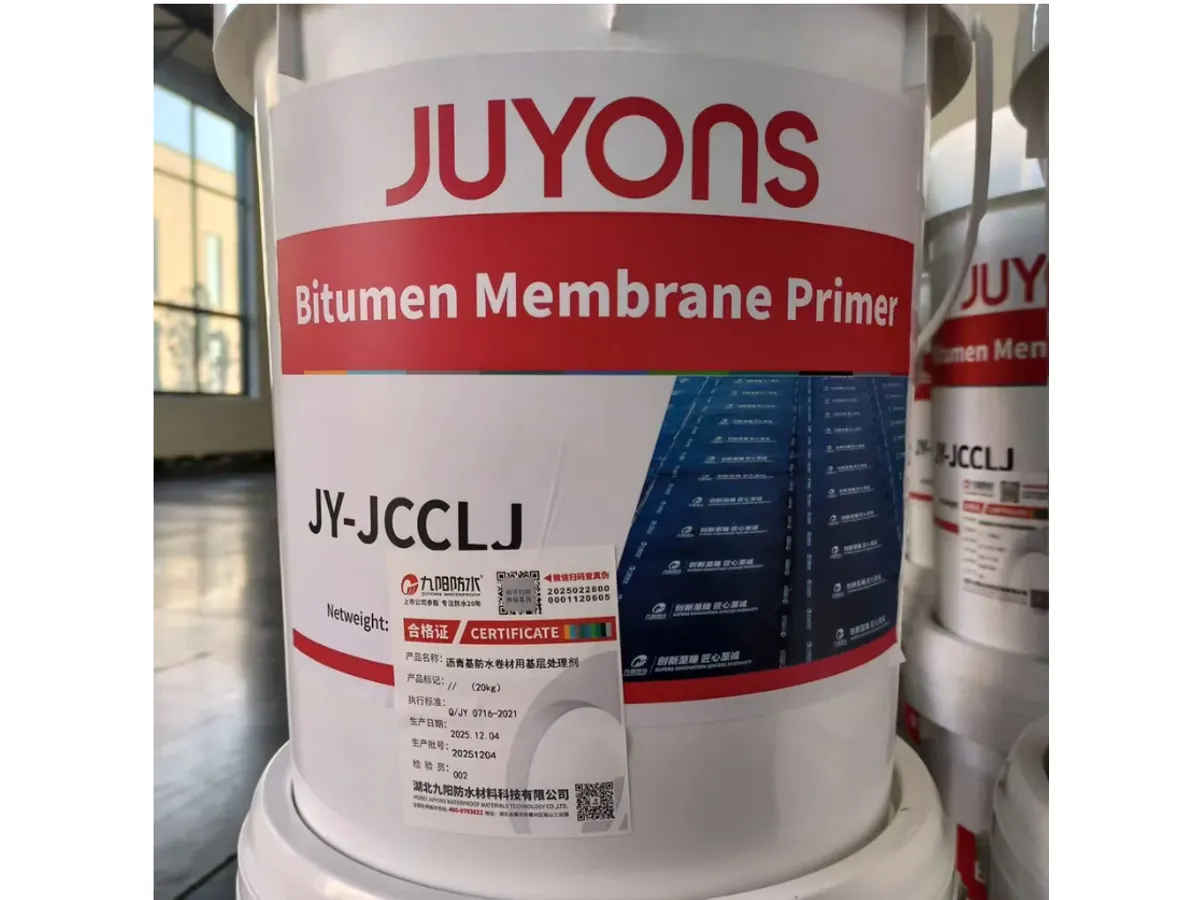
K11 Polymer Cement Waterproof Coating (Two-Component)
18 kg/barrelOrder on WhatsAppTZS 155,000perbucket




What sealant tape is
Sealant tape is a strip with its own adhesive or a fabric edge that closes a joint, crack or junction so water cannot get through. Baumerk, a Turkish waterproofing maker, describes the usual self-adhesive type as cold-applied tape on a bitumen or butyl base, faced on one side with aluminium foil or coloured mineral and on the other with adhesive.
On a building site, two families do most of the work. Bitumen flashing tapes are stuck over roof junctions, gutters and pipe joints that stay exposed. Rubber joint tapes are not self-adhesive at all: they are pressed into a liquid waterproofing coat at corners and movement joints, and the coating holds them in place.
Bitumen flashing tape and rubber joint tape compared
The two are not interchangeable, as their data sheets show:
| Bitumen flashing tape (Bostik Flashband) | Rubber joint tape (Mapei Mapeband) | |
|---|---|---|
| Body | resin-modified bitumen mastic with a grey lacquer finish | rubber tape with alkali-resistant fabric edges |
| How it is fixed | its own adhesive, after the release backing is peeled off | pressed into a fresh cementitious coat at least 1 mm thick |
| Service temperature | −10°C to +100°C | −20°C to +60°C |
| Movement | will not take appreciable joint movement once fully bonded | elongation of at least 300% |
| Sizes | 50–600 mm wide in 10 m rolls; also 3.75 m rolls with primer | 120 mm wide in 10 m and 50 m rolls |
| Typical place | flashings, gutters, felt roof joints | wall-floor corners, terrace joints, pipes in wet rooms |
Sources: the Bostik Flashband data sheet, TDS00142, and the Mapei Mapeband data sheet. Flashband weighs 1.6 kg/m², and Bostik gives its grey finish a life of at least 15 years. When the job is a waterproof tape over a roof or gutter joint, this is the family to look at; a roofing felt joint is one of the repairs Bostik names.
How bitumen flashing tape is applied
Bostik’s directions for Flashband, shortened:
- Make the surface sound, clean, dry and free of dust and grease; fill gaps and hollows deeper than 3 mm.
- On porous, rough or dusty surfaces, brush on the Flashband primer and let it dry, but cover it with tape within 24 hours.
- Cut the sealant tape to length, peel back about 50 mm of the release backing and position the strip.
- Pull the backing away steadily as you go, smoothing the tape down by hand without heavy pressure.
- Go over it with a seam roller or a rounded piece of wood to push out air, especially at overlaps and edges.
- Overlap neighbouring strips by at least 25 mm.
The tape goes on at surface temperatures between +5°C and +30°C. Over a joint that moves a little, Bostik lays a strip of release backing 50 mm narrower than the tape along the joint first, so the middle of the tape stays free to stretch.
Joint tape inside a cementitious waterproofing
Mapei lists wall-floor corners, terrace expansion joints and pipes in bathrooms, showers and kitchens as the places for its tape. Its method for its Mapeband waterproof tape is to brush a layer of its cementitious membrane at least 1 mm thick on both sides of the corner, press the fabric edges of the tape into the wet coat with a smooth trowel, and make sure the coating wets both sides of the tape. Across a movement joint on a terrace, the tape is laid in an Ω loop so it can stretch, and joints between lengths of tape are bonded with Mapei’s Adesilex adhesive rather than with a waterproofing product. The full sequence for a wet room is set out in the bathroom waterproofing guide.
The K11 Polymer Cement Waterproof Coating (Two-Component) in stock in Zanzibar is a coating of that cementitious kind, listed by JUYONS for bathrooms, balconies and pools. Its JUYONS documents do not name a joint tape to go with it, so ask the tape maker whether its product is meant for a polymer cement coating.
Where each tape should not go
Bostik warns that Flashband may turn brittle if it is enclosed in a cementitious mix, so bitumen sealant tape does not belong under screed, render or a tile bed. The same data sheet keeps it away from silicone sealants, flexible PVC and vinyl, from regular contact with solvents and oils, and from places that are walked on or driven over. Mapeband, on the other hand, is made to sit inside cement: its fabric edging is alkali-resistant, and Mapei rates the tape for −20°C to +60°C in use.
What to check when you buy
- Base. Bitumen, butyl or rubber: the first two stick on, rubber tape is embedded in a coating.
- Face. Foil or a lacquer finish for surfaces left exposed to sun; fabric edges for tape that goes under a coating.
- Width. Wide enough to cover the joint with room on both sides: Flashband comes from 50 mm to 600 mm, Mapeband at 120 mm.
- Temperature range. The data sheet should give both the range for laying and the range in service.
- Primer. Check whether the sealant tape needs one on concrete, block or brick, and buy it with the roll.
- Movement. For a joint that opens and closes, look for an elongation figure or a method for movement joints in the data sheet.
Questions
What is a waterproofing tape?
A strip that seals a joint or gap against water. Baumerk describes the common self-adhesive kind as cold-applied, made on a bitumen or butyl base and faced on one side with aluminium foil or coloured mineral; rubber tapes with fabric edges are a second kind, laid into liquid waterproofing.
What is waterproofing tape used for?
Bostik lists repairing lead flashing, sealing valley gutters, mending leaking gutters and downpipes and repairing felt joints on flat roofs for its Flashband. Mapei uses its Mapeband tape at wall-floor corners, expansion joints on terraces and around pipes in bathrooms, under a cementitious coating.