













































































































Aluminium doors: types, glass and finishes
Published · Updated
Aluminium doors are extruded alloy frames filled with glass or panels, hung on hinges, a pivot or a sliding track. For coastal sites and offshore islands, New Zealand's building research body BRANZ sets a minimum anodising thickness of 25 micrometres. Kitovu does not make or sell these doors.
In stock in Zanzibar
See all 11 products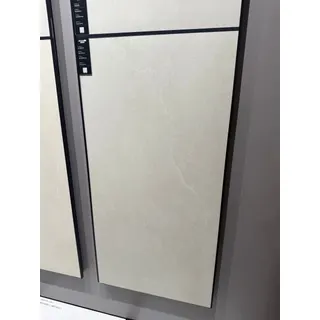
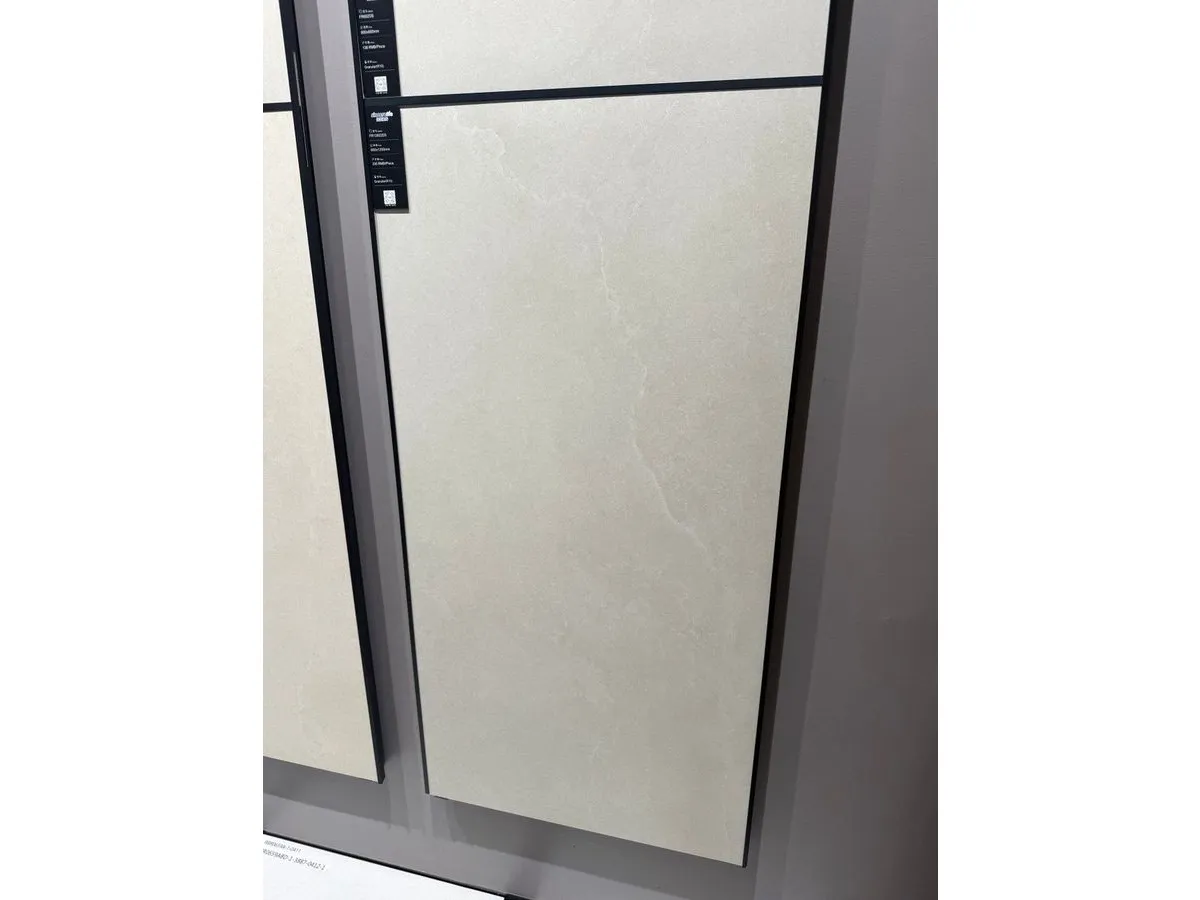
Beige Porcelain Tile 1200x600 mm, Matt Anti-Slip R10
1200 × 600 mmR10Order on WhatsAppTZS 49,680pertile
K11 Polymer Cement Waterproof Coating (Two-Component)
18 kg/barrelOrder on WhatsAppTZS 155,000perbucket




What aluminium doors are made of
An aluminium door has three parts: an extruded alloy frame, an infill of glass or a solid panel, and the hardware that lets it swing or slide. The frame is where alu doors differ most. BRANZ, New Zealand’s building research organisation, describes AA6060-T5 as a general-purpose aluminium-magnesium-silicon extrusion alloy with very good corrosion resistance, used there in window frame parts for over 50 years (BRANZ Bulletin 634, Finishing aluminium). Some door makers use the related 6063-T5 instead, as the bathroom range below shows, and both are sold as aluminium for doors.
Bare extrusions are rarely left as they are. The same bulletin names powder coating as the most common finish for building aluminium, with anodising as the main alternative. Both matter more than the colour you choose, as the section on coastal sites shows.
Types of aluminium doors
The opening type decides how much wall space the door needs and what hardware wears out first. Modern aluminium doors come in four main movements:
| Type | How it opens | Hardware that carries the load | Typical place |
|---|---|---|---|
| Hinged (single or double) | swings on side hinges, inward or outward | hinges, lock, handle | entrances, bedrooms, bathrooms |
| Sliding | panels run past each other on a track | rollers and bottom track | patios, balconies, small bathrooms |
| Folding (bi-fold) | panels fold together like a concertina | top or bottom track, hinges between panels | wide openings to a terrace |
| Pivot | turns on a pin set in from the edge | floor and head pivots | large front doors |
Aluminium sliding doors save floor space because nothing swings into the room; the track and rollers carry the full weight of each panel, so they are the parts to inspect and keep clean. A hinged door needs a clear arc in front of it, yet its hinges and lock are simpler to replace.
Aluminium and glass doors
Most aluminium glass doors are glazed full height or in an upper panel, and the glass is the heaviest part. Pilkington, the glass manufacturer, notes that its toughened glass breaks into small fragments with blunt edges, which is why safety glass rather than ordinary float glass belongs in a door (Pilkington Toughened).
Glass for aluminium doors is chosen on three points: safety (toughened or laminated), privacy (clear, frosted or patterned) and thickness, which must suit the profile’s glazing pocket. Ask the fabricator which glass the frame was designed for before you change it.
Aluminium doors for bathroom and kitchen
An aluminium door for a bathroom avoids the swelling that steam causes in timber, and frosted glass gives privacy without blocking light. One manufacturer’s specification shows what to look for: TOSTEM, the door brand of the LIXIL group, lists 6063-T5 frames with a wall thickness of 1.2–1.8 mm, 8–10 mm tempered or laminated glass, EPDM rubber gaskets and stainless steel screws for its aluminium bathroom doors (TOSTEM guide to aluminium bathroom doors). Use those figures as a benchmark when comparing quotes for an aluminium washroom door.
Aluminium kitchen doors face grease and cooking steam rather than standing water. BRANZ warns against abrasive cleaners and solvents on coated aluminium, so a greasy kitchen frame should be cleaned with a neutral detergent. A sliding panel suits a narrow kitchen entrance where a swinging leaf would block the worktop.
What to check when you buy
For a simple aluminium door to a store room or a new aluminium door at the main entrance, ask for these points in writing:
- The alloy and temper of the profile, for example 6063-T5 or 6060-T5.
- The wall thickness of the frame in millimetres; the TOSTEM range above uses 1.2–1.8 mm.
- The finish and its thickness: anodising class in micrometres, or the powder coating specification.
- The glass type and thickness, and whether it is toughened or laminated.
- Gaskets and screws: EPDM rubber seals and stainless steel or aluminium fixings, as BRANZ advises against copper, lead or unprotected mild steel in contact with aluminium.
- The lock: an aluminium door lock fits the narrow frame section, so check it before the frame is cut; see our page on door locks.
- How the gap between frame and wall will be sealed; our page on door sealant covers the products used.
Aluminium doors by the sea: finish and care in Zanzibar
Salt in the air is the main threat to an aluminium frame on an island. BRANZ ties the finish to distance from the sea. For anodised frames on coasts with a high risk of wind-blown sea spray, within 500 m of the sea, or on offshore islands, its table sets a minimum of 25 micrometres (class AA25), against 12 micrometres inland. For powder-coated frames within 50 m of the sea or on offshore islands, it recommends a high-durability powder conforming to AAMA 2604, and a fluoropolymer coating to AAMA 2605 on beachfronts with breaking surf.
Installation matters as much. The bulletin advises isolating aluminium from concrete with an underlay or a bituminous coating, washing off mortar and cement plaster splashes immediately, and keeping the factory film on the frame until the building is nearly finished. Powder coating resists cement mortar better than anodising, but scraping dried mortar off damages it.
Cleaning keeps salt from building up. BRANZ suggests washing anodised and powder-coated frames with a neutral detergent every 3 months in marine areas, against every 6 months in rural ones, and as often as the glass.
| Site | Anodising, minimum | Powder coating | Washing |
|---|---|---|---|
| Inland, little sea spray | 12 µm | extra-durable (AAMA 2603) | every 6 months in rural areas |
| Within 500 m of the sea, offshore islands | 25 µm (AA25) | high-durability (AAMA 2604) within 50 m or on islands | every 3 months |
| Beachfront with breaking surf | 25 µm | fluoropolymer (AAMA 2605) | every 3 months |
Source: BRANZ Bulletin 634, tables 1 and 2 and section 6.2.
Price and where to get them
Aluminium doors are made to order, so the price depends on the opening size, the profile series, the glass and the finish class rather than on a catalogue figure. Kitovu does not make, sell or fit aluminium doors, and this page has no price table. If you are comparing materials for a doorway, our pages on wooden doors and PVC doors set out what each one is made of. Kitovu sells building materials from stock in Zanzibar.
Questions
Why are aluminium doors used in bathrooms?
The frame is a coated aluminium alloy and the infill is usually glass, so there is no timber to swell in steam. TOSTEM, for example, pairs 6063-T5 frames with 8–10 mm tempered or laminated glass and EPDM gaskets in its bathroom range.