













































































































PVC ceiling boards and panels
Published · Updated
A PVC ceiling board is a long, hollow plastic strip with a tongue on one edge and a groove on the other, clicked together and fixed to a frame. UK maker Beplas makes its ceiling panel 250 mm wide, 3 to 6 m long and 10 mm thick, and rates it for use up to 60°C.
In stock in Zanzibar
See all 11 products
K11 Polymer Cement Waterproof Coating (Two-Component)
18 kg/barrelOrder on WhatsAppTZS 155,000perbucket

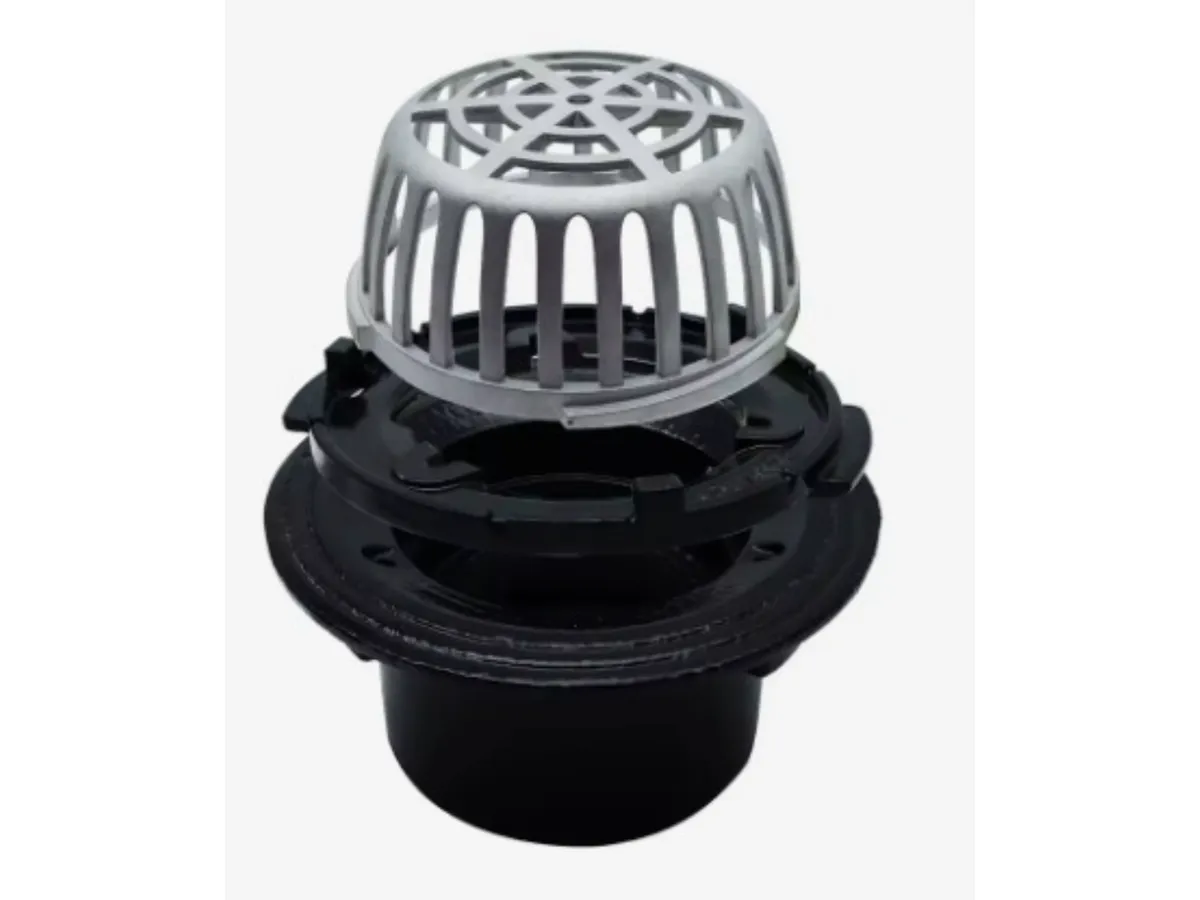
Flat Roof Drain with Dome Strainer for 110 mm Pipe
For 110 mm pipeOrder on WhatsAppTZS 159,900perpiece



What a PVC ceiling board is
A PVC ceiling board is not a board in the sense of a gypsum sheet. It is a strip of rigid polyvinyl chloride with hollow cells inside, made so that each strip locks into the next. The Beplas Premier Ceiling Panel data sheet describes it as an open-cell tongue-and-groove panel in PVC, for walls and ceilings where hygiene and cleaning matter.
A Chinese ceiling supplier, seyibm.com, describes how such panels are made: PVC resin with stabilisers is compounded, extruded at high temperature, then covered with a laminated film that is printed for colour or wood grain and cut to length.
PVC ceiling panel sizes
| Product | Width | Length | Thickness |
|---|---|---|---|
| Beplas Premier Ceiling Panel | 250 mm | 3–6 m | 10 mm |
| Mada Gypsum, typical sizes | 200–300 mm | 2.4–6 m | 6–10 mm |
| seyibm.com, standard range | — | — | 5–12 mm |
The length matters more than it seems. A strip long enough to cross the room in one piece leaves no end joints in the middle of the ceiling; ask for the length that matches your room before you order the PVC ceiling boards.
PVC ceiling or gypsum board ceiling
| PVC ceiling panels | Gypsum board ceiling | |
|---|---|---|
| Material | PVC strips with hollow cells | gypsum core between paper liners |
| Damp rooms | Beplas: impervious to moisture, will not rot or support mould | needs a moisture-resistant board, says Knauf |
| Heat | Beplas: highest application temperature 60°C | — |
| Fire class | Beplas: EN 13501-1 B-s3, d0 | Knauf fire boards for rated systems |
Sources: Beplas data sheet; Knauf plasterboard brochure, described on our gypsum board page.
Neither column makes one material better for every room. Beplas designs its panels for rooms that must be cleaned often; the Knauf range adds fire-rated board systems that a PVC ceiling does not replace.
Heat and movement
PVC moves with temperature. Beplas gives a thermal expansion of 0.06 mm per metre per °C, so a 6 m panel grows by about 11 mm when it warms by 30°C — our calculation from the data sheet. The same sheet lists a Vicat softening point of 83°C and a highest application temperature of 60°C. Mada Gypsum adds that PVC ceilings are not suitable near open flames or direct high heat.
In practice this means PVC strips need the end gaps and trims that their maker specifies, and lamps that run hot should be checked against the 60°C limit before they are set into a panel.
Fixing PVC ceiling panels
Mada Gypsum’s outline of the work runs in five steps:
- Measure the ceiling and mark out the layout.
- Fix a frame of timber or metal, depending on the ceiling type.
- Fix the PVC ceiling boards with screws or clips.
- Cover the joints and edges with PVC strips or matching trims.
- Clean the surface after installation.
What to check when you buy PVC ceiling boards
- Width, length and thickness of each strip, in millimetres and metres.
- Finish and film — matt, gloss or printed; the film is what you see.
- Trims and corners in the same colour, sold for the same panel.
- Fire classification on the data sheet, if the room needs one.
- Temperature limit, especially above kitchens and near light fittings.
PVC ceiling in Zanzibar
Kitovu sells from stock in Zanzibar, and PVC ceiling boards are not among its products. Listed prices for gypsum ceiling boards are on the gypsum board price page; for decorative edges of a board ceiling, see cornice.
Questions
What is a PVC ceiling?
A ceiling finished with panels of polyvinyl chloride (PVC): long hollow strips that join with a tongue and groove and are fixed to a timber or metal frame, instead of gypsum boards.
How long does a PVC ceiling last?
Supplier Mada Gypsum gives 10 to 20 years for PVC panels installed correctly indoors, depending on humidity, temperature, the panel type and cleaning. That is the supplier's statement, not a test result.