




















Floor drains and floor traps for bathrooms and wet areas
Published · Updated
A floor drain is an outlet set into a floor with a grating on top and a trap below. The trap holds a pocket of water that blocks sewer gas and insects; the Indian building guide Gharpedia gives a minimum water-seal depth of 50 mm. Floor traps are made in PVC, uPVC and cast iron.
In stock in Zanzibar
See all 11 products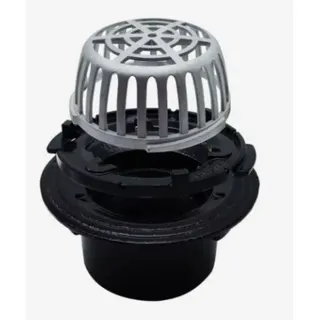
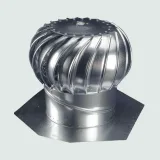
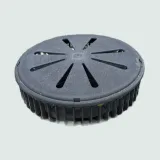
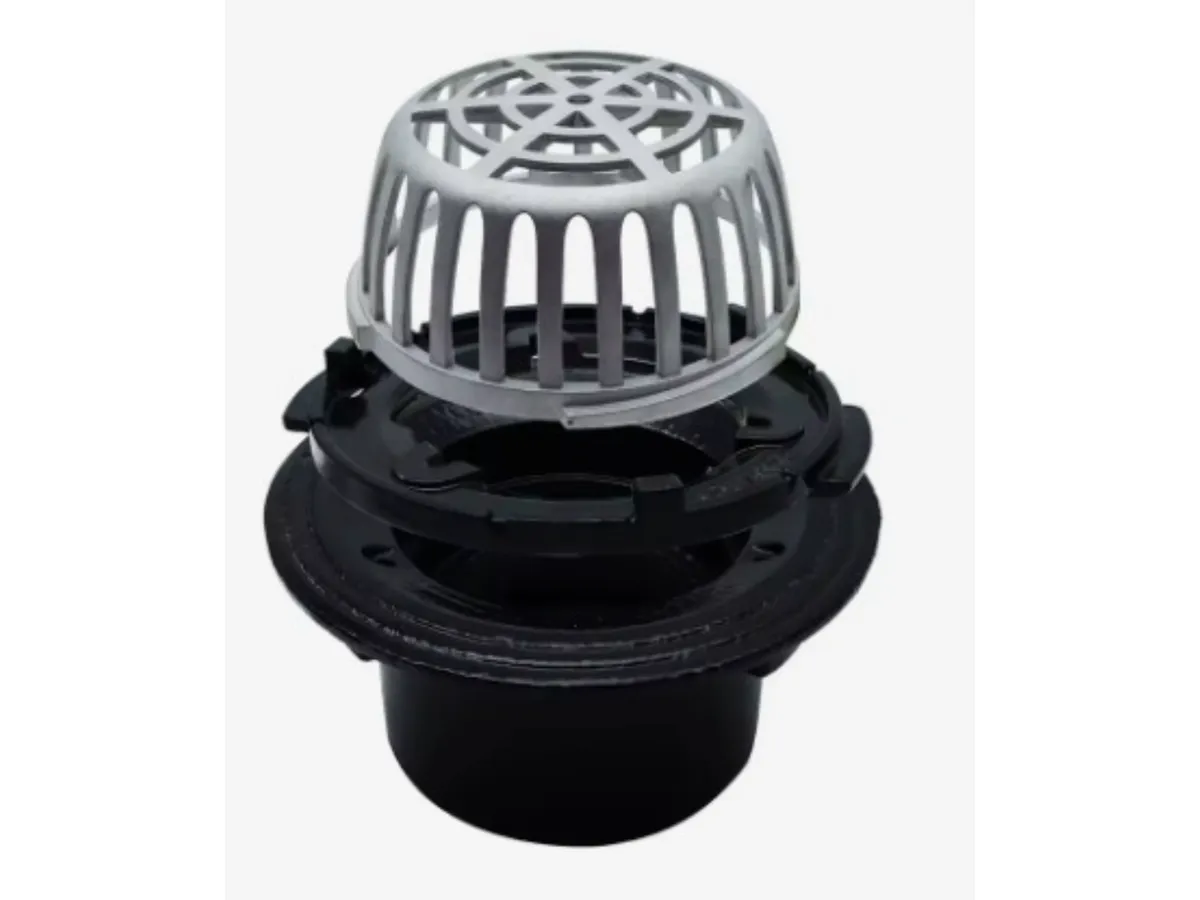
Flat Roof Drain with Dome Strainer for 110 mm Pipe
For 110 mm pipeOutlet for flat roofs and terraces, with a dome strainer, for 110 mm pipe.
Order on WhatsAppTZS 159,900perpiece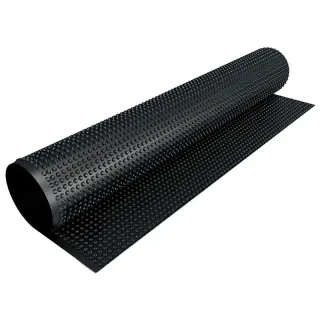
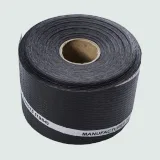
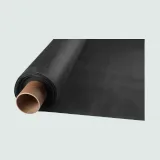
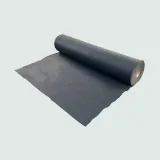
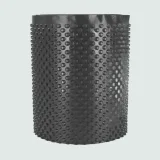
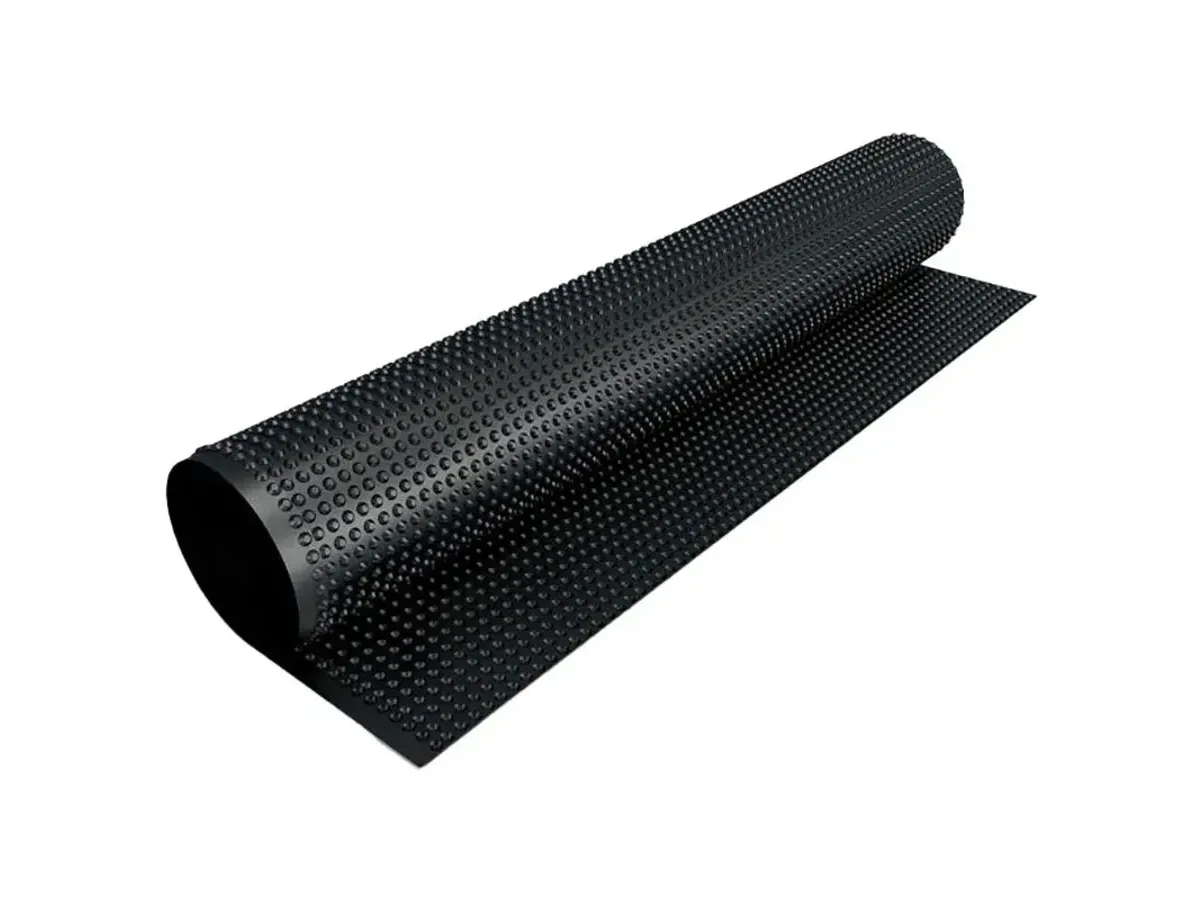
Dimple Drainage Membrane 8 mm with Geotextile (HDPE Drainage Board)
Studded membrane that leads water away from foundation walls.
Order on WhatsAppTZS 328,000perroll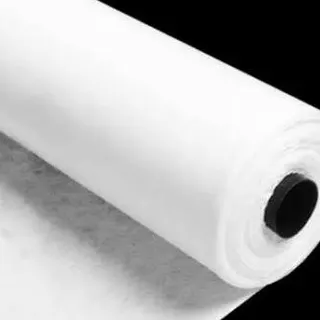
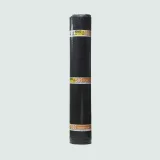
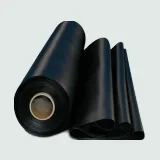
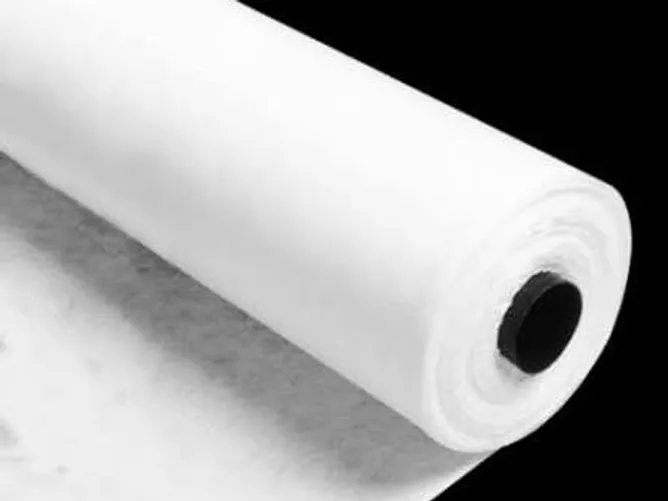
Non-Woven Needle-Punched Polypropylene Geotextile 200 g/m²
200 g/m²Wrap for drainage gravel: it lets water through and keeps soil out.
Order on WhatsAppTZS 526,000perroll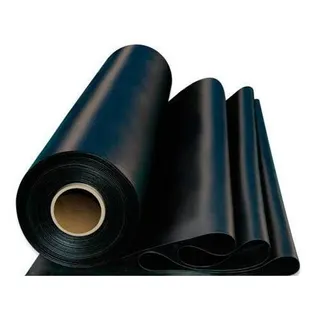
What a floor drain is
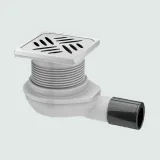
A floor drain is a drain in the floor of a bathroom, shower, kitchen, laundry, balcony or utility room that takes water off the surface and into the waste pipe. It has three parts: a grating or strainer flush with the tiles, a body set into the slab, and a trap — either built in or fitted below — before the outlet pipe.
Any floor that is washed down or gets wet needs a point where the water can leave. Drain flooring is laid to fall towards that point, so the drain is the lowest point of the room.
The floor trap and its water seal
A floor drain trap is what separates the drain from an open hole. According to Gharpedia, a trap keeps a small body of water inside its bend; that water seal stops foul gases, insects and vermin from the sewer reaching the room, whether water is flowing or not. Gharpedia sets the minimum seal depth at 50 mm.
The seal can disappear. A floor trap in a room that is rarely used loses its water to evaporation, and the smell returns. Gharpedia gives two remedies: pour water in from time to time, or connect a basin waste to the trap so it refills each time the basin is used.
The same source calls badly designed and poorly cast floor traps a major source of leaks, notes that many have no water seal at all, and recommends deep-seal traps with multi-inlet fittings that take a basin waste.
Types of floor drain
| Type | What it is | Where it is used |
|---|---|---|
| PVC or uPVC floor trap | plastic body with a trap and a removable grating (Gharpedia) | bathrooms, wash areas, kitchens in houses |
| Cast iron floor drain | heavy body, often with an anchor flange and membrane clamp (Watts) | commercial floors, plant rooms, heavy-duty areas |
| Shower drain, point | a single round or square grating in the shower area | showers with a floor laid to one point |
| Shower drain, linear | a long narrow channel with a slot or bar grating | walk-in showers with a floor laid to one edge |
| Floor sink | a deep receptor for indirect waste, listed separately from floor drains in the Arcat drainage catalogue | commercial kitchens, equipment drains |
Gharpedia notes that PVC, uPVC and cast iron floor traps come in many shapes, sizes and outlet arrangements. A floor sink trap sits under a floor sink, which receives indirect waste from equipment rather than water from a washed floor.
Strainers and gratings
The grating keeps hair, soap and debris out of the trap and stops insects coming up from the drain. As an example of size, Gharpedia describes a common Indian floor trap with a 95 mm grating and 8 mm holes.
Floor drain strainers can be adjustable in height so the grating sits exactly at tile level, as on the Watts FD-100-FC. Watts makes its FD-100-FC strainer in nickel bronze and calls it heel-proof, meaning the openings are narrow enough that shoe heels do not catch in them.
Floor drains in a waterproofed floor
In a bathroom or wet room, the drain is a hole through the waterproofing layer. The membrane or coating on the floor has to be joined to the drain body, not stopped short of it. Commercial floor drains use a clamping collar for this: the Watts FD-100-FC pairs a reversible clamping collar with a surface membrane clamp, and its weep holes catch water that seeps along the membrane and lead it into the drain.
For the coating side of the job, see bathroom waterproofing and the K11 waterproof coating used under tiles.
What to check before you buy
For a floor drain and floor trap in a new bathroom, check these points:
- Water seal depth — at least 50 mm (Gharpedia).
- Outlet size and direction — it must match the waste pipe under the slab.
- Grating size and finish — metal or plastic, to suit the tile layout and the look of a modern floor drain.
- Height adjustment — so the grating can be set flush with the finished floor.
- Membrane connection — a flange or clamping collar if the floor is waterproofed.
- Access — a removable grating and trap insert for cleaning.
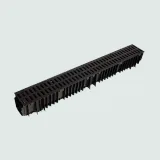
Floor drains carry waste water. Water from a flat roof goes through a roof outlet instead — see roof drains. Outside, rain running off paving is caught by a drainage channel.
Questions
What is a floor trap?
The trapped outlet under a floor grating, also called a nahni trap in India. It keeps a water seal of at least 50 mm, according to Gharpedia, so smells from the drain cannot rise into the room, and its grating stops insects coming up.