




































Flat roof drains, parapet and balcony drains
Published
A roof drain is the outlet that takes rain off a flat roof or terrace into a downpipe. A dome strainer keeps leaves out and a clamp ring seals the waterproofing to the drain body. IKO Commercial, a roofing maker, says a well-drained flat roof should be dry within 24–48 hours after rain.
In stock in Zanzibar
See all 11 products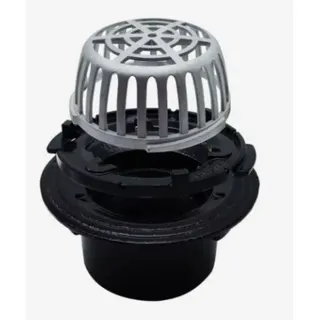
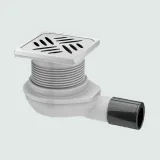
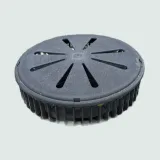
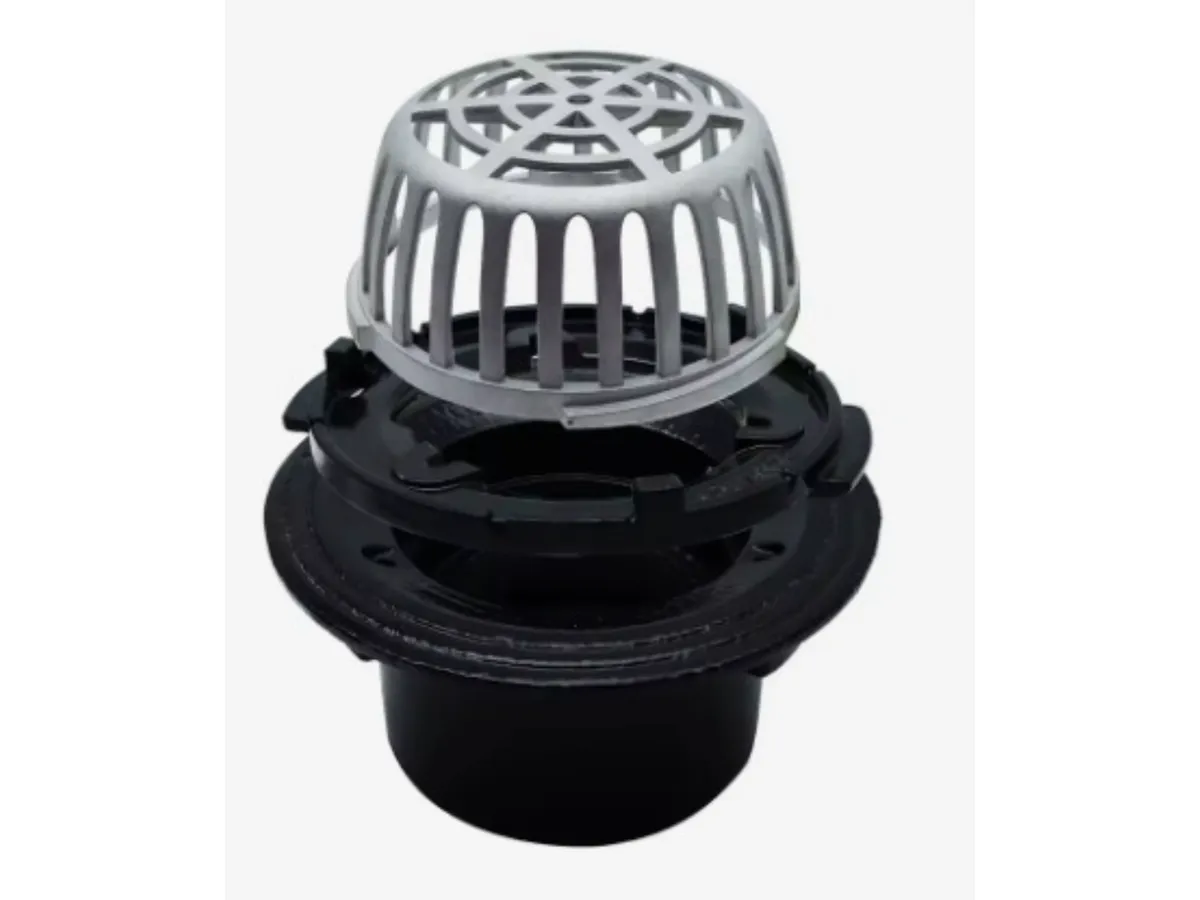
Flat Roof Drain with Dome Strainer for 110 mm Pipe
For 110 mm pipeOutlet for flat roofs and terraces, with a dome strainer, for 110 mm pipe.
Order on WhatsAppTZS 159,900perpiece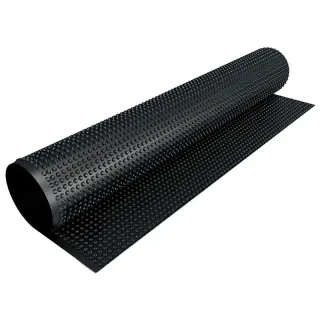
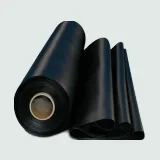
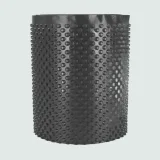
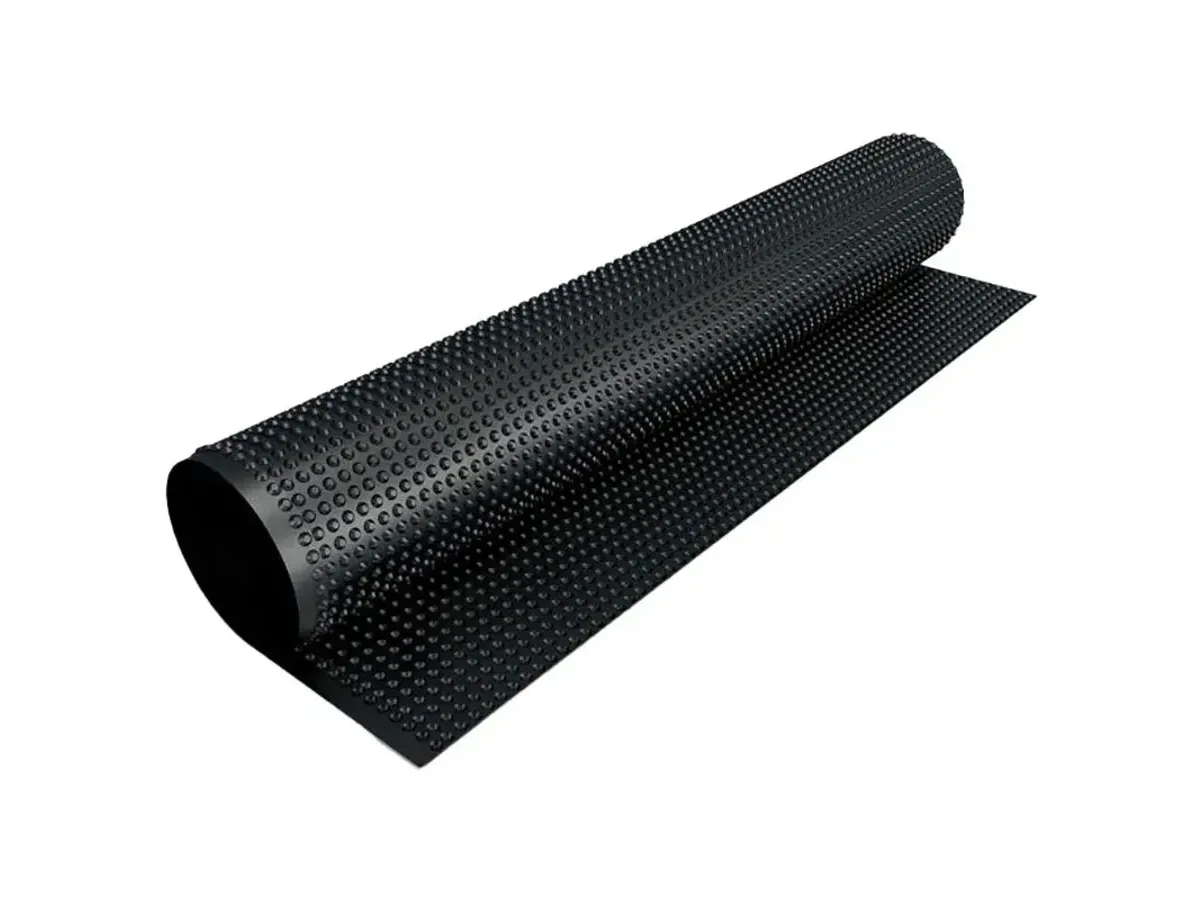
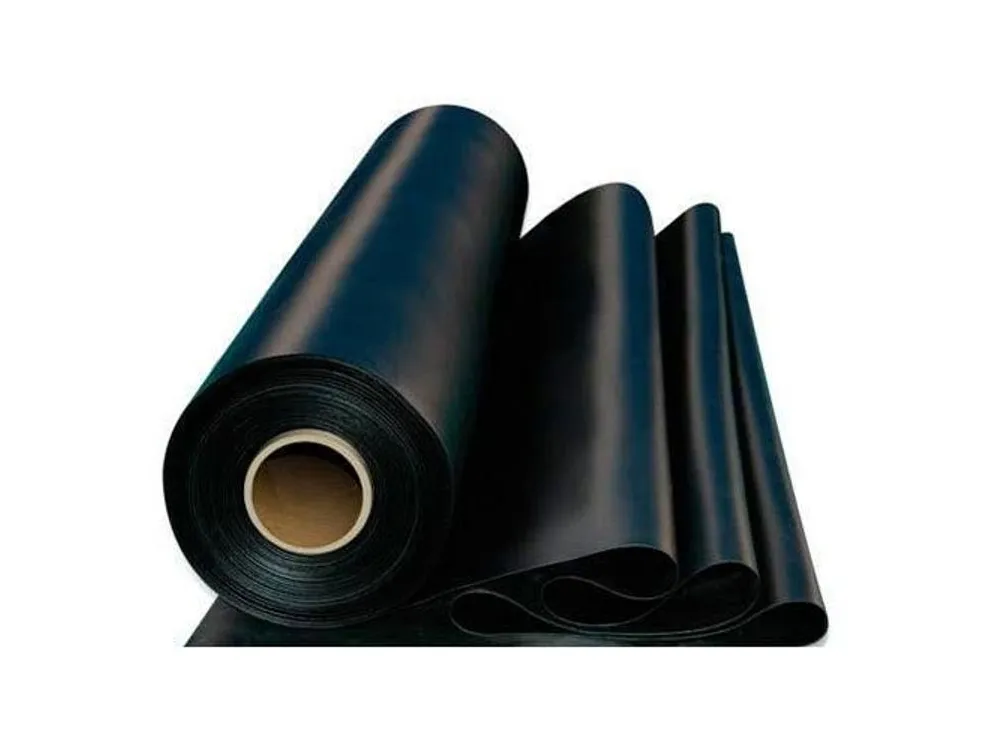
Dimple Drainage Membrane 8 mm with Geotextile (HDPE Drainage Board)
Studded membrane that leads water away from foundation walls.
Order on WhatsAppTZS 328,000perroll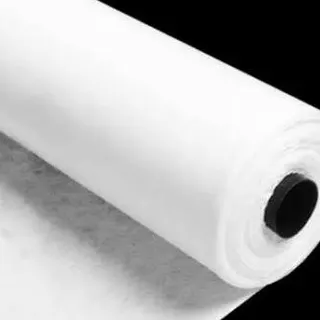
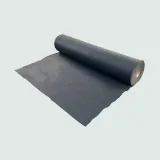
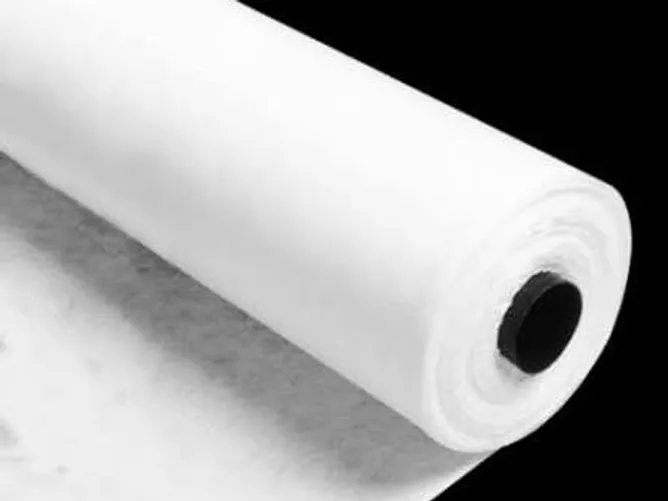
Non-Woven Needle-Punched Polypropylene Geotextile 200 g/m²
200 g/m²Wrap for drainage gravel: it lets water through and keeps soil out.
Order on WhatsAppTZS 526,000perroll
What a flat roof drain is
A pitched roof sheds water into gutters. A flat roof, a roof terrace or a balcony cannot: water has to be collected at low points and taken down through pipes. A flat roof drain is that collection point — a body set into the roof slab, sealed to the waterproofing and connected to a downpipe below. Wet floors inside a building drain through floor drains instead.
An article by the roofing manufacturer IKO Commercial in Waterproof Magazine explains why drains matter. Water left standing on a roof is called ponding. IKO links it to several problems: overflow can push water where it would not normally go, and ponding may void the roofing maker’s warranty.
Parts of a roof drain
Roof drains for flat roofs share the same basic parts, as IKO describes them:
- Dome strainer — a raised grating that lets water in and keeps debris out of the pipe.
- Clamp ring (flashing ring) — presses the roofing membrane onto the drain body so water cannot run under it into the base of the drain.
- Body with flange — the part built into the roof; the waterproofing is laid over its flange.
- Outlet — the spigot that joins the downpipe.
IKO also lists a sump pan as an extra part of some interior drains, and siphonic drains add an air baffle (see below).
Types of roof drain
| Type | Where it goes |
|---|---|
| Interior flat roof drain | a low point in the roof field, outlet straight down |
| Scupper or parapet drain | through or beside a parapet wall at the roof edge, often with a side outlet |
| Balcony drain | outlet for a balcony or terrace; MAG-MIFAB lists a side-outlet version |
| Siphonic roof drain | large roofs; an air baffle keeps air out of the pipework |
| Roof funnel | a funnel in a gutter that leads water into a downpipe |
MAG-MIFAB makes its parapet drain for the junction of the roof surface and the parapet wall. The cast iron version has a flat grate, a membrane clamp and an outlet that turns 90° or 45°. IKO says siphonic systems are generally recommended for roofs of about 150 m² or more.
How much drainage a flat roof needs
IKO gives two working rules. First, a roof with positive drainage should shed its water within 24–48 hours after rain stops; water standing longer means the roof or its drains need checking. Second, every system needs a backup — an overflow drain or scupper — in case of a downpour or a blocked outlet.
Joining the drain to the waterproofing
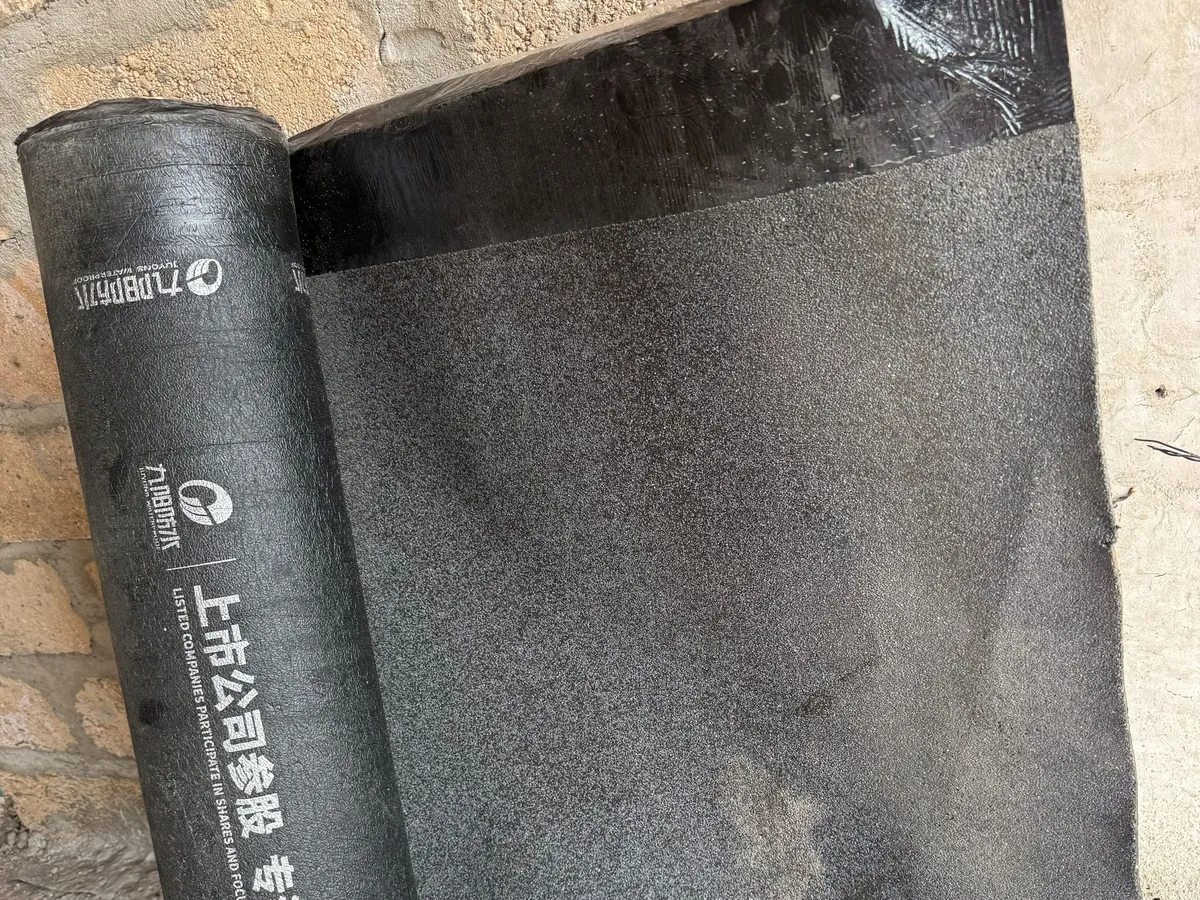
The drain is where the roof’s waterproofing has a hole in it. The membrane or coating is taken over the flange and held by the clamp ring, which IKO describes as the part that stops water leaking into the base of the drain. For the sheet systems laid over a flat roof, see waterproofing membranes.
On green roofs and terraces under paving, a drainage layer such as a dimple drainage membrane carries water across the deck to the drain.
Roof drain for 110 mm pipe in stock in Zanzibar
The Flat Roof Drain with Dome Strainer for 110 mm Pipe is held in stock in Zanzibar; Kitovu sells from stock there. What the supplier’s photos and listing confirm: it is made for a 110 mm pipe; parts — dome strainer cover, fixing ring, main body with a round flange and outlet, and a large sealing gasket on the outlet; body, ring and gasket black, cover silver-grey. The brand, materials, flange size and flow rate are not yet confirmed. Ask on WhatsApp for the price and details.