













































































































Gypsum screws for ceilings and drywall
Published · Updated
A gypsum screw, or drywall screw, is a sharp-pointed screw with a trumpet-shaped head made to fix gypsum board to a frame. Plasterboard maker Technogips Pro uses a 3.5 × 25 mm screw for one layer of 12.5 mm board on metal profiles up to 0.7 mm thick.
In stock in Zanzibar
See all 11 products
K11 Polymer Cement Waterproof Coating (Two-Component)
18 kg/barrelOrder on WhatsAppTZS 155,000perbucket


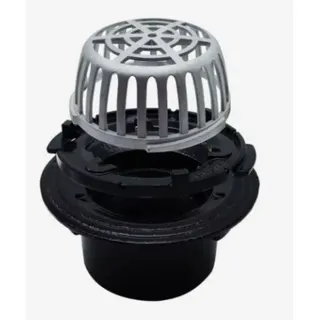
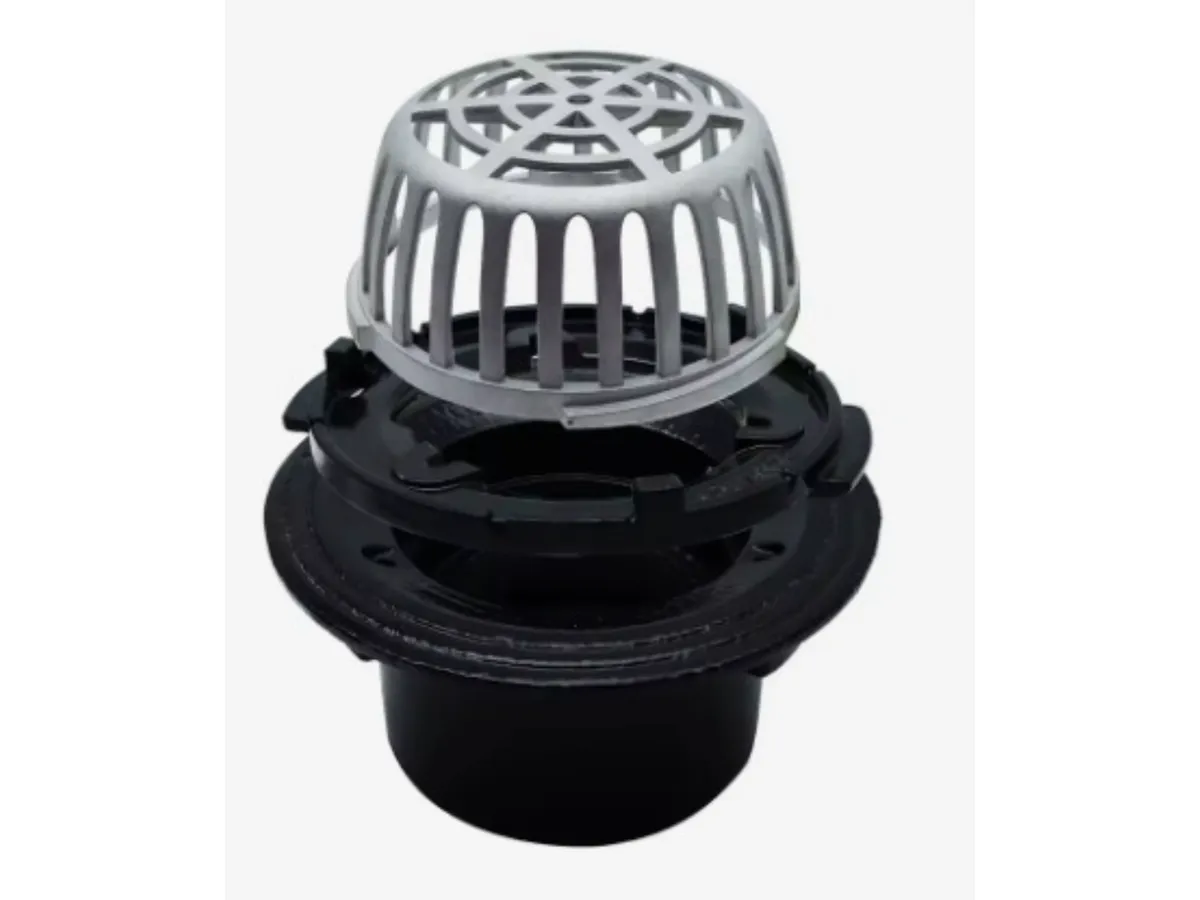
Flat Roof Drain with Dome Strainer for 110 mm Pipe
For 110 mm pipeOrder on WhatsAppTZS 159,900perpiece




What gypsum screws are
A gypsum screw is made for one job: fixing a sheet of gypsum board to its frame. According to plasterboard maker Technogips Pro, its drywall screw has a sharp point for fixing plasterboard to metal profiles with a wall thickness of up to 0.7 mm, and is meant for interior use with standard, moisture-resistant and fire boards.
US fastener supplier AllFasteners sells its drywall screws with a bugle head, a Phillips drive and a black oxide or black phosphate finish. The bugle head is the curved, trumpet-shaped underside of the head.
Fine thread or coarse thread
Drywall screws come with two kinds of thread, and the frame decides which one you need. AllFasteners puts it plainly: coarse thread works best in wood, while fine thread grips better in sheet-metal studs.
| Frame | Screw | Why |
|---|---|---|
| Metal profiles up to 0.7 mm | fine-thread drywall screw, sharp point | sharp point for thin steel (Technogips Pro); fine thread grips sheet metal (AllFasteners) |
| Timber battens | coarse-thread drywall screw | coarse thread works best in wood (AllFasteners) |
| Heavier steel | self-drilling drywall screw with a drill point | made to fasten drywall to cold-formed steel, as US supplier Fasteners Plus lists |
Gypsum screw sizes
The length of a gypsum screw follows the total thickness of board it has to pass through. Technogips Pro gives this table for boards on metal profiles up to 0.7 mm:
| Lining | Board thickness | Screw |
|---|---|---|
| One layer | 12.5 mm | 3.5 × 25 mm |
| Second of two layers | 12.5 mm | 3.5 × 35 mm |
| Second of two layers | 15 mm | 3.5 × 45 mm |
| Third layer | 12.5 or 15 mm | 3.5 × 55 mm |
| Fourth layer | 12.5 or 15 mm | 4.2 × 70 mm |
The first number is the thread diameter, the second the length, both in millimetres.
Drywall screws sold in inches
Some listings for gypsum screws in Tanzanian search results give the length in inches. Converted at 25.4 mm to the inch (our conversion):
| Listed length | In millimetres |
|---|---|
| 1 inch | 25.4 mm |
| 1¼ inch | 31.8 mm |
| 1½ inch | 38.1 mm |
| 2 inch | 50.8 mm |
A 1 inch screw therefore matches the 25 mm size for a single layer of 12.5 mm board in the Technogips Pro table.
How to drive a drywall screw
Technogips Pro sets three rules for its screws:
- Use a drywall screwdriver and hold it at 90° to the board.
- Sink the head 1 mm below the board surface.
- Let the tip of the screw go at least 10 mm into the hollow of the metal profile.
The third rule is the quick check for length: board thickness plus at least 10 mm. For 12.5 mm board that is 22.5 mm or more, so 25 mm is the shortest screw that works (our calculation).
What to check when you buy gypsum screws
- Thread type for the frame: fine for thin metal profiles, coarse for timber.
- Length at least 10 mm longer than all the board layers together.
- Head shape — a bugle head that can sit 1 mm below the surface, as Technogips Pro asks.
- Finish — black oxide or black phosphate in the AllFasteners range, zinc in some Fasteners Plus lines; check the pack.
- Pack count — listings range from packs of 200 to cartons of 5,000 screws, so compare the price per hundred.
Gypsum screws in Zanzibar
Kitovu sells from stock in Zanzibar, and gypsum screws are not among its products. For the boards themselves, see gypsum board types and the gypsum board price list.
Questions
What are the different sizes of drywall screws?
Technogips Pro makes five: 3.5 × 25, 3.5 × 35, 3.5 × 45, 3.5 × 55 and 4.2 × 70 mm. The longer the screw, the more layers of board it passes through before it reaches the metal profile.