













































































































Water pipe: which plastic pipe goes where
Published · Updated
Most new water pipe is plastic, and each kind has its own standard. Under ISO 1452, PVC-U pressure pipe is for cold water up to 25°C; ISO 15874 covers polypropylene for hot and cold water inside buildings; ISO 4427 covers polyethylene mains and service pipes, rated at 20°C.
In stock in Zanzibar
See all 11 products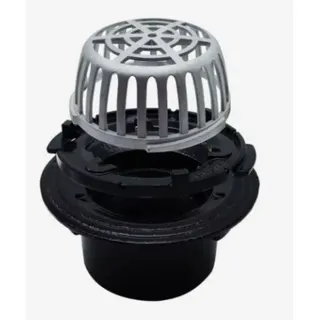
Flat Roof Drain with Dome Strainer for 110 mm Pipe
For 110 mm pipeRoof outlet that connects to a 110 mm drain pipe.
Order on WhatsAppTZS 159,900perpiece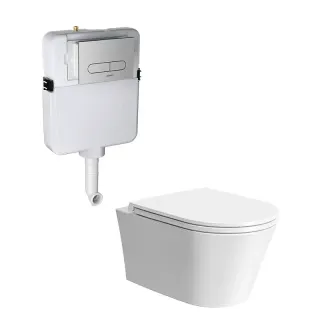
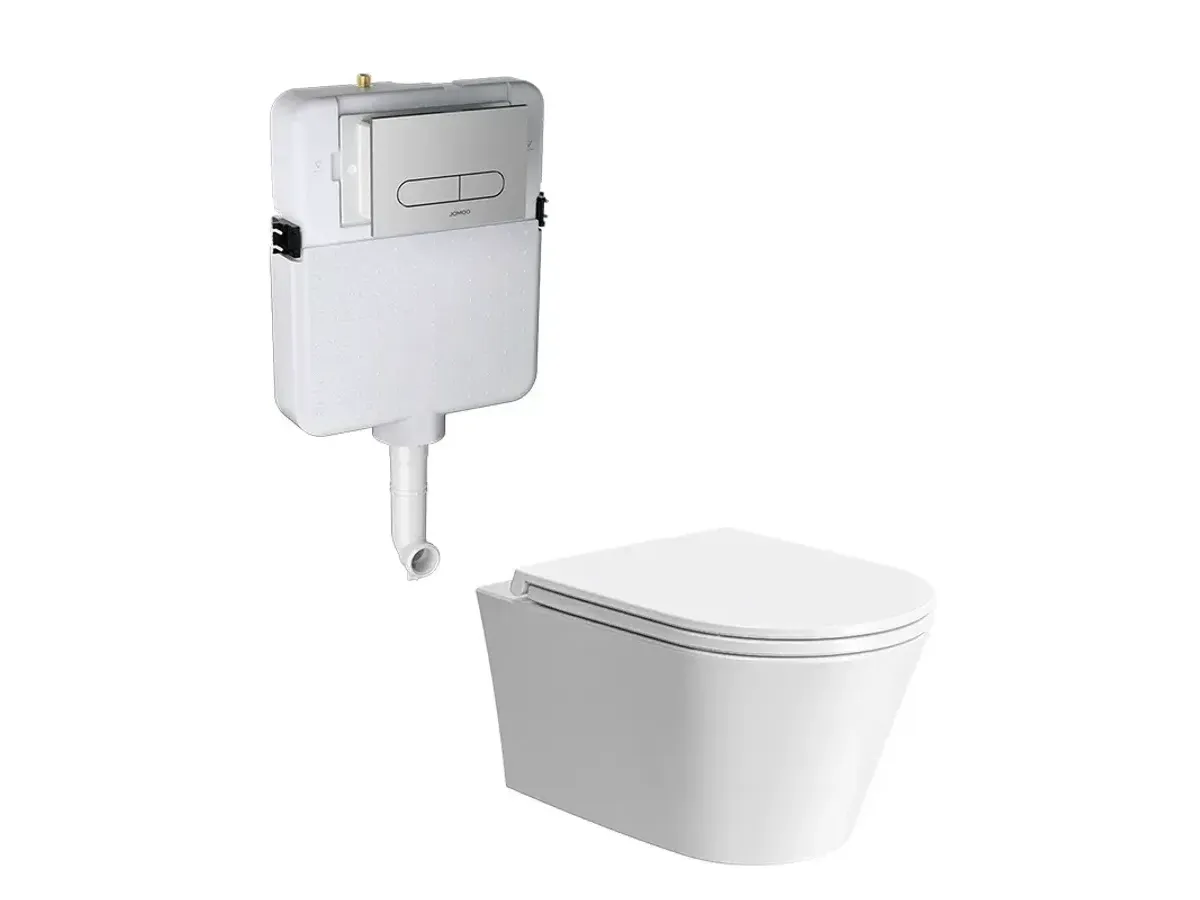
JOMOO Wall-Hung Toilet 02355-00-2, 565 x 375 x 350 mm
565 × 375 × 350 mmOrder on WhatsAppTZS 2,210,000perset
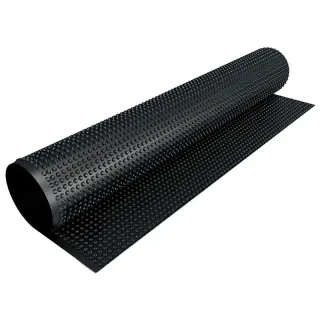

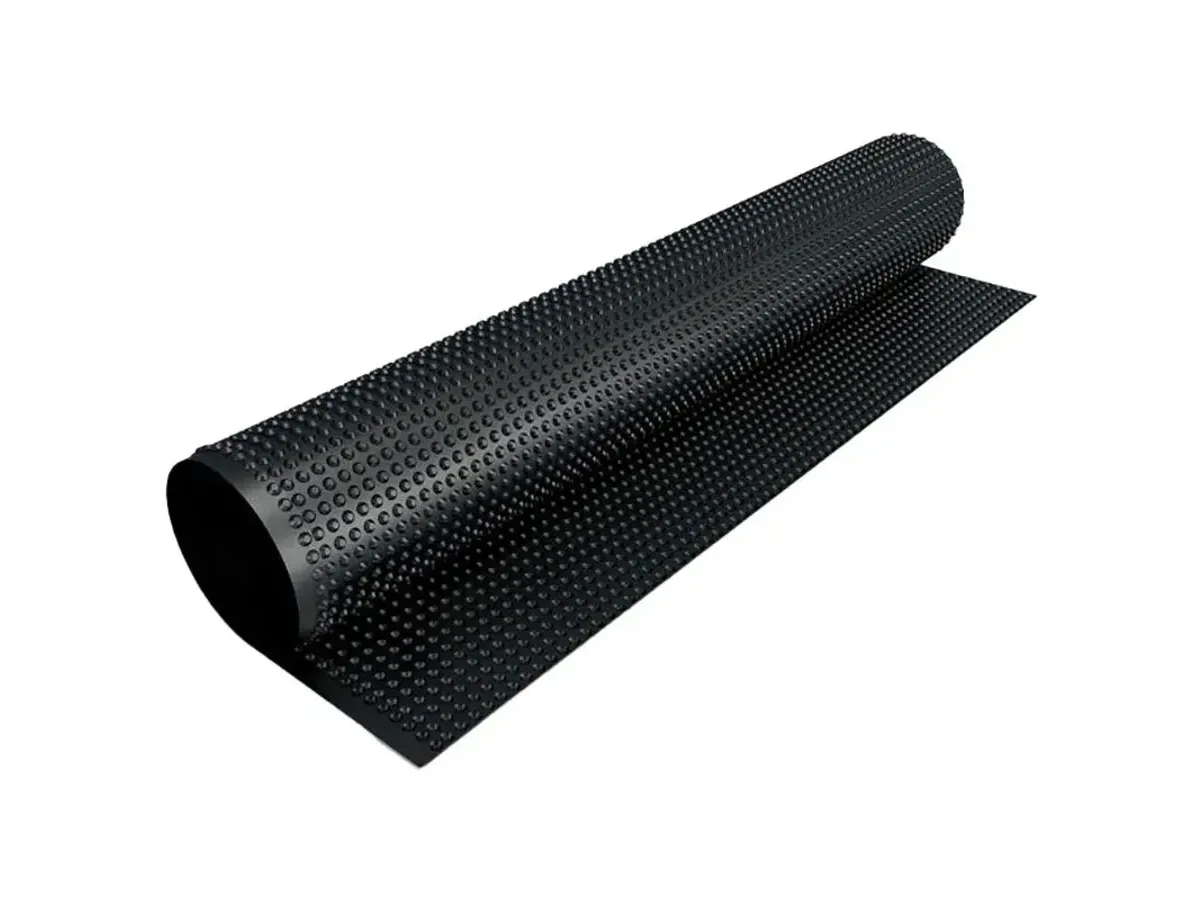
K11 Polymer Cement Waterproof Coating (Two-Component)
18 kg/barrelOrder on WhatsAppTZS 155,000perbucket


What water pipe is made of
A water pipe carries water under pressure from a main, a tank or a pump to the taps of a building. Plastic water pipe comes in three families: unplasticised PVC (PVC-U), polypropylene (PP, sold as PPR) and polyethylene (PE). Each is made to an international standard that says what it may carry and at what temperature, and that scope is the quickest way to choose between them.
Waste and soil pipes are covered on the drainage pipes page, and the trap under each appliance on the P traps and bottle traps page.
Three plastic water pipes compared
| Material | Standard | What the standard covers | Temperature |
|---|---|---|---|
| PVC-U | ISO 1452 | water supply under pressure; drainage and sewerage under pressure | cold water up to 25°C; up to 45°C with reduced pressure |
| PP (PPR) | ISO 15874 | hot and cold water installations within buildings, drinking water or not, and heating | set by class of application |
| PE | ISO 4427 | mains and service pipes, buried or above ground, for drinking and raw water and pressure sewers | rated at 20°C; other temperatures by annex |
Sources: BSI’s summary of BS EN ISO 1452-1:2009, the AFNOR summary of ISO 15874-1:2013 and the preview of ISO 4427-1:2019. Rigid PVC pipes and fittings and PPR pipes and fittings have pages of their own.
How water pipe is sized
Plastic water pipe is named by its outside diameter in millimetres, not by the bore: ISO 4427 defines the nominal outside diameter, dn, in millimetres. The wall is given through the standard dimension ratio, SDR, which the same standard defines as the outside diameter divided by the nominal wall thickness. A lower SDR means a thicker wall for the same diameter. A 32 mm pipe at SDR 11, for example, has a wall of about 2.9 mm (our calculation: 32 ÷ 11).
The pressure the pipe may carry is marked as well. ISO 4427 covers PE systems with a maximum allowable operating pressure of up to 25 bar at its 20°C reference temperature. Read the SDR and the pressure class on the printed line along the pipe before buying.
Hot water
Temperature rules out some water pipe straight away. BS EN ISO 1452-1 limits PVC-U pressure pipe to 25°C at full rating, allows it up to 45°C only with the reduced pressures set in part 2 of the standard, and leaves anything hotter to agreement between maker and user. A line from a water heater or a solar tank therefore needs a pipe made for hot water, such as polypropylene to ISO 15874, whose pressures and temperatures are set by class of application.
Joining water pipe
Each material has its own joint. PVC-U pressure pipe is glued in the small sizes and pushed into rubber-ring sockets in the large ones: Plasco, a Dar es Salaam pipe maker, uses solvent cement for pipes from 20 mm to 75 mm and a rubber ring from 75 mm up. The cement and the steps of a glued joint are on the PVC solvent cement page. Polypropylene and polyethylene are joined by their own systems of fittings, described by their makers.
What to check when you buy
- Material and standard. The printed line on the pipe should name the material and its standard: ISO 1452 or EN 1452 for PVC-U, ISO 15874 for PP, ISO 4427 for PE.
- Use. Cold or hot water, inside the building or in the ground.
- Outside diameter. In millimetres, matching the fittings.
- SDR and pressure. The SDR and pressure class for the pressure in your system.
- Temperature. For hot water, a pipe whose standard covers hot water.