



































































Marble tiles
Published · Updated
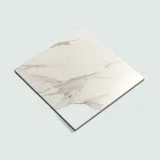
Marble is a metamorphic rock, limestone recrystallised under heat and pressure, made mostly of calcite or dolomite. Art of Marble, an Australian stone supplier, notes that it is sensitive to acids and scratches and should be sealed against stains. Marble tiles therefore need more care than porcelain made to look like marble.
In stock in Zanzibar
See all 11 products
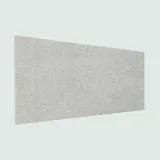
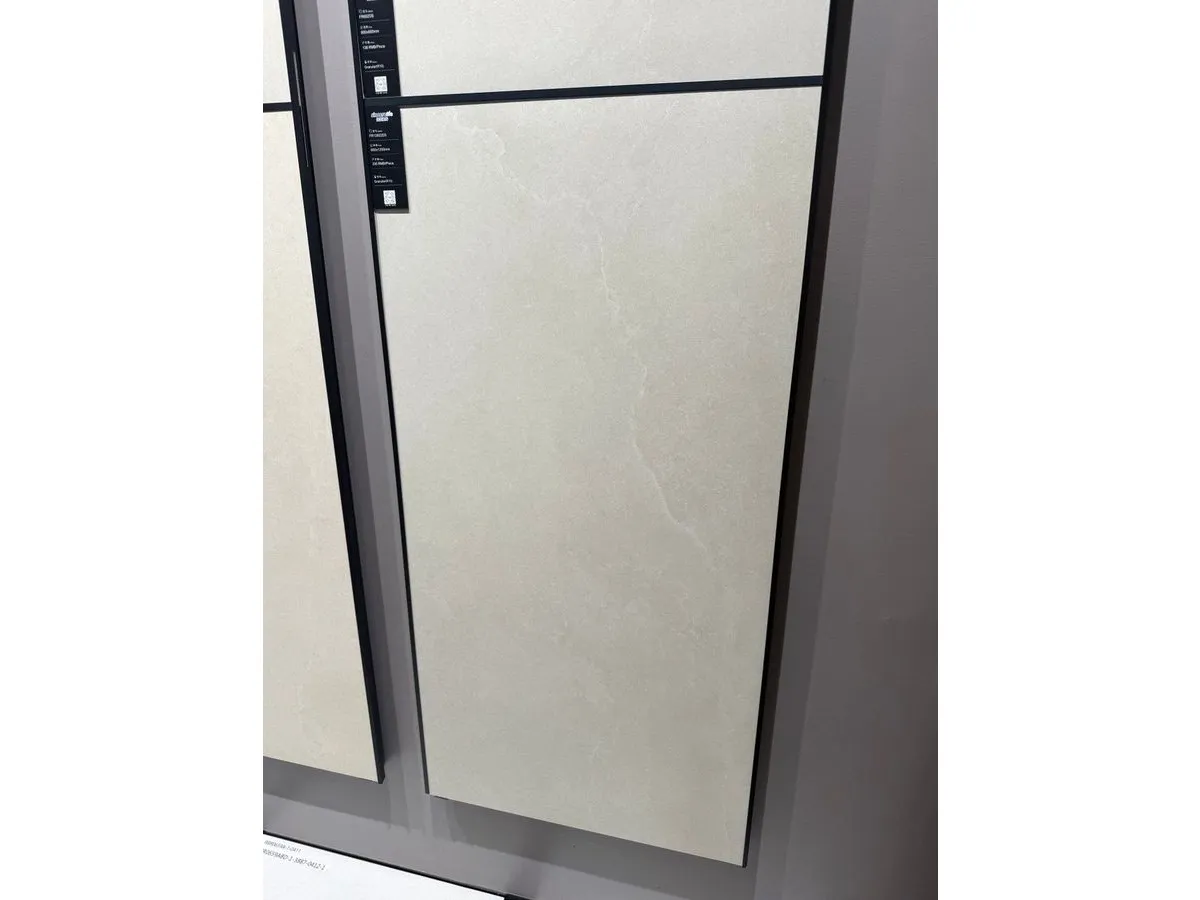
Beige Porcelain Tile 1200x600 mm, Matt Anti-Slip R10
1200 × 600 mmR10Beige 1200 × 600 mm porcelain, matt R10 anti-slip, for floors and walls, wet areas included.
Order on WhatsAppTZS 49,680pertile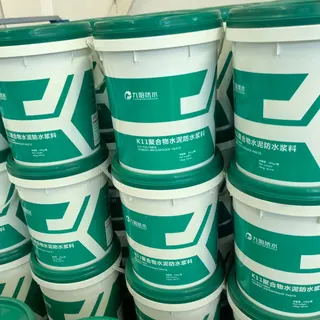
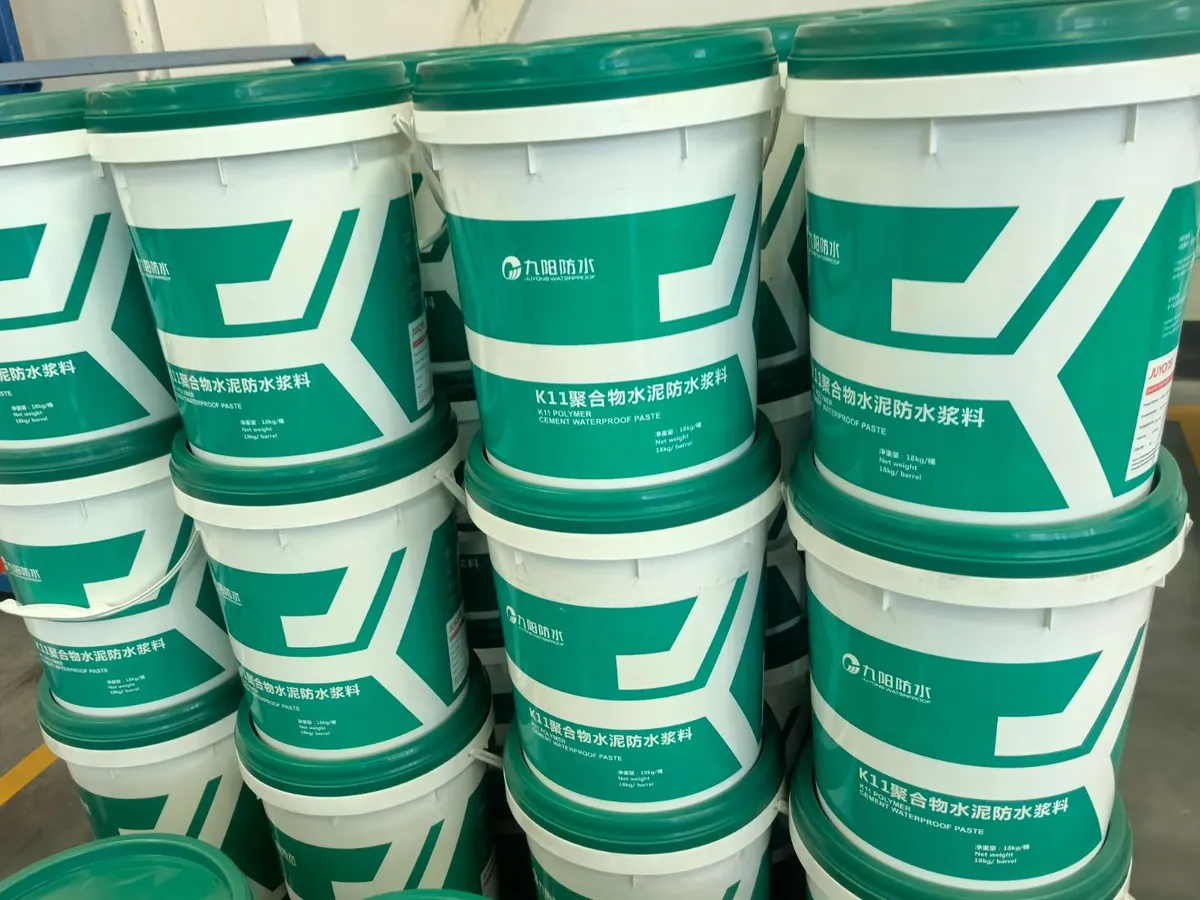
K11 Polymer Cement Waterproof Coating (Two-Component)
18 kg/barrelWaterproof layer for bathroom and kitchen floors that tiles are laid over.
Order on WhatsAppTZS 155,000perbucket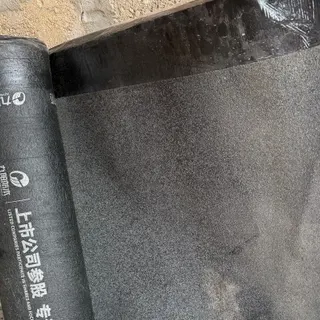
What marble is
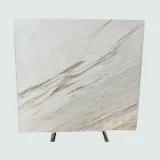
Marble starts as limestone or dolostone. Over millions of years, heat and pressure deep in the earth recrystallise it into a dense stone of interlocking crystals. Art of Marble’s guide to marble stone gives its main minerals as calcite (CaCO₃) or dolomite (CaMg(CO₃)₂), and explains that traces of other minerals colour it: iron oxides towards pink, clay minerals towards grey or green, bituminous matter towards black. Those impurities also draw the veins, so no two slabs are the same.
The same guide names Italy, Spain, China, Greece and Turkey as major sources today.
Types of marble
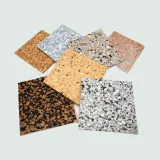
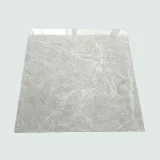
Marble is sold by quarry name and colour. Among the best-known kinds, the same guide names three white Italian stones: Carrara, Calacatta and Statuario. Suppliers such as Tino Stone also sort it by colour — white, beige, grey, green, blue, brown and black. The name tells you the look rather than the performance, so ask the seller for the stone’s origin and see a sample tile from the batch you will buy, since veining varies from slab to slab.
Marble finishes: polished, honed, tumbled
That guide lists three common finishes for the face of a tile:
| Finish | Surface | Where the guide places it |
|---|---|---|
| Polished | high gloss, reflects light | walls, benchtops, areas where shine is wanted |
| Honed | matt, smooth | high-traffic floors, where a less slippery face is needed |
| Tumbled | worn, rounded edges | relaxed, rustic spaces |
Fiorantina, an Italian stone company, adds that honed and leathered (textured) finishes are gaining ground on a polished face. For marble flooring in a kitchen, bathroom or on a veranda, a honed face is the safer choice on wet feet.
Caring for marble tiles
Because marble is a carbonate stone, acids attack it. The Australian supplier describes it as sensitive to acids and scratches, and calls sealing crucial to protect the surface from staining; with proper sealing, it says, the stone resists moisture and stains. Ask the seller which sealer suits the stone you buy and how often the maker says to renew it, and keep acidic spills off a polished face.
Marble or marble-look tiles
Tile and marble are often confused in shops, because many tiles are printed to look like the stone. In Tanzania, CTM lists a “Marble Look” range that includes ceramic tiles of 600 × 600 mm and porcelain of 800 × 800 and 600 × 1200 mm. These are fired clay, not stone: they do not etch with acid and need no sealer, but the veins are printed and repeat across tiles.
Real marble tiles cost more care and give a unique stone; marble-look porcelain gives the look with the maintenance of a tile. The porcelain tiles page explains the dense, low-absorption body these tiles use. PVC marble sheets sold for walls are a third product again — plastic panels, not stone or tile.
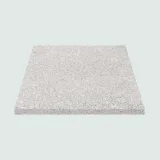
Kitovu does not stock marble. It keeps a stone-look porcelain in Zanzibar, the Beige Porcelain Tile 1200x600 mm, Matt Anti-Slip R10, with a matt, granular face.
Where marble tiles suit
The sources quoted here match finish to place:
- Walls and benchtops — a polished face, where shine is wanted (the Australian guide).
- Busy floors and halls — a honed face, which the same guide places in high-traffic areas that need a less slippery surface.
- Marble tiles in a kitchen or bathroom — Fiorantina describes the stone as central in both rooms; sealing matters most here, where water and food acids reach the stone.
- Patios and façades — the same guide mentions honed or textured faces outdoors; for hard-wearing outdoor stone, compare granite.
Adhesive and grout for natural stone are covered on the tile adhesive and tile grout pages; Sika lists its SikaCeram-650 grout for this stone.