













































































































Wall tiles
Published · Updated
Wall tiles are made to hang, not to be walked on. A typical glazed white-body wall tile absorbs more than 10% of its weight in water, says the Quintessenza data sheet for Cromia26, against 0.5% or less for porcelain. So floor tiles can go on a wall, but wall tiles should not go on a floor.
In stock in Zanzibar
See all 11 products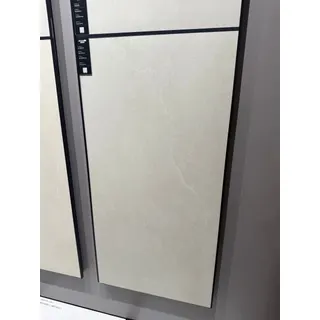
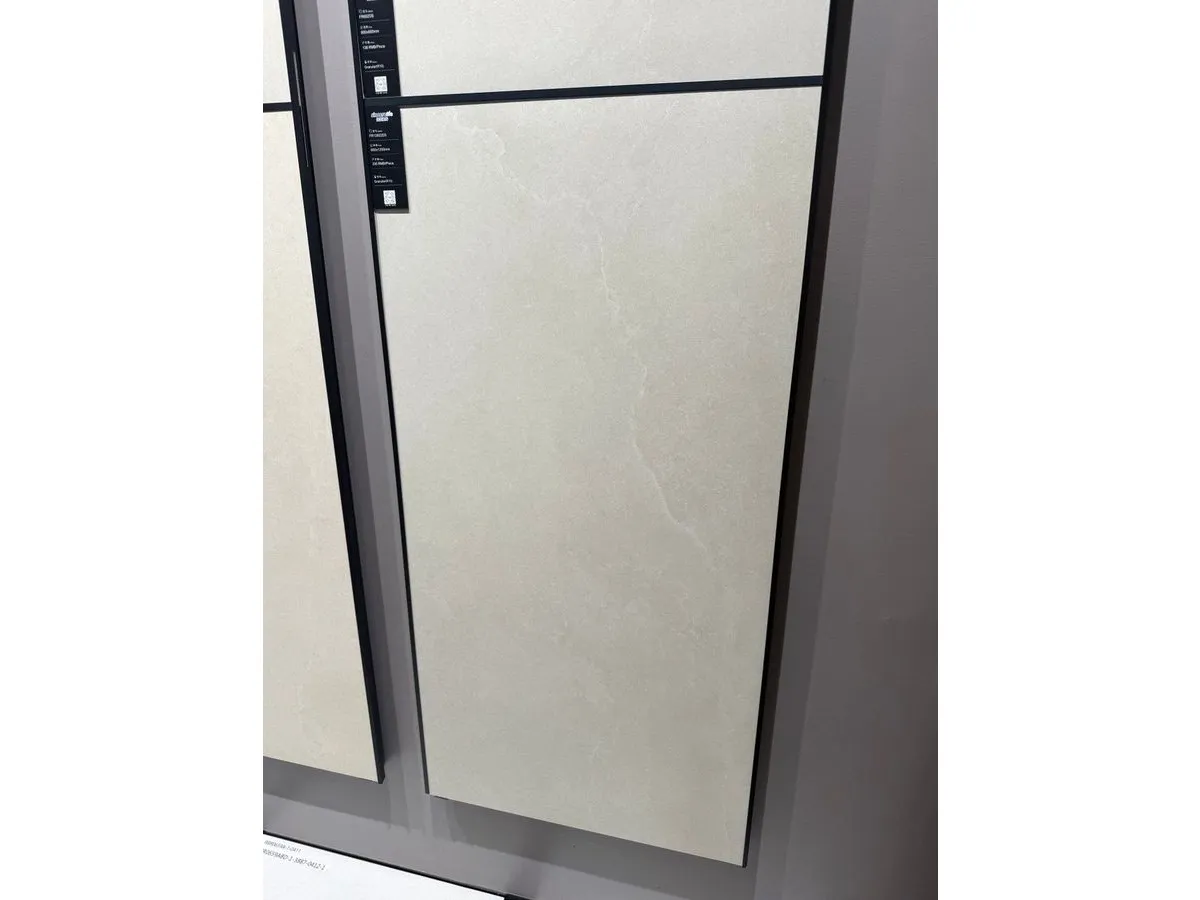
Beige Porcelain Tile 1200x600 mm, Matt Anti-Slip R10
1200 × 600 mmR10Beige 1200 × 600 mm porcelain, matt R10 anti-slip, for floors and walls, wet areas included.
Order on WhatsAppTZS 49,680pertile
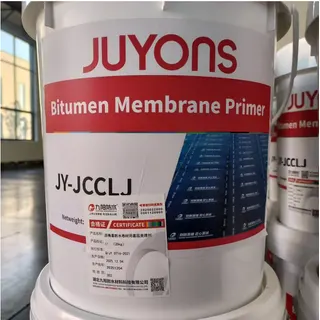
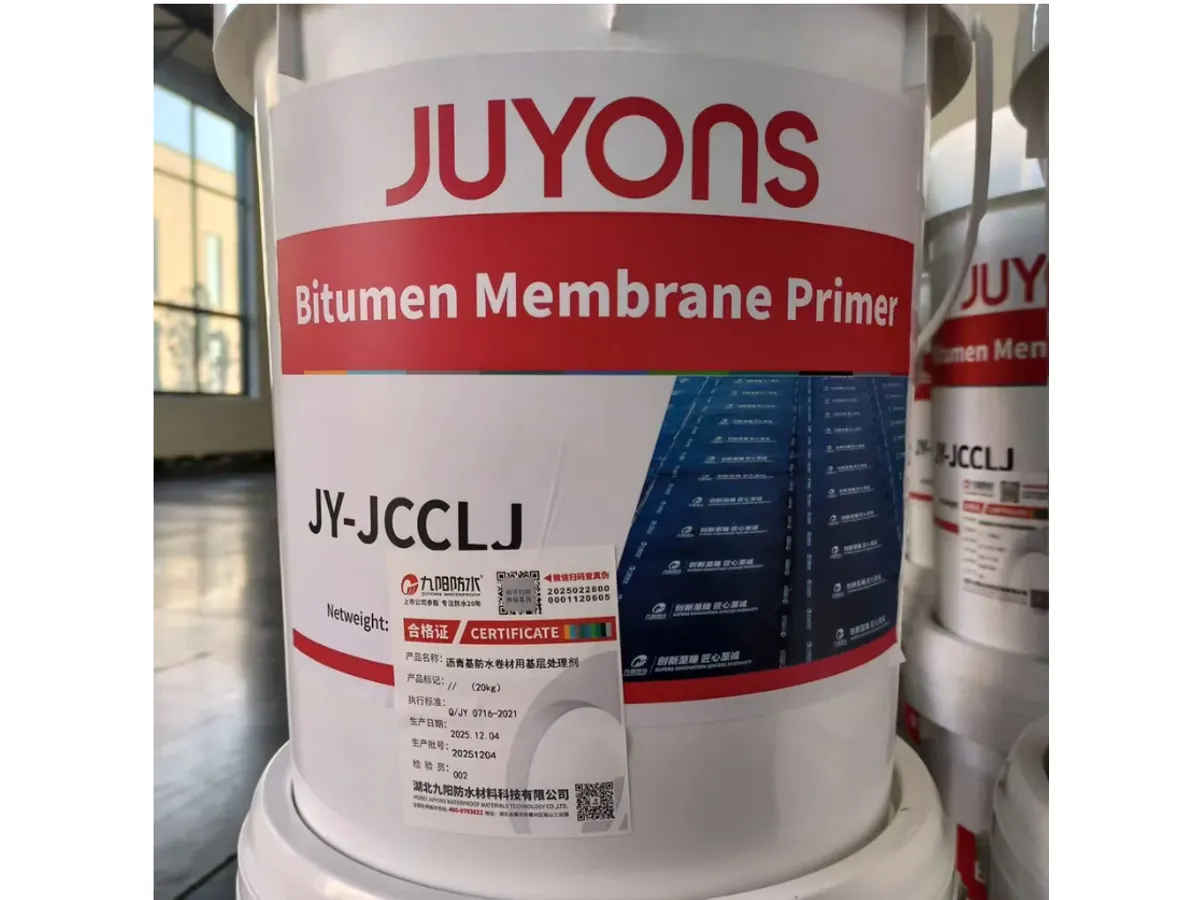
K11 Polymer Cement Waterproof Coating (Two-Component)
18 kg/barrelWaterproof layer for bathroom and kitchen floors that tiles are laid over.
Order on WhatsAppTZS 155,000perbucket




What wall tiles are
Wall tiles are thin glazed tiles made for vertical surfaces: bathroom and kitchen walls, splashbacks and feature walls in living rooms. Most are ceramic with a light, porous body and a glazed face. The Quintessenza data sheet for Cromia26, a typical range of this kind, describes it as a glazed white-bodied porous single-fired wall tile, dry-pressed, with water absorption above 10% — group BIII GL under EN 14411:2013, Annex L.
High absorption is not a fault on a wall. A porous body grips tile adhesive well and is light to hang, but it is weaker under load than the dense body of a floor tile.
Types, sizes and grades of wall tiles
Modern wall tiles come in three broad kinds. Sizes below are those Tanzanian shops listed on 12 November 2026.
| Type | Body and water absorption | Sizes listed in Tanzania | Where it suits |
|---|---|---|---|
| Glazed ceramic wall tile (white body) | porous; above 10% (EN 14411 group BIII, per the Cromia26 sheet) | 25 × 40 cm (15 pieces, 1.50 m² a box) and 30 × 60 cm (8 pieces, 1.44 m² a box) at Kamaka; 200 × 200, 300 × 600 and 265 × 800 mm at CTM | bathroom and kitchen walls, splashbacks |
| Porcelain tile used on a wall | dense; 0.5% or less (EN 14411 group BIa) | 600 × 1200 mm and larger formats at CTM | feature walls, showers, outside walls |
| Glass or ceramic mosaic | small pieces on a sheet | 300 × 300 mm sheets at CTM | splashbacks, shower niches, borders |
The same Cromia26 sheet sets the grade figures a wall tile must meet: a breaking load above 600 N for tiles 7.5 mm thick or more and above 200 N for thinner ones, and a reaction-to-fire class of A1. Ask for a data sheet with these lines when you compare ranges.
Floor tiles on walls, wall tiles on floors
Putting tiles on the wall works in one direction only. Italtile’s guide to living-area wall tiles says practically all floor tiles can be applied to walls, while wall tiles should not be used for flooring; a floor tile has to carry the hardness (PEI) and slip ratings its room needs. A porcelain floor tile on a wall is therefore a normal choice, especially in a shower, where the porcelain tiles page explains why low absorption matters.
The reverse — a 25 × 40 cm ceramic wall tile on a floor — puts a porous, thin tile under feet and furniture it was never made to carry.
What to check when you buy wall tiles
- The word “wall” on the box or data sheet. Some ranges are sold for walls only; others carry floor ratings as well.
- Water absorption group. Above 10% (BIII) is normal for indoor walls. For outside walls, pool surrounds and shower walls, ask for porcelain or a group the maker states is suitable.
- Pieces and area per box. Shops sell wall tiles by the box, so divide the wall area by the m² per box. Italtile adds 10% for cuts and spares.
- Shade or batch code. The Cromia26 sheet lists a shade variation class (V2); buy every box for one wall from the same batch.
- Adhesive and grout. A wall tile needs an adhesive meant for walls, so the tiles do not slide while it sets; the tile adhesive page sets out the types.
Where wall tiles are used: bathroom, kitchen, living room
In a bathroom, tiles cover the shower walls and often the whole room to door height. The surface behind them has to be waterproofed first. The JUYONS data sheet for the K11 Polymer Cement Waterproof Coating (Two-Component) lists toilets and bathrooms among its uses and states that tiles can be laid over the cured coating; Kitovu holds it in stock in Zanzibar. The bathroom tiles page covers floor and wall choices together, and the waterproof cement price page what a bucket of the coating covers.
In a kitchen, a band of tiles between worktop and wall cupboards protects the wall from splashes and heat. Both 300 × 300 mm mosaic sheets and 30 × 60 cm wall tiles are in the size table above.
Wall tiles for living room spaces are usually a single feature wall behind a television or sofa, or a half-height band. Lounge wall tiles take no water or wear, so the choice is about look and format: large porcelain, wood-look or stone-look tiles. Kitovu’s Beige Porcelain Tile 1200x600 mm, Matt Anti-Slip R10, a stone-look tile listed for floors and walls, is one option held in Zanzibar.
Wall tiles price
This page carries no prices. Listed tile prices with seller, unit and date are on the floor tiles price page, which includes skirting, and other materials under prices in Tanzania.
Questions
Can floor tiles be used on walls?
Yes. Italtile, a South African tile retailer, states that practically all floor tiles can be fixed to walls. Check the weight of large tiles against the adhesive's data sheet before you do.
Can wall tiles be used on floors?
No. Italtile advises against it, because a floor tile needs a suitable hardness (PEI) rating and slip rating, which wall tiles are not made to meet. A porous wall tile with a breaking load of a few hundred newtons is not designed for foot traffic.