




















































Makuti thatch roofs in Zanzibar
Published · Updated
Makuti is roofing made from coconut palm leaves tied into mats. In the 2022 census, 21,528 Zanzibar households, 5.7%, lived under roofs of leaves or makuti, against 11.7% on the mainland. On Unguja the share is highest in Kusini Unguja at 7.3% and lowest in Mjini Magharibi at 0.6%.
In stock in Zanzibar
See all 11 products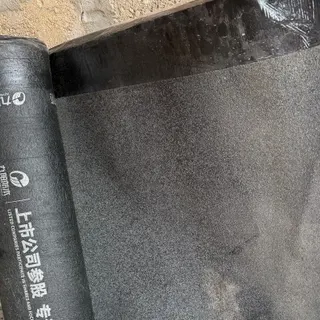
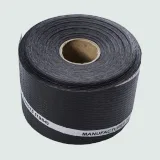
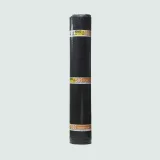
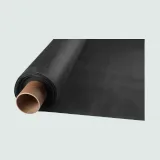
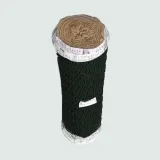
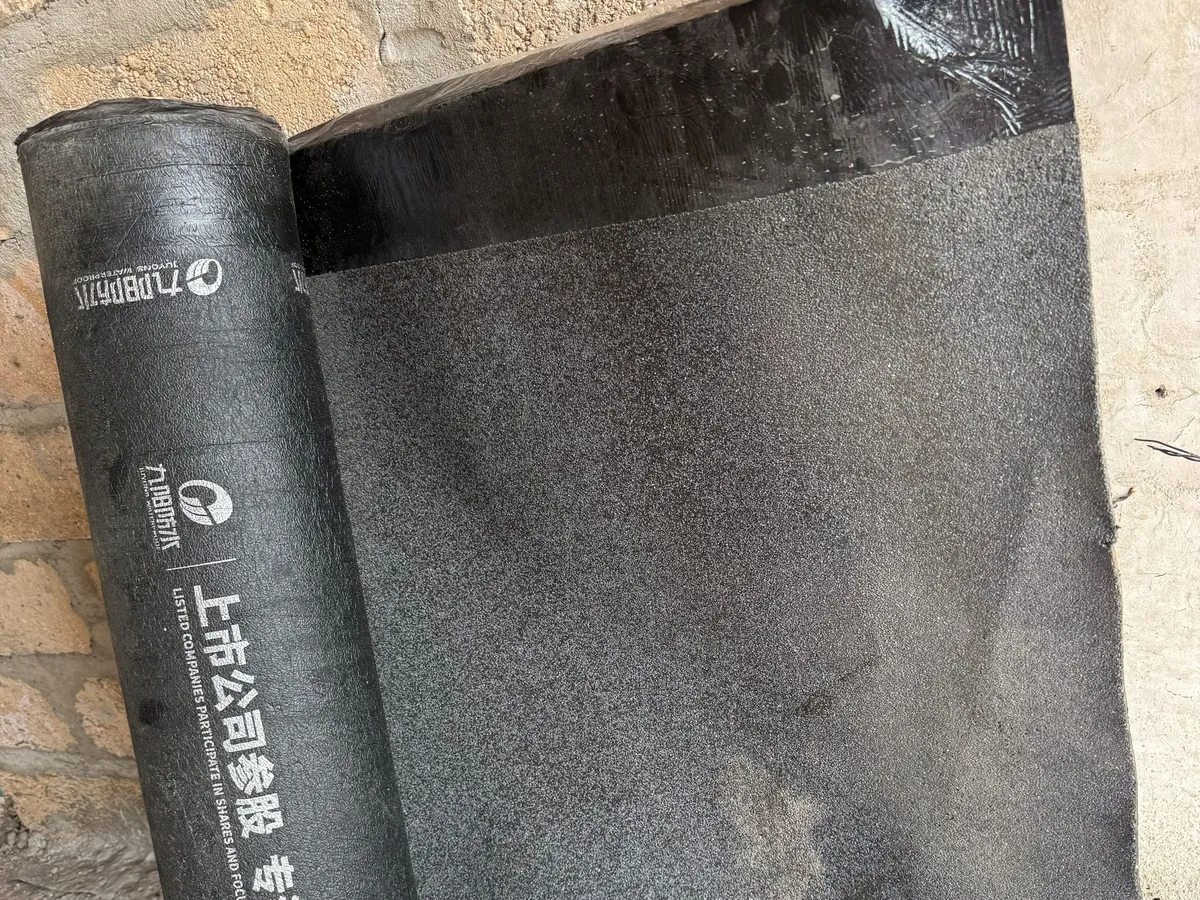
APP Torch-On Waterproofing Membrane, Mineral Finish
3 mm, 4 mmTorch-on APP roll with a mineral top for flat roofs and terraces.
Order on WhatsAppTZS 192,000perroll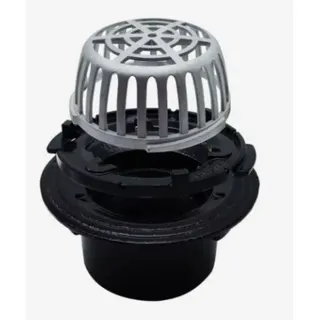
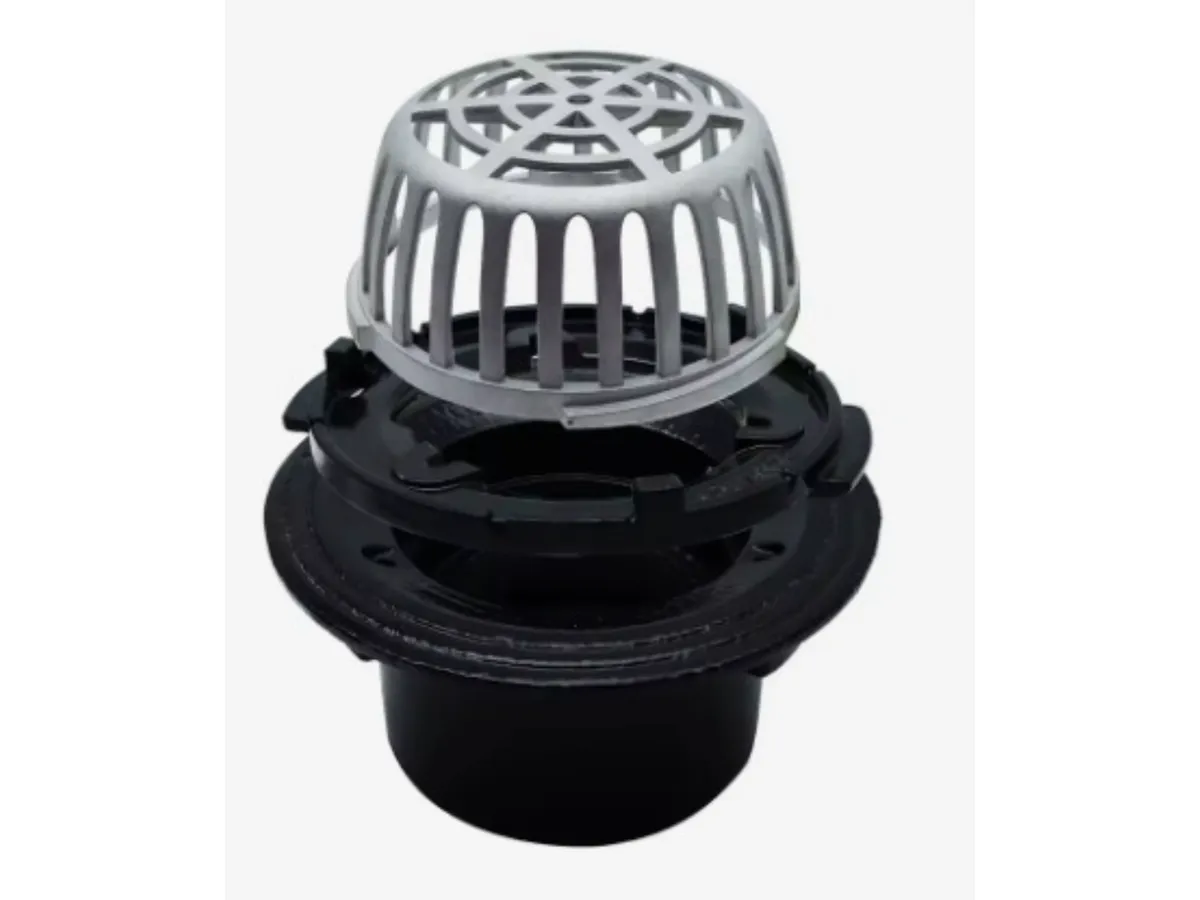
Flat Roof Drain with Dome Strainer for 110 mm Pipe
For 110 mm pipeOutlet for flat roofs and terraces, with a dome strainer, for 110 mm pipe.
Order on WhatsAppTZS 159,900perpiece
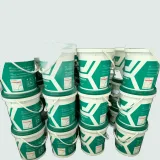
Water-Based Bitumen Primer for Waterproofing Membranes
20 kgBrushed on the roof deck before a bitumen membrane is laid.
Order on WhatsAppTZS 126,240perbucket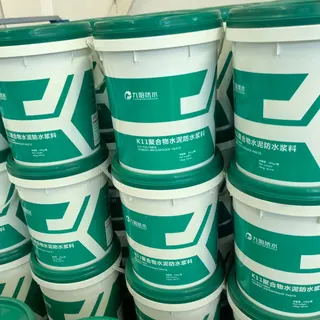
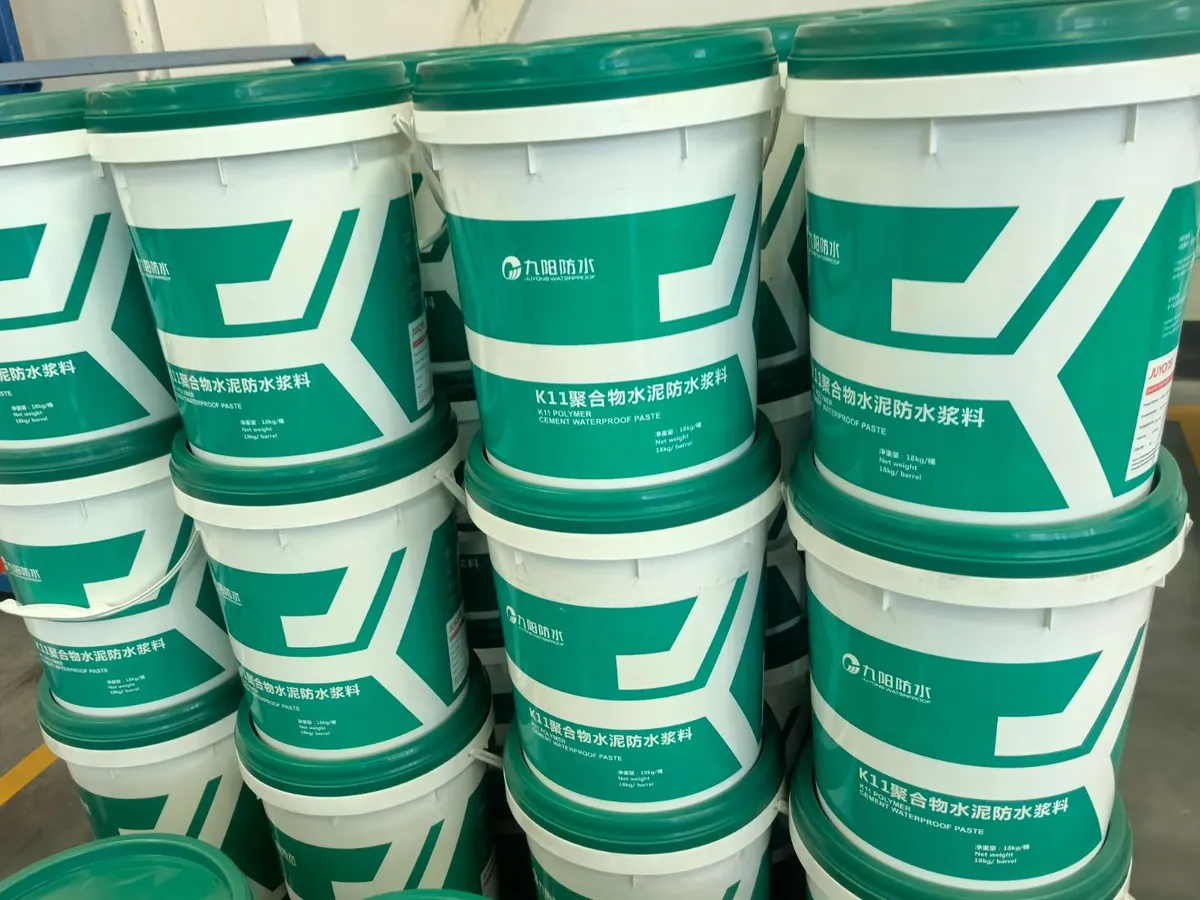
K11 Polymer Cement Waterproof Coating (Two-Component)
18 kg/barrelOrder on WhatsAppTZS 155,000perbucket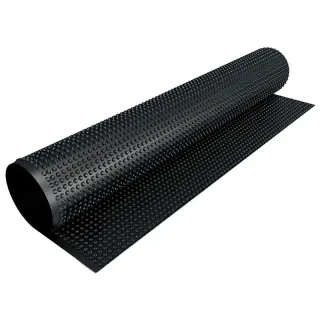

Makuti in Zanzibar: how many roofs
The Kiswahili edition of the 2022 Population and Housing Census findings counts roofs of “Majani au Makuti”, leaves or makuti, as one group (Matokeo Muhimu, April 2024). In Zanzibar that group covers 21,528 households, or 5.7%, about half the mainland share of 11.7%. The English housing condition report of November 2025 splits the island figure by region in table 4.1:
| Region | Grass or leaf roofs | Iron-sheet roofs |
|---|---|---|
| Kusini Unguja | 7.3% | 89.6% |
| Kaskazini Unguja | 5.0% | 93.6% |
| Mjini Magharibi | 0.6% | 97.5% |
| Zanzibar, all regions | 5.7% | 92.5% |
The census records the roof of each household’s main dwelling, so hotels, restaurants and other buildings are not in these figures.
How makuti is made and laid
FAO’s Farm structures in tropical climates, chapter 5, describes makuti step by step. Palm leaves are tied into mats on a rib cut from the palm stem, using dried doum palm fibre or sisal twine. A good mat 600 mm wide takes about 75 leaf blades, and mats are usually made to a standard 600 × 600 mm.
| Detail | FAO figure |
|---|---|
| Mat size | 600 × 600 mm |
| Side lap | 100 mm |
| Rafter spacing that follows | about 500 mm |
| Spacing of mat ribs up the slope | 100–150 mm |
| Resulting cover | 4 to 6 layers, 5–8 cm thick |
| Minimum roof slope | 1:1.5, preferably 1:1 |
The mats are laid on round-pole rafters and their stems tied to the rafters with sisal twine. Corrugated steel sheets need far less: FAO gives 1:3 as their minimum slope on a normal site.
Service life, fire and pests
A 1990 paper by V.K. Sulc in CORD, the journal of the International Coconut Community, puts the serviceable life of a palm-leaf thatch at about 5 to 8 years, depending on the quality of the leaves and the thickness of the layers, and notes that coconut leaves turn brittle when dry and break up in rain and wind.
FAO lists two further drawbacks of thatch. The fire risk is extremely high, reduced by fire-retardant treatment; and thatch can harbour insects, pests and snakes. Both are reasons to ask whether, and how, the leaves were treated before a makuti roof goes up.
Makuti or mabati
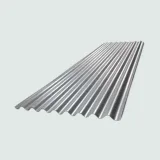
The census figures show the balance on the island: iron-sheet roofs on 92.5% of Zanzibar households, leaves or makuti on 5.7%. Where an owner moves from makuti to sheets, the structure changes as well — purlins instead of close rafters, a lower pitch — as our page on roofing sheets (mabati) in Zanzibar explains, and the sheet itself is covered under roofing sheets.
Kitovu sells from stock in Zanzibar but does not sell makuti or roofing sheets. The roof items in stock, such as the Flat Roof Drain with Dome Strainer for 110 mm Pipe, are for flat concrete roofs; delivery on the island is set out on the delivery in Zanzibar page.