













































































































Bitumen primer: what it does under a membrane
Published · Updated
A bitumen primer is a thin liquid bitumen brushed or rolled onto concrete or screed before a bitumen membrane goes down. It soaks into the surface, binds the dust and gives the membrane something to stick to. Manufacturers' data sheets give 0.25 to 0.4 litres or kilograms per m² per coat.
In stock in Zanzibar
See all 11 products
Water-Based Bitumen Primer for Waterproofing Membranes
20 kgWater-based primer brushed on the base before a bitumen membrane goes down.
Order on WhatsAppTZS 126,240perbucket
APP Torch-On Waterproofing Membrane, Mineral Finish
3 mm, 4 mmTorch-on APP roll with a mineral top for flat roofs, terraces and foundations.
Order on WhatsAppTZS 192,000perroll
K11 Polymer Cement Waterproof Coating (Two-Component)
18 kg/barrelBrush-on cement coating for bathrooms, kitchens, balconies, basements and pools; tiles can go over it.
Order on WhatsAppTZS 155,000perbucket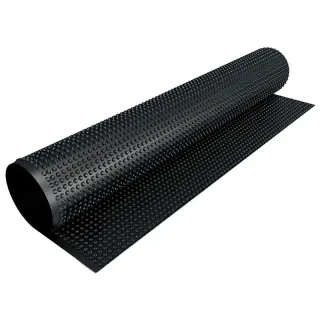
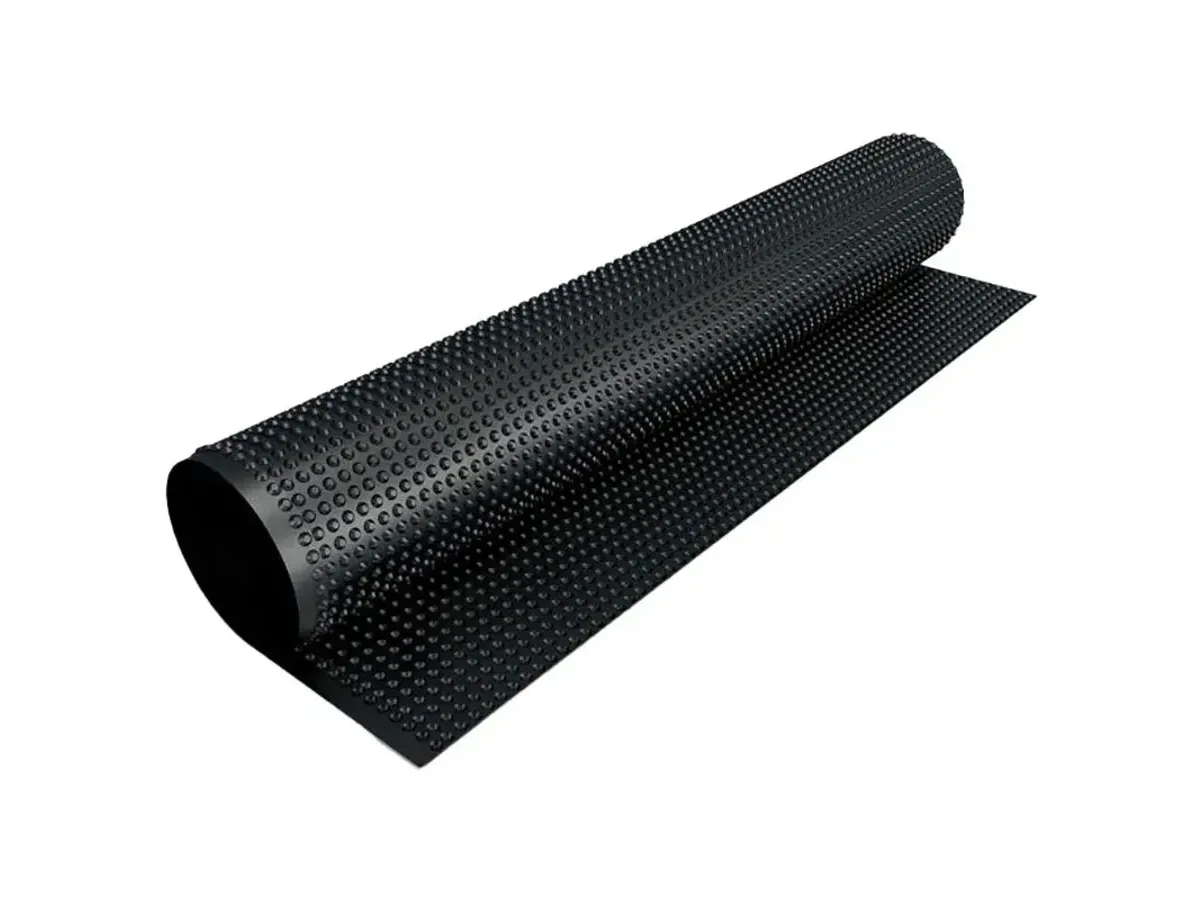
Dimple Drainage Membrane 8 mm with Geotextile (HDPE Drainage Board)
Studded drainage membrane that protects foundation walls below ground.
Order on WhatsAppTZS 328,000perroll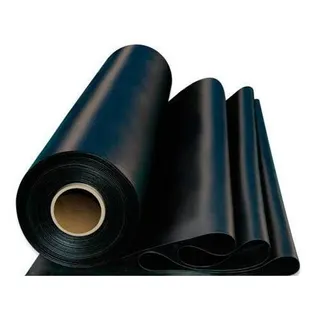
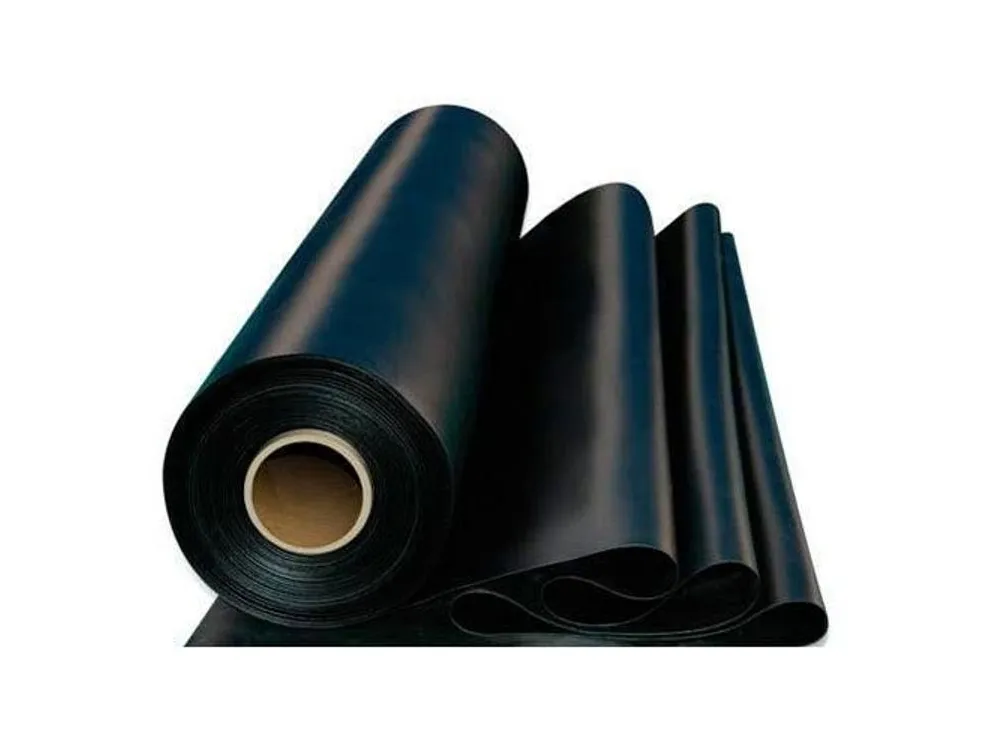
HDPE Geomembrane (Dam Liner), Smooth, 0.3 mm
Smooth0.3 mm0.3 mm HDPE sheet, ordered by Kitovu for damp proofing under floor slabs.
Order on WhatsAppTZS 1,052,000perroll



What a bitumen primer does
Bare concrete is dusty and porous. A membrane torched or pressed straight onto it bonds to the loose surface layer rather than the slab. A primer is thin enough to soak into the pores, and once dry it leaves a bitumen film that the membrane’s own bitumen fuses or sticks to.
Sika’s page for its SikaShield Primer S-30 IN puts it this way: the primer “penetrates and activates the substrates” and improves adhesion between the substrate and bituminous sheet membranes, both torch-on and stick-on, APP and SBS. The roll itself is described on the APP bitumen membrane page.
Solvent-based and water-based bitumen primers compared
There are two kinds, and they behave differently on site.
| Solvent-based (SikaShield Primer S-30 IN) | Water-based (Baumerk B PR 101) | Water-based (JUYONS) | |
|---|---|---|---|
| Base | bitumen in solvent | bitumen emulsified in water | polymer-modified emulsified bitumen |
| Consumption | 0.25–0.40 L/m² per coat | 0.400 kg/m² per layer | 0.3 kg/m² |
| Drying before the next step | touch dry within 4 h, hard dry within 14 h | 4–5 hours | 2–3 hours |
| Application temperature | 10–40°C | not below +5°C | — |
| Flammability | flash point ≥ 30°C | stated as non-flammable | stated as non-flammable |
The trade-off: a solvent primer penetrates well but must be kept away from flames until the solvent has evaporated — important when the next step is a torch. A water-based primer needs no solvent and Baumerk states it can go on moist surfaces, but it must not be laid in rain. Both families are close relatives of bitumen paint and emulsion; a primer is simply thinner.
How a bitumen primer is applied
The steps combine the data sheets above; where they differ, the source is named.
- Prepare the surface. Clean, sound, free of grease, oil and loose particles. Sika adds that new concrete should be cured for at least 28 days and that cement laitance should be removed mechanically.
- Stir or dilute as the sheet says. Baumerk dilutes its B PR 101 with 20% water before use; Sika’s solvent primer is ready to use.
- Apply evenly by brush, roller or spray. JUYONS lists all three and asks for corners, joints and pipe roots to be primed first.
- Let it dry fully before laying the membrane: 2–3 hours for the JUYONS primer at normal temperature, up to 14 hours to hard dry for the Sika one.
Our calculation for a 50 m² roof: 15 kg of the JUYONS water-based primer at 0.3 kg/m², or 12.5–20 litres of the Sika solvent primer at 0.25–0.40 L/m².
Water-based primer in stock in Zanzibar
Kitovu stocks the Water-Based Bitumen Primer for Waterproofing Membranes by JUYONS, in 20 kg buckets. According to JUYONS, it is a polymer-modified emulsified bitumen for treating the substrate before bitumen waterproof membranes; the JUYONS membrane instructions give 0.3 kg/m², which puts one bucket at about 66 m² (our calculation, 20 ÷ 0.3). The listing gives a shelf life of 6 months and storage at 5–35°C, protected from sun, rain and frost.
What to check before you buy
- Match the primer to the membrane. Sika’s primer is named for its own SikaShield sheets; JUYONS names its primer for bitumen membranes. Ask for the primer the membrane maker lists.
- Solvent or water. On a torch-on job, a solvent primer must be completely dry before any flame comes near.
- Consumption unit. Litres per m² and kilograms per m² are not the same number, so check which the sheet uses before you order. The bitumen primer price page shows how a 20 kg bucket and a 20 L tin compare.
- Shelf life. Sika gives 12 months, JUYONS 6 months. Old stock that has separated or thickened should not be used.
Questions
What is bitumen primer?
A low-viscosity bitumen liquid, also sold as bituminous primer, either dissolved in solvent or emulsified in water, applied to a clean surface before bitumen sheets or coatings. Sika describes its solvent primer as one that penetrates and activates the substrate and improves adhesion of APP and SBS membranes.