











Taps for basins, sinks and outdoor use: how to choose
Published · Updated
Taps control the water at each basin, sink, bath and garden point. Mixer taps blend hot and cold before the spout; separate taps keep them apart. GROHE's three-hole basin mixer, for example, needs at least 0.5 bar of flow pressure, works best at 1–5 bar and takes up to 10 bar.
In stock in Zanzibar
See all 11 products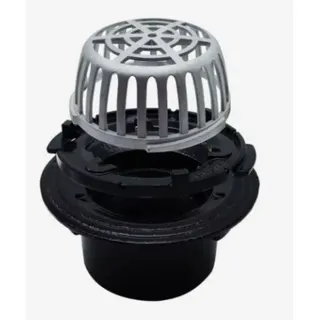
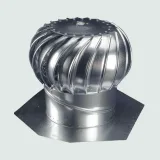
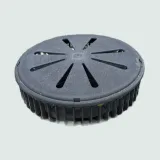
Flat Roof Drain with Dome Strainer for 110 mm Pipe
For 110 mm pipeRoof outlet that connects to a 110 mm drain pipe.
Order on WhatsAppTZS 159,900perpiece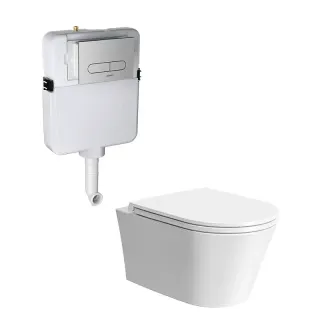
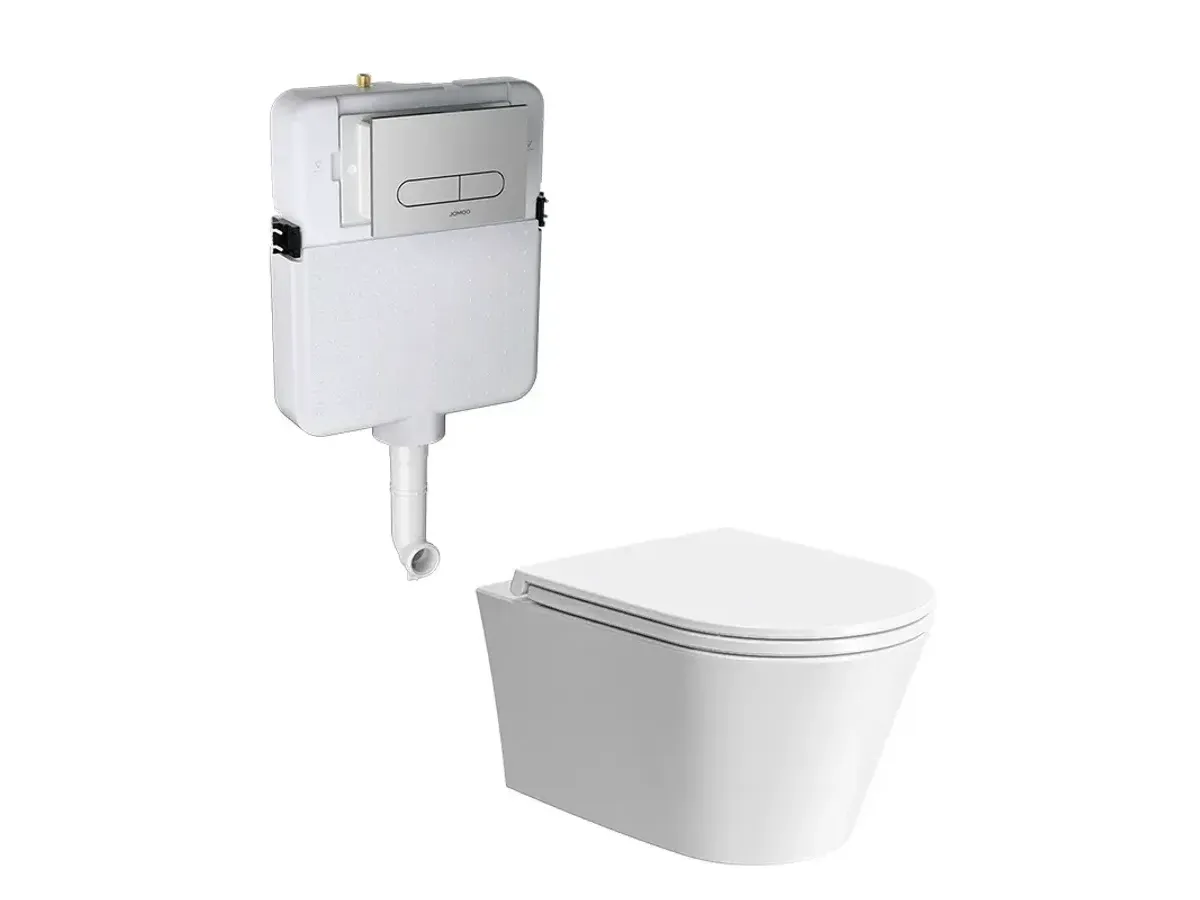
JOMOO Wall-Hung Toilet 02355-00-2, 565 x 375 x 350 mm
565 × 375 × 350 mmOrder on WhatsAppTZS 2,210,000perset
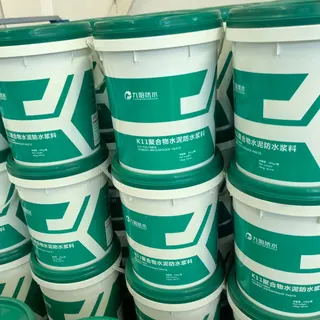
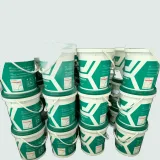
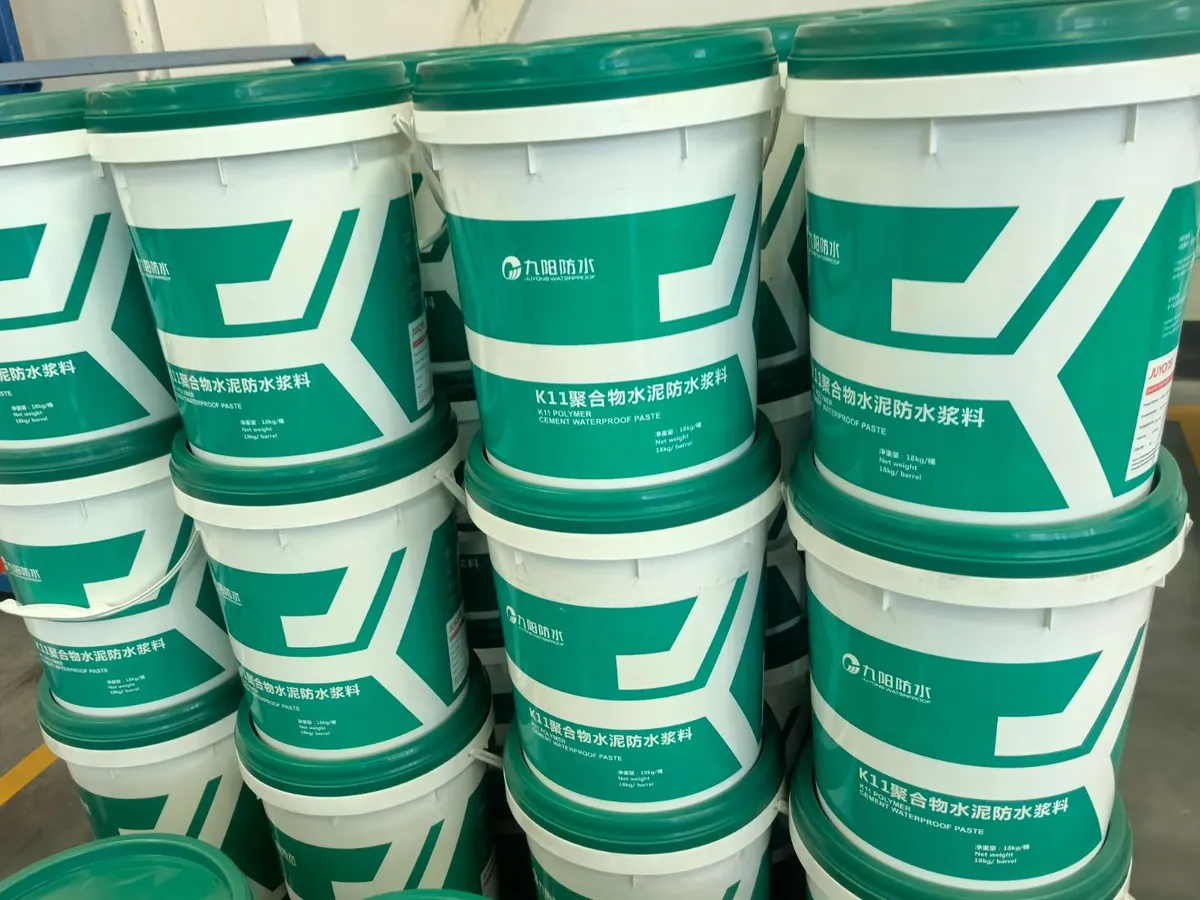
K11 Polymer Cement Waterproof Coating (Two-Component)
18 kg/barrelOrder on WhatsAppTZS 155,000perbucket
Mixer taps and separate taps
A tap is the valve at the end of a water line, where you draw water. Taps come in two basic arrangements. Separate taps give one for hot and one for cold; the Wikipedia article on taps traces them to Edward Chrimes’s invention of 1845, and notes they are still common in older public washrooms and laundries. A mixer tap combines the two supplies so that the water is mixed before it reaches the spout; the article credits the first patent, in 1880, to Thomas Campbell of Saint John, New Brunswick.
Single-handle mixers use one lever for both jobs: up and down changes the flow, side to side the temperature. By convention the hot side is marked red and the cold side blue or green, and the article notes that in the United States building codes place the hot tap on the left.
Washer or ceramic cartridge
What is inside the body decides how a tap closes and how it wears. The older screw-down tap, patented by Guest and Chrimes of Rotherham in 1845, closes a washer onto a seat as the handle turns; Wikipedia notes that this washer wears out over time. Ball and cone valves move through only 90° between fully open and closed, and modern taps use ceramic or plastic cartridges, which turn with little friction.
Water pressure and flow
Every tap is made for a range of pressures. GROHE, the German maker, publishes these figures for its three-hole basin mixer:
| GROHE basin mixer 20143000 | |
|---|---|
| Minimum flow pressure | 0.5 bar |
| Recommended flow pressure | 1–5 bar |
| Maximum operating pressure | 10 bar |
| Test pressure | 16 bar |
| Hot water inlet | up to 80°C; 60°C recommended to save energy |
| Flow at 3 bar | about 13.5 L/min |
| Connection | ½ inch |
GROHE adds that a pressure reducer should be fitted when the static pressure is above 5 bar, and that the pipes should be flushed before the tap is installed. It also says this mixer cannot be used with low-pressure displacement water heaters. Check the minimum flow pressure on the data sheet of any of the taps you consider.
Connecting a tap
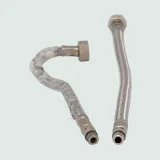
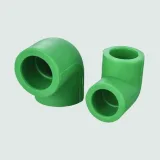
Taps join the supply through threaded tails. Wikipedia gives tap tails as normally ½ inch (12 mm) for sinks and ¾ inch (19 mm) for baths, connected by a swivel tap connector with a fibre washer at the tail. The other end of that connector is fixed to the water pipe with a soldered or compression fitting. Basin and sink taps can also be fed by a short braided hose; those connectors, and their pressure and temperature limits, are covered on the flexi pipes page. In a plastic hot and cold system, a threaded elbow with a brass insert brings the supply to the tap, as described on the PPR pipes and fittings page.
Garden and outdoor taps
An outdoor tap goes by several names: a bib tap, hose bib, spigot or wall hydrant, as Wikipedia lists them. To stop water being drawn back from a hose into the supply, Wikipedia notes that US jurisdictions generally require vacuum breakers or backflow preventers on hose spigots, and UK water regulations require a double check valve. These are foreign rules, cited here for the reason behind them. The hose that fits such taps is covered on the hose pipe page.
What to check when you buy
- Type. Mixer or separate taps, single-lever or two handles.
- Mechanism. Washer or ceramic cartridge, and whether spare parts are available.
- Pressure range. The minimum flow pressure and maximum operating pressure, against the pressure in your house.
- Hot water. The maximum inlet temperature if a water heater feeds the tap.
- Connection. Tail size, ½ or ¾ inch, and whether connectors are included.
- Outdoor use. A backflow device on garden taps where a hose will be used.