













































































































Construction aggregates: fine, coarse and hardcore
Published · Updated
Aggregates are the sand, gravel and crushed stone that make up the bulk of concrete, mortar and road bases. The American Concrete Institute splits them at the 4.75 mm sieve: what stays on it is coarse aggregate, what passes is fine aggregate, and the largest stone allowed depends on the slab and the rebar spacing.
In stock in Zanzibar
See all 11 products
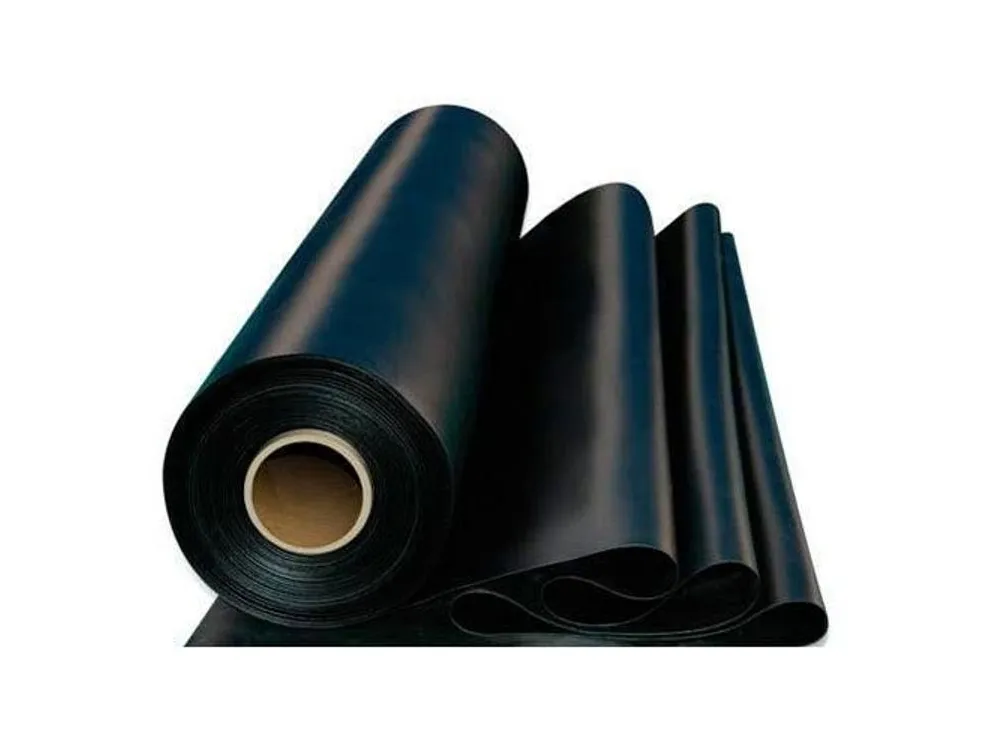
Non-Woven Needle-Punched Polypropylene Geotextile 200 g/m²
200 g/m²Laid under crushed stone so that it does not sink into the soil.
Order on WhatsAppTZS 526,000perroll
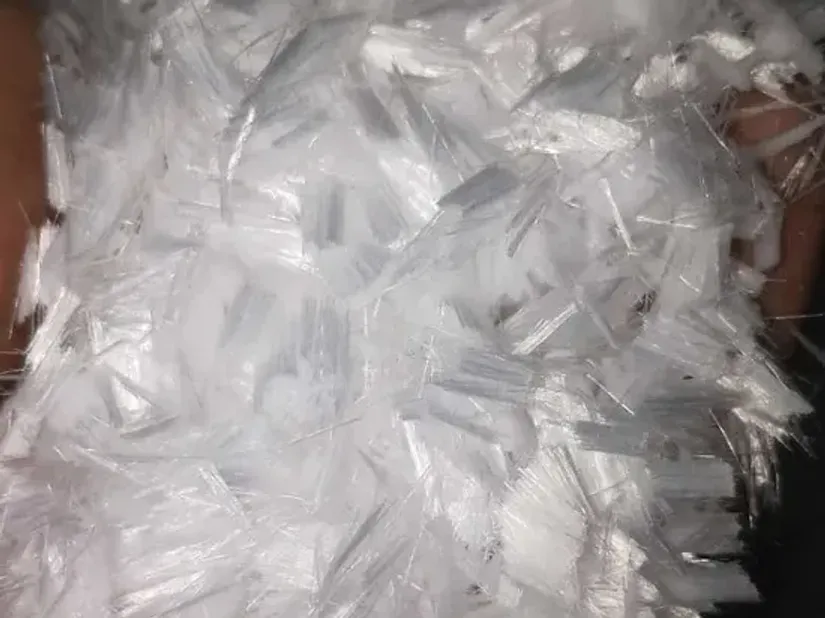
Polypropylene Fibre for Concrete and Mortar
Order on WhatsAppTZS 15,100perkg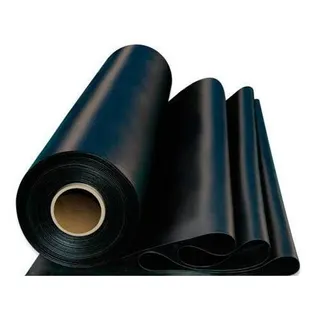





What aggregates are
Construction aggregate (kokoto) is any granular mineral material mixed with cement or laid as a base: sand, gravel, crushed stone, crushed concrete or slag, as the American Concrete Institute lists them in its bulletin Aggregates for Concrete (ACI E1-16).
The bulletin separates aggregates by origin. Natural sand and gravel are rock worn down by water and wind; crushed stone and manufactured sand come from breaking quarried rock in a crusher. Either kind may then be screened into sizes and washed.
Fine and coarse aggregate
The dividing line is a single sieve. Coarse aggregate is the part retained on the 4.75 mm sieve; fine aggregate is the part that passes it and mostly stays on the 75 µm sieve, below which the material counts as silt and clay. ACI E1-16 gives typical ranges for normal-weight aggregates used in concrete:
| Property | Typical range (ACI E1-16) |
|---|---|
| Fineness modulus of fine aggregate (sand) | 2.0 to 3.1 |
| Nominal maximum size of coarse aggregate | 9.5 to 37.5 mm |
| Absorption | 0 to 8% |
| Bulk relative density | 2.30 to 2.90 |
| Dry-rodded bulk density of coarse aggregate | 1,280 to 1,920 kg/m³ |
| Surface moisture: coarse / fine | 0–2% / 0–10% |
The last line matters when sand is bought by weight: on ACI’s range, up to a tenth of a damp load can be surface water.
Gravel, crushed stone and hardcore
Three names cover most of what is sold:
- Gravel — natural stone worn down by water, dug from rivers or pits.
- Crushed stone — angular pieces from a quarry crusher, sold in size bands such as 19 to 4.75 mm or 37.5 to 19 mm, the groups ACI quotes from the American standard ASTM C33. The fine leftover of crushing is sold as crusher dust.
- Hardcore — heavy broken stone, brick or concrete laid under floors, paths and drives. The UK waste firm McCarthy Waste describes it as solid, dense material that forms a stable base and should be free from organic matter.
Choosing the maximum size
ACI notes that the largest stone the job allows is sometimes recommended, but it has to fit between the bars and the formwork. The bulletin gives the general limits: the nominal maximum size of aggregate should be no more than one-fifth of the narrowest gap between form sides, one-third of the depth of a slab, and three-quarters of the clear spacing between reinforcing bars.
Our calculation for a slab 100 mm deep: one-third gives 33 mm. If the clear gap between bars is 25 mm, three-quarters of that gives about 19 mm — so the smaller figure, roughly 19 mm stone, governs. The same rule applies to reinforced concrete beams and columns, where bars sit closer together.
What to check before buying
ACI E1-16 names the contaminants that matter. Organic matter — peat, humus, loam, even sugar — delays setting and hardening. Silt and clay passing the 75 µm sieve raise the water a mix needs, make its slump vary from batch to batch, and as a coating on stone weaken the bond between paste and aggregate. Soft or lightweight pieces such as coal, lignite and wood hurt durability.
A practical check before a load is tipped: look for clay lumps and dust coatings on the stone, and for roots or soil in the sand.
Where aggregates are used
Fine and coarse aggregate go into concrete with cement and water, from slabs to the footings of concrete posts and poles; sand alone goes into mortar and plaster; hardcore and crushed stone build up sub-bases under floors, paths and yards. Where crushed stone sits on soft ground, a separation layer stops it sinking into the soil — the use for which Kitovu stocks Non-Woven Needle-Punched Polypropylene Geotextile 200 g/m², in rolls of 2 × 100 m. More on how such fabrics work is on the geotextile page.