









































































Zanzibar doors: the carved doors of Stone Town
Published · Updated
Zanzibar doors are the heavy carved wooden doors of Stone Town's old houses. UNESCO, which listed Stone Town as World Heritage in 2000, singles out its elaborately carved double doors. One 19th-century example at the Metropolitan Museum of Art, wood and brass, measures 270 × 150 cm. Kitovu does not sell these doors.
In stock in Zanzibar
See all 11 products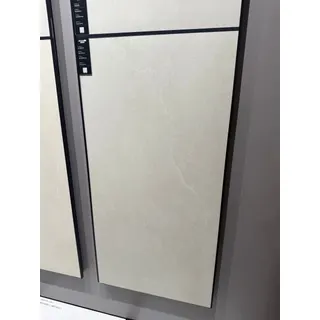
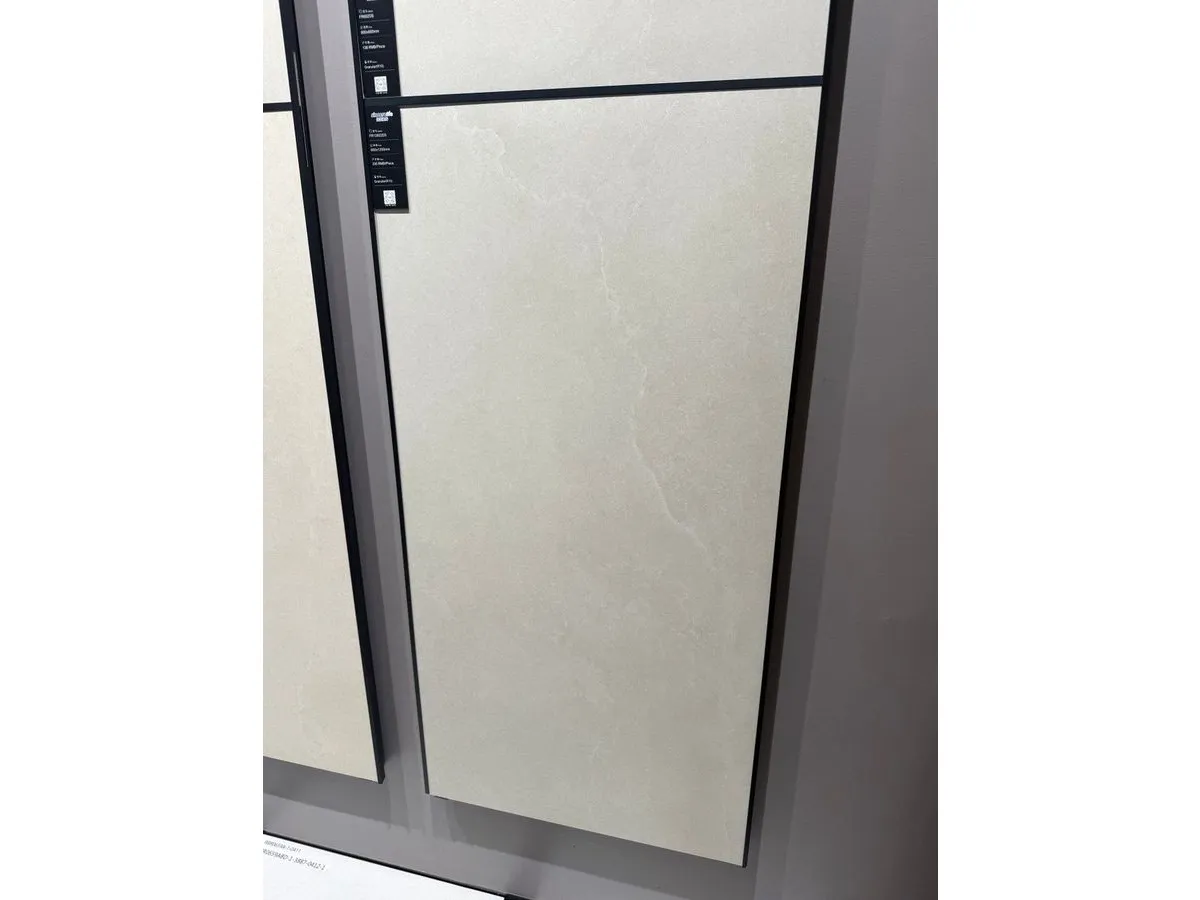
Beige Porcelain Tile 1200x600 mm, Matt Anti-Slip R10
1200 × 600 mmR10Order on WhatsAppTZS 49,680pertile
K11 Polymer Cement Waterproof Coating (Two-Component)
18 kg/barrelOrder on WhatsAppTZS 155,000perbucket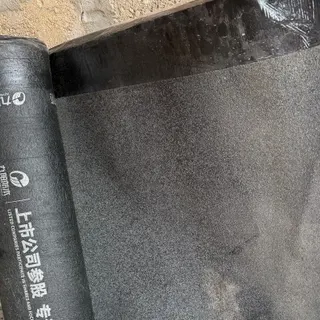



What Zanzibar doors are
In Stone Town the street front of a house is plain and the door carries the decoration. UNESCO’s World Heritage entry for the Stone Town of Zanzibar describes two-storey houses built round a courtyard and recognised from outside by elaborately carved double “Zanzibar” doors. The walls behind them are coral ragstone and mangrove timber laid in thick lime mortar, then plastered and lime-washed.
The Minneapolis Institute of Art explains why the door mattered in the label for a Swahili door in its collection: the white, unadorned walls of a stone house stood for the family’s standing, and the massive carved frame at the main entrance was the one hint of wealth inside.
Zanzibar doors history
The Wikipedia article on the Swahili door, drawing on Nancy Ingram Nooter’s study “Zanzibar Doors” in African Arts (1984), traces the type to the Swahili coast in the Middle Ages, with a peak in the 19th century. It names Zanzibar City, Lamu and Mombasa among the coastal towns with the oldest doors, and Zanzibar City as the place where most of the surviving ones are.
The 19th century is also when most of Stone Town’s major buildings went up: UNESCO dates them to the 18th and 19th centuries. The Minneapolis museum describes the “international style” that formed in Zanzibar in that period, mixing forms from mainland Africa, Gujarat, the Red Sea and the Persian Gulf on a single door.
Styles of Stone Town doors
Writers and guides sort Stone Town doors into Arab, Indian and Swahili groups; the sources below describe the features rather than the labels, so the table follows the features.
| Feature | What it looks like | Period or origin |
|---|---|---|
| Rectangular frame | squared lintel, geometric carving | the older, classic form |
| Arched lintel | rounded top over the frame | 19th century |
| Inscribed lintel | Arabic inscription at the centre of the lintel | both rectangular and arched doors |
| Ornate carving | denser, baroque-like scrolls | Indian-influenced doors |
| Metal studs | brass or cast-iron bosses on the leaves | studded doors |
The classic carving repeats a small set of motifs: frankincense tree, lotus, rosette, chain, date palm and fish, according to the same Wikipedia article.
Wood, carving and size
Teak was the timber of the most expensive doors and had to be imported; classical doors also used African ebony, and more recent ones are carved from mango and jackfruit, the Wikipedia article reports. Ask which of these a carver is offering before you agree a design.
Two museum doors give real dimensions:
| Museum | Date | Materials | Size (H × W × D) |
|---|---|---|---|
| Metropolitan Museum of Art, New York | mid to late 19th century | wood, brass | 270 × 150 × 26 cm; recorded weight 218.6 kg |
| Minneapolis Institute of Art | mid 19th century | wood, iron | 259.1 × 129.5 × 25.4 cm |
Both records give overall dimensions. A new door of this size needs an opening, a lintel and a wall able to carry that weight.
Modern Zanzibar doors
UNESCO’s assessment says traditional materials and building techniques are still used to a large extent in Stone Town, while modern materials and designs bring growing competition. That is the setting for modern Zanzibar doors: the old patterns, often in other woods. If you are commissioning one for a house elsewhere on the island, these points come from the sources above:
- Name the wood in writing: teak, ebony, mango or jackfruit.
- Measure the opening; the two museum doors stand 259–270 cm tall with frames.
- Plan for the weight; the Met records 218.6 kg for its door overall.
- Agree whether the studs are brass or cast iron.
- Decide on an inscription for the lintel, since the classic doors carry one.
Doors in Zanzibar and Kitovu
Kitovu does not make, sell or broker carved doors. It sells building materials from stock in Zanzibar — waterproofing, tiles, drainage and sanitary items — listed on our products page. For what is on the island and how ordering works, see building materials in Zanzibar.