



















Wooden flooring: types, timbers and fitting rules
Published · Updated
Wooden flooring is either solid timber or engineered planks: a hardwood top layer glued onto a core of softwood or plywood. Mninga (Pterocarpus angolensis) and mvule (Milicia excelsa) are East African timbers used for floors; PROTA puts mninga at 400–700 kg/m³ at 12% moisture.
In stock in Zanzibar
See all 11 products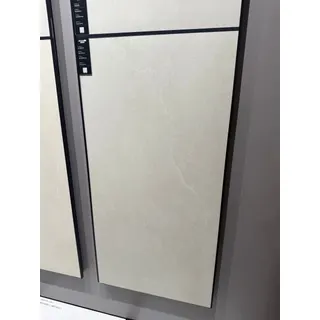
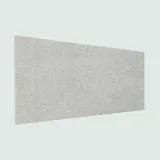
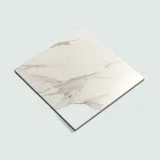
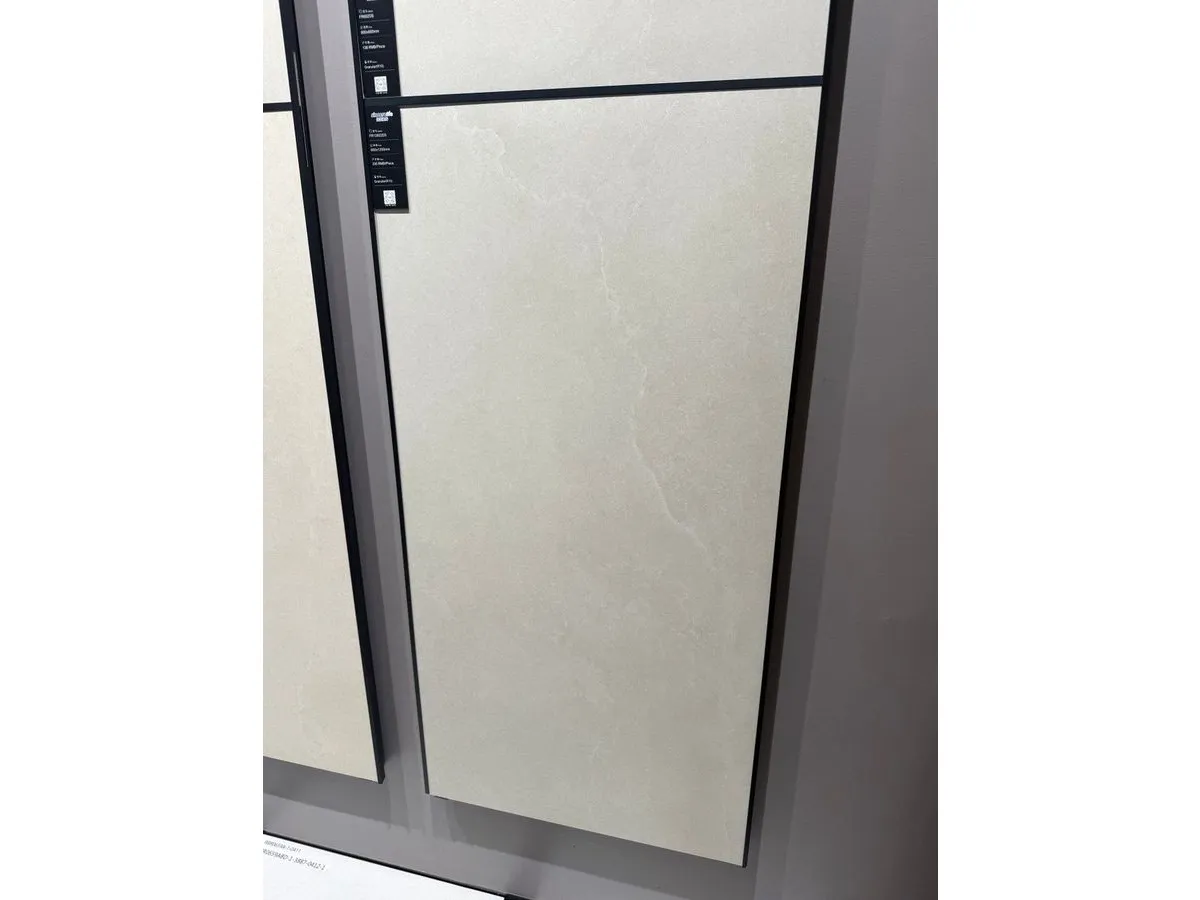
Beige Porcelain Tile 1200x600 mm, Matt Anti-Slip R10
1200 × 600 mmR10Large-format beige porcelain with a stone look for floors and walls.
Order on WhatsAppTZS 49,680pertile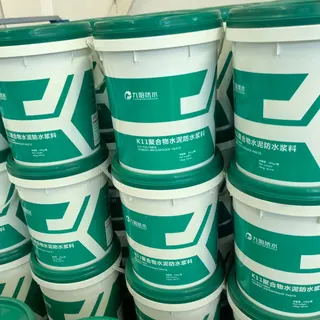
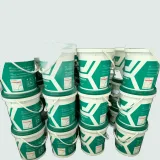
K11 Polymer Cement Waterproof Coating (Two-Component)
18 kg/barrelOrder on WhatsAppTZS 155,000perbucket
Types of wooden flooring
Wooden flooring comes in two constructions. Solid flooring is cut from one piece of timber, as boards or as small parquet blocks. Engineered flooring is built in layers: a top layer of the visible hardwood bonded to a core underneath. Swedish maker Kährs, in its engineered wood guide, sells both 2-layer and 3-layer boards and explains why it uses a softwood middle layer rather than the plywood core found in other makes.
The reason for the layers is movement. Kährs puts it simply: wood swells and shrinks as the air gets more or less humid, because the wood cells take up and give off moisture. Kährs designs its layered boards to restrict that movement. The same guide shows how wide the choice of format has become, with planks 151, 187, 220 and 305 mm wide and up to 2,400 mm long, plus herringbone and chevron blocks.
East African timbers for wood floors
Two local hardwoods appear in reference works as flooring timbers, each listed there with its Swahili names.
| Timber | Botanical name | What the source says about it as wood |
|---|---|---|
| Mninga (also mdamudamu, mtumbati) | Pterocarpus angolensis | used for furniture, parquet flooring and veneer; density 400–700 kg/m³ at 12% moisture; low shrinkage and very stable once dry; heartwood moderately durable and moderately resistant to termites; sapwood open to powder-post beetle |
| Mvule (also mvuli) | Milicia excelsa | one of the most popular timber species in East Africa; brown, darkening with exposure and oiling; heavy, strong and resistant to termites; used among other things for panelling and floors |
Both sources also flag pressure on the trees. PROTA notes that Tanzania sets a minimum cutting diameter of 25 cm for mninga, and ICRAF reports that mvule has been over-harvested because of its value. PROTA adds that mninga dries well but slowly, so it is worth asking a timber seller where the boards come from and how they were dried.
Since mninga sapwood is open to powder-post beetle, ask for heartwood boards.
What the room and subfloor need for wooden flooring
Wood reacts to the room it is laid in. The Kährs installation guide for its click-joint engineered floors sets out these conditions:
- Air. Relative humidity of 30–60% before, during and after laying, with the room and the boards at 15°C or more.
- Subfloor. Dry, level, clean and solid; within ±3 mm over 2 m or ±1.2 mm over 0.25 m, or ±2 mm over 1 m.
- Moisture barrier. On concrete laid directly on the ground, a 0.2 mm polyethylene sheet with 200 mm overlaps. If the subfloor’s relative humidity is above 90%, the guide says the sheet alone is not enough and the moisture problem must be solved first.
- Underlay. 2–3 mm foam over the sheet to cut impact noise.
- Movement joint. 10 mm all round on floors under 6 m wide; above that, 1.5 mm for each metre of floor width.
- Size. For its 13–15 mm click floors, a maximum floor width of 15 m without an extra joint.
The humidity range is the figure to check first: the guide ties damage to the floor to air that stays above 60%.
Wood or tile for a floor
Wood and tile solve the same problem differently. If a room cannot be kept in the humidity range a wood floor needs, a hard tile is one option; a rigid SPC floor or an epoxy floor coating are others, each with its own subfloor rules. The tile Kitovu keeps in Zanzibar is the Beige Porcelain Tile 1200 × 600 mm, Matt Anti-Slip R10, matt and granular to the touch; other sizes and types are compared on the floor tiles page. Wooden flooring is not part of Kitovu’s stock.