
















































Wood-look tiles
Published · Updated
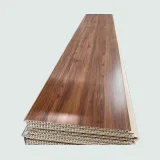
Wood-look tiles are ceramic or porcelain tiles cut as long planks and printed with a timber grain. CTM Tanzania lists them in formats such as 230 × 1200 mm and 300 × 1000 mm. Fine Homebuilding's guide advises offsetting each row by no more than one third of a plank, so that the floor stays flat.
In stock in Zanzibar
See all 11 products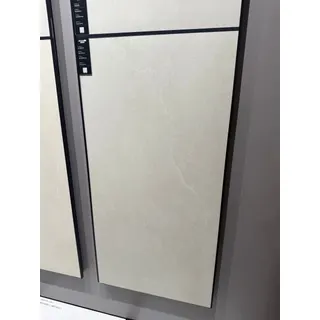
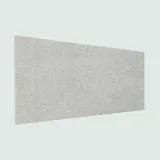
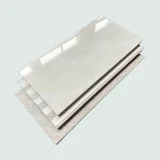
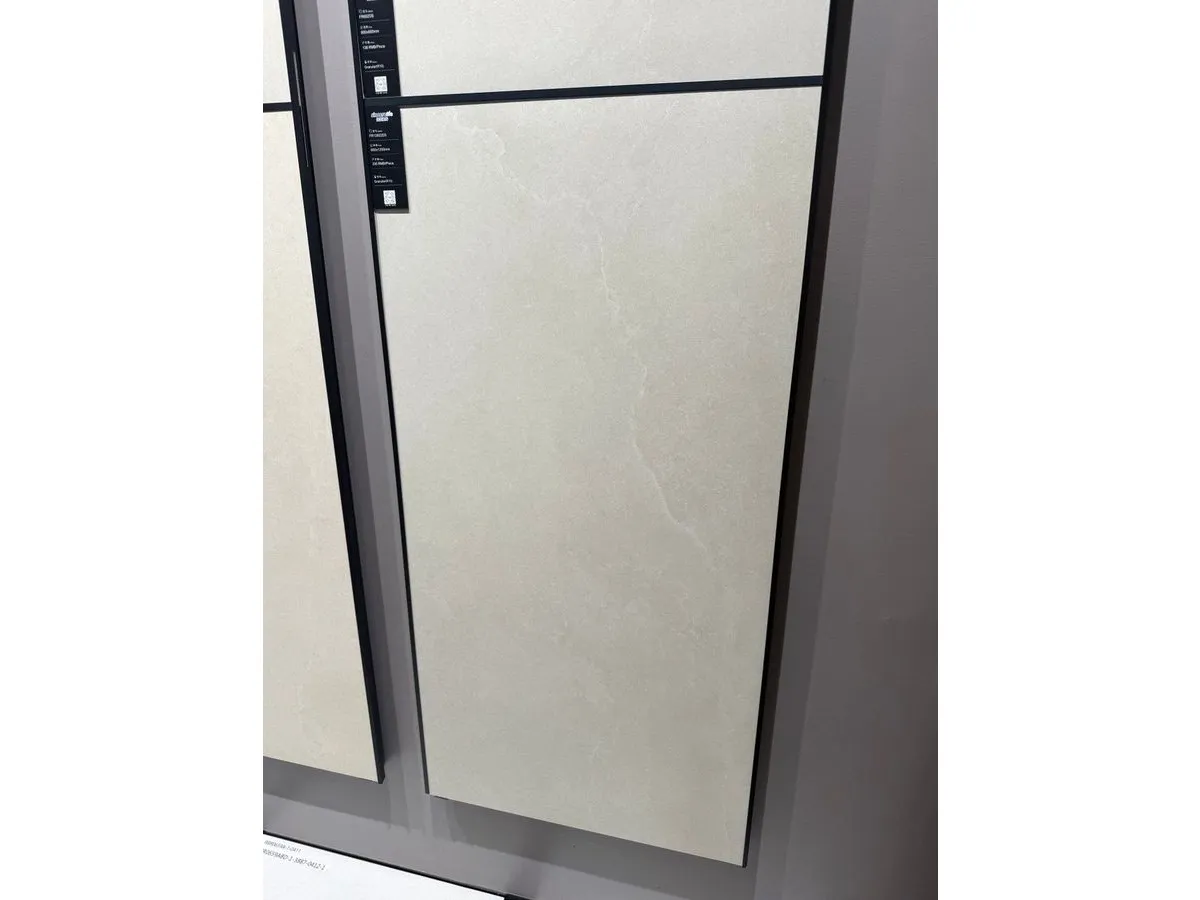
Beige Porcelain Tile 1200x600 mm, Matt Anti-Slip R10
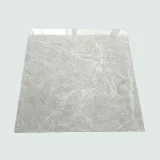
1200 × 600 mmR10Beige 1200 × 600 mm porcelain, matt R10 anti-slip, for floors and walls, wet areas included.
Order on WhatsAppTZS 49,680pertile
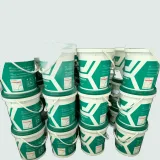
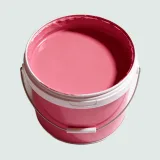
K11 Polymer Cement Waterproof Coating (Two-Component)
18 kg/barrelWaterproof layer for bathroom and kitchen floors that tiles are laid over.
Order on WhatsAppTZS 155,000perbucket



What wood-look tiles are
A wood tile is a fired tile, not timber: a porcelain or ceramic body with a printed glaze that copies the grain, knots and colour of a board. Most are made as planks — long and narrow — so the floor reads like boards rather than squares. Some buyers searching “tile on wood” mean this look; laying tiles over a timber subfloor is a different job, and its base preparation is a matter for the adhesive and tile makers’ instructions.
Because the body is ceramic, the tile takes water and wear the way other floor tiles do. The porcelain tiles page explains the dense body most wood-look planks use.
Wood tile sizes sold in Tanzania
These wood-look ranges appeared in Tanzanian shop catalogues on 12 November 2026:
| Range | Body and finish (as listed) | Size | Shop |
|---|---|---|---|
| Borneo Gris, Roble, Taupe | porcelain | 230 × 1200 mm | CTM |
| Barnwood Natural, Whitewashed | glazed porcelain, matt, rectified | 895 × 220 mm | CTM |
| Origins Trinidad Grey | matt porcelain | 280 × 710 mm | CTM |
| Kilimanjaro Edge (Tshwane, Kibale, Timbila, Amarula) | rectified matt porcelain; marked discontinued | 300 × 1000 mm | CTM |
| Alpi Cerezo, Alpi Nogal (Pamesa) | listed under “Wooden tiles” | not stated | Dar Ceramica |
Prices for some of these are on the floor tiles price page; this page carries none.
What to check when you buy wood tile
- Body. Porcelain is the usual choice for floors; check the water absorption or the word porcelain on the box.
- Rectified edges. Studio Jeandre’s guide to wood-effect tile recommends a rectified profile: the edges are machined straight, so the grout joints between planks can be tight and even.
- Pattern repeat. A printed grain repeats after a number of faces. Ask how many different faces the range has, and mix tiles from several boxes as you lay them so that identical planks do not sit side by side.
- Slip class. For kitchens, bathrooms and verandas, check the R class; the floor tiles page explains R9 to R13.
- Batch. Buy all boxes for one floor from the same shade batch.
How a wood tile floor is laid
Long planks are rarely perfectly flat along their length. Fine Homebuilding’s guide to wood-look plank flooring therefore tells the tiler to measure the cuts so that each row overlaps the previous one by no more than one third of a tile. A half-plank offset, common with real boards, lines up the high points of neighbouring tiles and leaves edges standing proud.
For the adhesive under long porcelain planks, see the tile adhesive page, which sets out the classes made for porcelain and large formats; joints are filled afterwards as described on the tile grout page. Narrow joints suit a rectified plank.
Where wood-look tiles suit
Because porcelain takes up very little water, wood-look porcelain planks are laid in rooms that are washed often — kitchens, bathrooms and verandas — as well as living rooms and bedrooms. It also suits feature walls; the wall tiles page covers fixing tiles to walls. Where a stone look fits the room better, Kitovu keeps the Beige Porcelain Tile 1200x600 mm, Matt Anti-Slip R10 in stock in Zanzibar.