













































































































PVC boards and other wall panels: what to choose
Published · Updated
PVC boards are rigid plastic sheets or panels used to line walls, ceilings and fittings. A foamed PVC sheet such as FOREX classic is made from 1 to 19 mm thick and is rated for service up to 55°C, according to its maker's product guide; hygienic PVC wall cladding is fixed in sheets with sealed joints.
In stock in Zanzibar
See all 11 products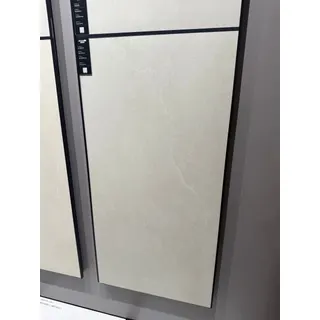
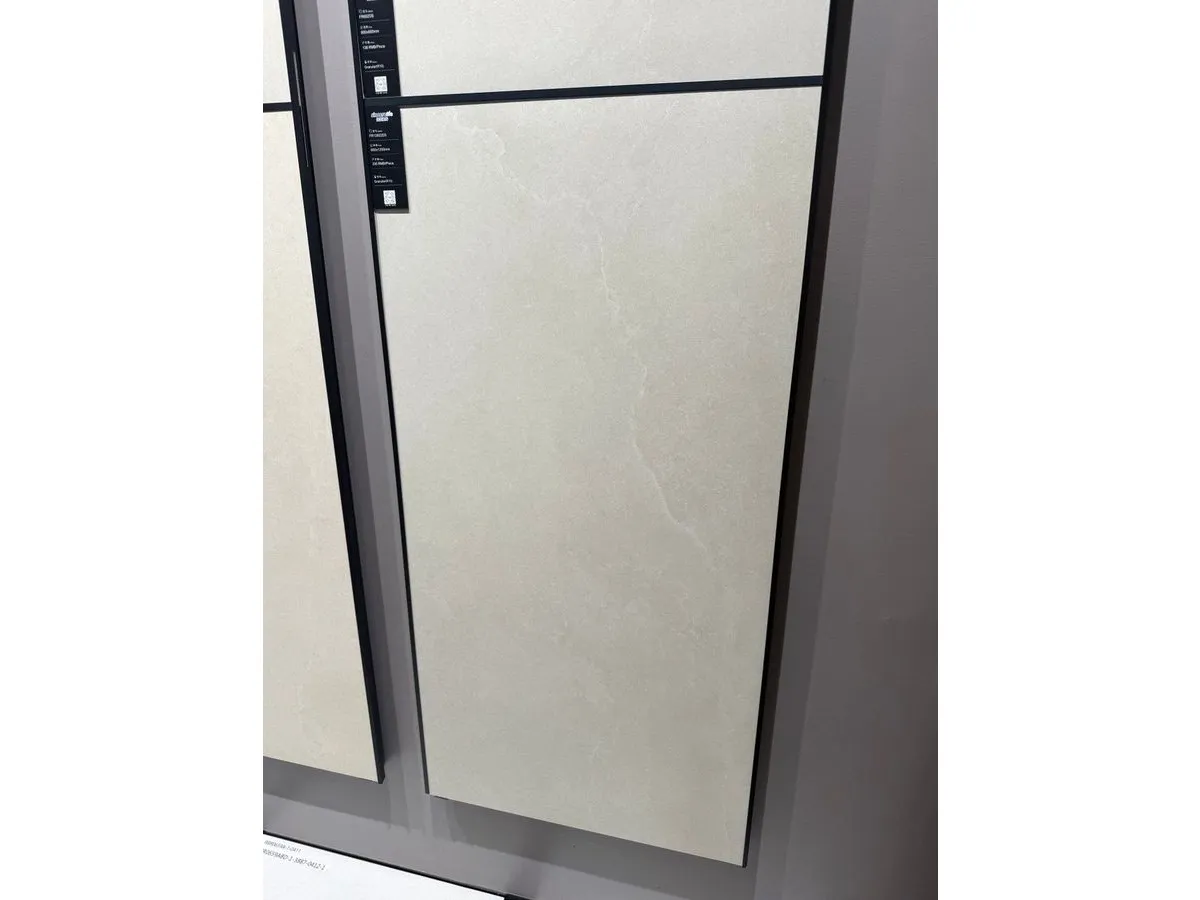
Beige Porcelain Tile 1200x600 mm, Matt Anti-Slip R10
1200 × 600 mmR10Large-format beige porcelain with a stone look for floors and walls.
Order on WhatsAppTZS 49,680pertile
K11 Polymer Cement Waterproof Coating (Two-Component)
18 kg/barrelOrder on WhatsAppTZS 155,000perbucket




What PVC boards are
“PVC board” covers two related products. The first is foamed PVC sheet, a light board that can be cut, printed, painted or bent and is used for shop fitting, furniture, wall cladding and partitions. The second is PVC wall cladding made to line walls in hygienic areas; Altro’s guide for its system covers showers and kitchens with cookers.
Both PVC products are rigid, and both share the same two limits that decide where they can go: heat and movement. The figures below come from the documents of two makers, 3A Composites for FOREX sheet and Altro for its Whiterock cladding.
Types of wall panels
| Type | What it is | Typical use |
|---|---|---|
| Foamed PVC sheet (PVC board) | foamed PVC sheet, 1–19 mm for FOREX classic | wall cladding and partitions, interior design, shop fitting |
| PVC wall cladding (PVC wall board) | rigid PVC sheet with joint strips and sealant | hygienic walls in kitchens, washrooms and showers |
| Slat and fluted panels | timber or wood-look slats; WoodUpp mounts its slats on felt, 240 × 60 cm | living rooms, offices, kitchens, home cinemas (WoodUpp) |
| Wood panelling and wainscoting | timber or board panels, full height or on the lower part of the wall | — |
| 3D wall panels | moulded panels with a relief pattern | — |
Sources: the FOREX product guide of January 2025, the Altro Whiterock technical guide and the WoodUpp range. Slat panels on felt are sold as sound absorbers too; how those are rated is explained under acoustic sound panels.
PVC foam board specs to check
The FOREX guide gives a full data set for its classic sheet. It is a useful checklist for any PVC board meant for a wall:
| Property | FOREX classic |
|---|---|
| Thickness | 1–19 mm |
| Apparent density | 700 kg/m³ at 1–3 mm; 500 kg/m³ at 4–19 mm |
| Maximum service temperature | 55°C |
| Linear expansion | 0.07 mm per metre per °C |
| Fire behaviour | EN 13501-1 C-s3, d0 (1–19 mm); BS 476-7 Class 1 (3–19 mm) |
The density sets the weight of a sheet, the temperature limit rules out spots near cookers and hot pipes, and the expansion figure sets the gaps. A board offered without such figures cannot be compared with one that has them.
Fixing PVC wall panels: surface, heat and expansion
The Altro guide for its PVC wall cladding lists the conditions for a lasting job:
- A sound, flat, dry wall. Blockwork straight within 3 mm over 2 m, a sand-cement render (1:3), 12.5 mm plasterboard, 9 mm plywood or MDF, or old ceramic tiles that are firmly bonded and degreased. The wall must be dry, no more than 16% wood moisture equivalent (WME); painted walls take the cladding only after an adhesive test. Loose paint, dust and loose tiles come off first.
- No heat beyond the limit. The standard cladding withstands 60°C; next to fryers, cookers, grills and back-vented ovens the guide calls for stainless steel protection instead.
- Fit at room temperature. Install at roughly the temperature the room will run at, so that the movement allowed for in the joint strips and silicone seals is not exceeded.
At the 0.07 mm per metre per °C that both makers give, a 3 m sheet that warms by 20°C grows by 4.2 mm (our calculation: 0.07 × 3 × 20). A sheet fixed tight at both ends has nowhere to put those millimetres, which is why the joint strips and sealed edges matter as much as the adhesive.
Kitovu does not sell PVC boards or wall panels. For boards on the ceiling rather than the wall, see PVC ceiling; walls finished with plaster and putty instead are covered under white cement.