













































































































Tile adhesive
Published · Updated
Tile adhesive is a cement-based powder, often with polymers added, mixed with water and combed onto the wall or floor in a thin bed. Under EN 12004, Mapei explains, a C1 adhesive must grip at least 0.5 N/mm² and a C2 at least 1 N/mm². One 25 kg bag of Sika's Tanzanian adhesives covers about 5–7 m².
In stock in Zanzibar
See all 11 products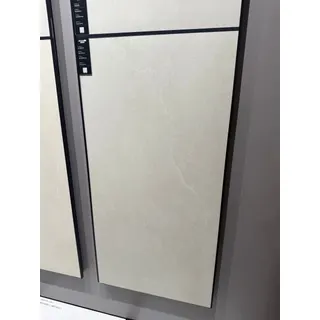
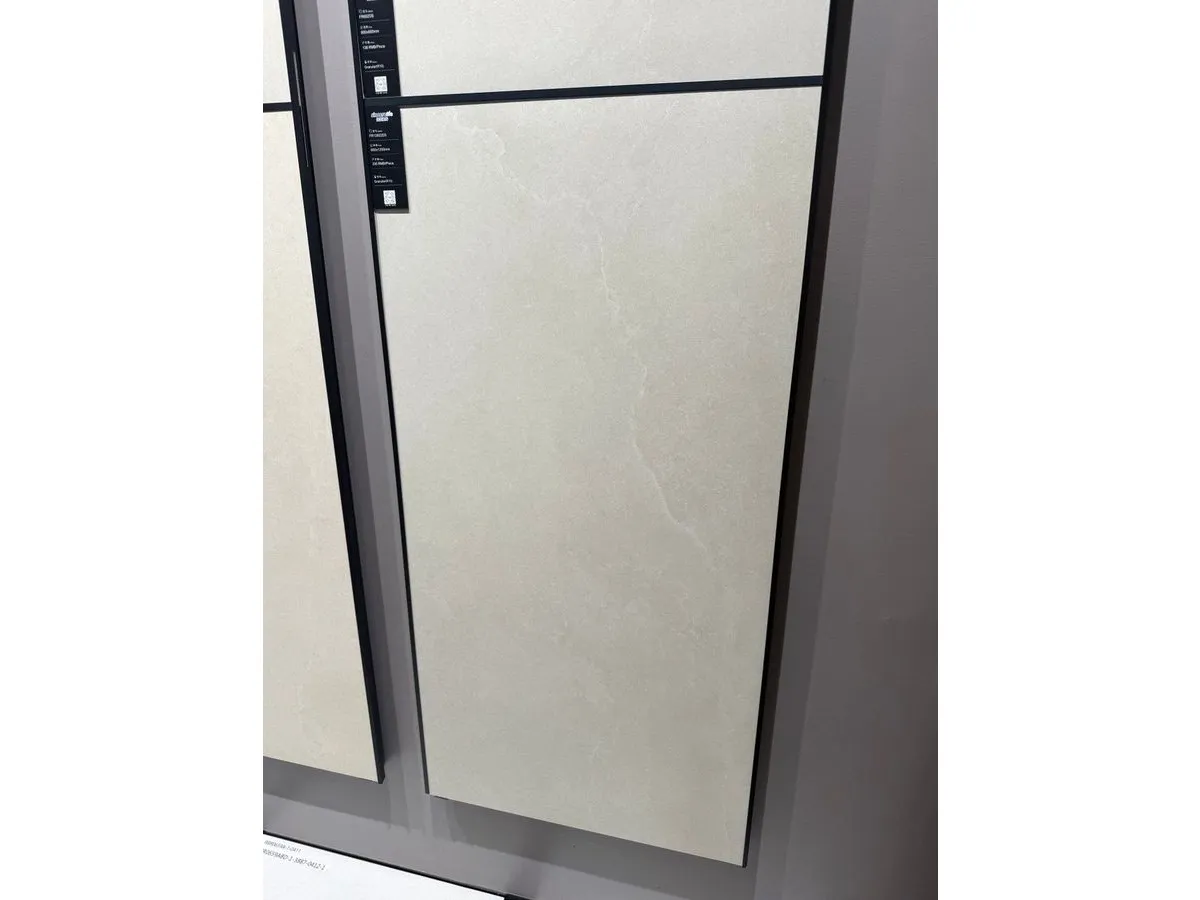
Beige Porcelain Tile 1200x600 mm, Matt Anti-Slip R10
1200 × 600 mmR10Beige 1200 × 600 mm porcelain, matt R10 anti-slip, for floors and walls, wet areas included.
Order on WhatsAppTZS 49,680pertile
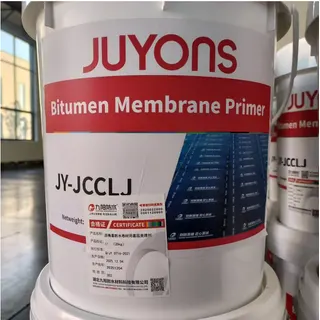
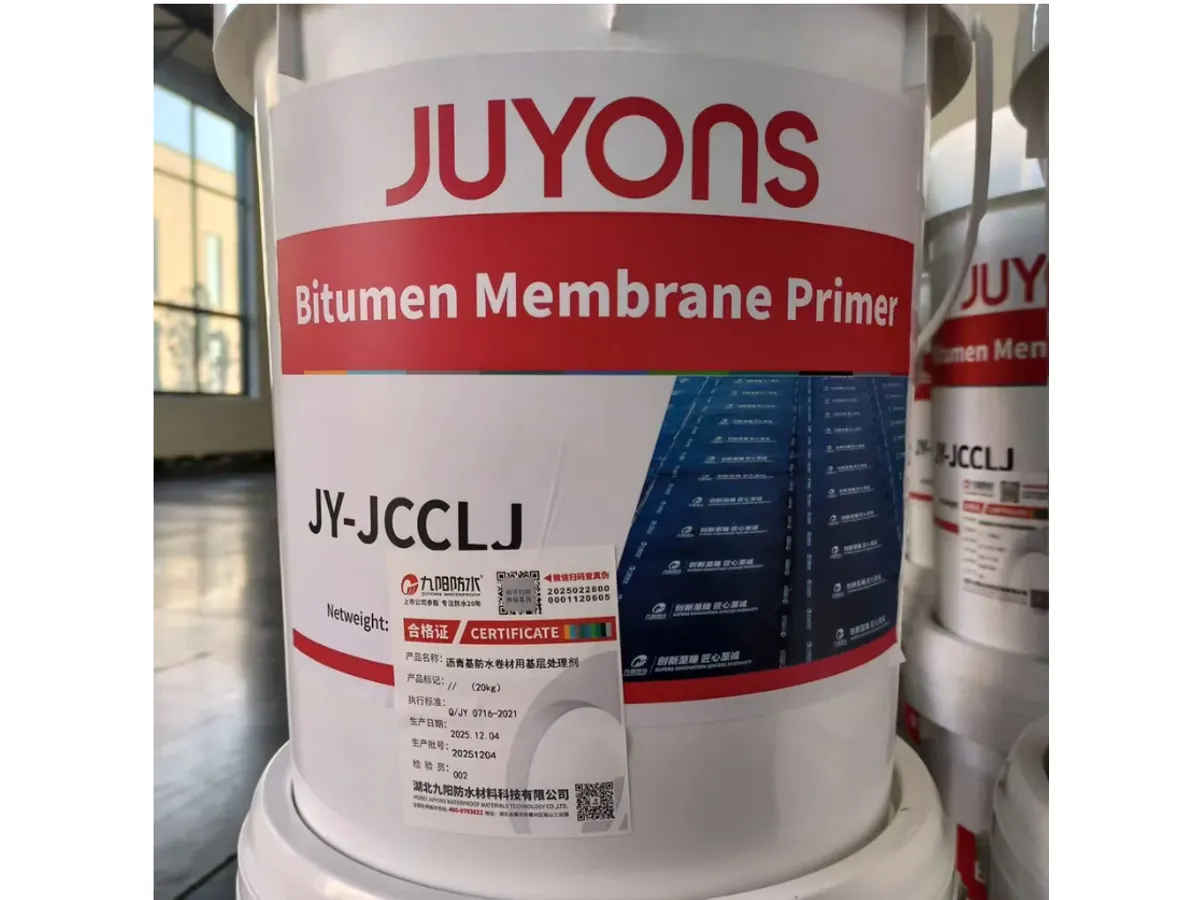
K11 Polymer Cement Waterproof Coating (Two-Component)
18 kg/barrelWaterproof layer for bathroom and kitchen floors that tiles are laid over.
Order on WhatsAppTZS 155,000perbucket




What tile adhesive is
Tile adhesive — tile glue adhesive in many shop listings — is a ready blend that bonds tiles to concrete, cement plaster or brick. Most kinds sold for floors and walls are cementitious: a grey or white powder that is mixed with clean water and spread with a notched trowel. Sika Tanzania’s tile setting range shows the two broad kinds side by side: a general-purpose cementitious adhesive, and polymer-modified adhesives for harder jobs.
Unlike a thick bed of sand and cement, tile adhesive goes on in a thin layer, so the tile sits flat and the floor height barely changes.
Tile adhesive classes: C1, C2, T, E, S1
Every bag sold to EN 12004 carries a code. Mapei’s guide to tile adhesives and their standards sets out what each letter means:
| Code | Meaning | Test figure in the standard |
|---|---|---|
| C | cementitious adhesive | — |
| C1 | normal adhesive | tensile adhesion at least 0.5 N/mm² |
| C2 | improved adhesive | tensile adhesion at least 1 N/mm² |
| T | reduced slip on walls | tile slides no more than 0.5 mm down the wall |
| E | extended open time | at least 0.5 N/mm² when the tile is placed 30 minutes after spreading |
| F | fast setting | — |
| S1 / S2 | deformable / highly deformable | flexible bed that tolerates movement |
A bag marked C2TE therefore meets twice the C1 minimum grip, limits slip on a wall to 0.5 mm and still bonds when a tile goes on 30 minutes after spreading.
Tile adhesives sold in Tanzania
Sika Tanzania lists four SikaCeram adhesives. Two have product pages with figures:
| Adhesive | Class stated | Where the maker says it goes | Coverage per 25 kg bag |
|---|---|---|---|
| SikaCeram-80 TZ | not stated | general purpose; very absorbent ceramic tiles on concrete, mortar or brick, laid indoors on floors; bed 2–5 mm; open time 20 minutes | about 5–7 m² |
| SikaCeram-205 Super TZ | C2TE | walls and floors, inside and outside; ceramic, earthenware and porcelain; large formats, wet areas, swimming pools, façades; over existing tiles | about 5–7 m² |
| SikaCeram-105 Multi | not given on the range page | polymer-modified, high performance | — |
| SikaCeram-108 Extra TZ | not given on the range page | water-repellent, polymer-modified | — |
Before comparing another brand with these, find its class code on the bag; without one, the two cannot be compared.
Which tile glue for which job
- Ceramic tiles indoors, floors. A general-purpose cementitious adhesive is made for this; SikaCeram-80 TZ names very absorbent ceramic tiles laid indoors.
- Porcelain and large formats. Porcelain absorbs almost no water, so the adhesive has to grip by its own strength. Sika lists porcelain and large formats for its C2TE product, and MZITO’s guide to tile adhesive in East Africa puts C2 against exterior, large-format and wet-area work. Kitovu’s Beige Porcelain Tile 1200x600 mm, Matt Anti-Slip R10, held in Zanzibar, is a tile of this kind.
- Walls. Look for T on the bag, so tiles stay put while the bed sets.
- Wet rooms and pools. Waterproof the surface first, then tile. The JUYONS data sheet for the K11 Polymer Cement Waterproof Coating (Two-Component), stocked by Kitovu in Zanzibar, says tiles can be laid over the cured coating; use an adhesive whose maker lists wet areas.
How much tile adhesive you need
Sika gives about 5–7 m² from a 25 kg bag for both its adhesives with product pages. That works out at roughly 3.6–5 kg per m² (our calculation: 25 ÷ 7 and 25 ÷ 5). The rate rises with tile size and with an uneven surface, because larger tiles need a deeper comb. A bathroom with 6 m² of floor and 18 m² of wall takes 24 m², or four to five bags (our calculation: 24 ÷ 7 = 3.4 and 24 ÷ 5 = 4.8, rounded up).
How to apply tile adhesive
The steps below follow Sika’s product pages for its Tanzanian adhesives:
- Prepare a sound, clean, dust-free base of concrete, cement mortar or brick.
- Mix the powder with clean water to a smooth paste; Sika gives about 6–7 litres of water per 25 kg bag of SikaCeram-80 TZ.
- Spread a 2–5 mm bed with a notched trowel — V-notch for small tiles, square notch for larger ones.
- Press each tile in while the adhesive is still tacky: within 20 minutes for SikaCeram-80 TZ at 25°C. Tiles can be adjusted for about 30 minutes. MZITO gives 20–40 minutes as the typical open time of quality adhesives.
- Grout once the adhesive has set; the tile grout page covers joint fillers.
Tile on tile adhesive
Tiling over old tiles saves breaking them out, but the old surface is smooth and does not absorb. SikaCeram-205 Super TZ lists existing tiles among its bases. Protiler Tools’ guide to tiling over tiles recommends an S1 adhesive and says the old tiles must be sound, firmly fixed and de-greased first. Glue on tiles that are loose or cracked will fail with them.
For sizes and grades of the tiles themselves, see floor tiles, wall tiles and the ceramic tile groups.
Questions
Is tile adhesive the same as cement?
No. Both set by hydration, but tile adhesive is a factory blend made for a thin bed of 2–5 mm, and the improved kinds contain polymers. Sika Tanzania describes its SikaCeram-205 Super TZ as polymer-modified and classed C2TE, a grade that a plain sand and cement mix does not carry.