


















Spray paint: how to get an even finish
Published · Updated
Spray paint is paint packed in a pressurised can and released as a fine mist, used on metal, wood, wicker and small items. The maker Krylon advises spraying in dry, calm weather with humidity below 60%, in several thin coats rather than one thick one.
In stock in Zanzibar
See all 11 products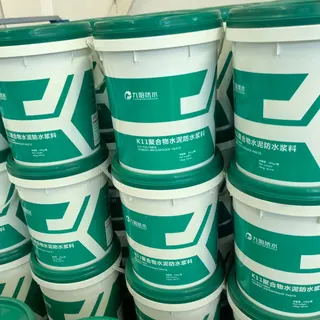
K11 Polymer Cement Waterproof Coating (Two-Component)
18 kg/barrelOrder on WhatsAppTZS 155,000perbucket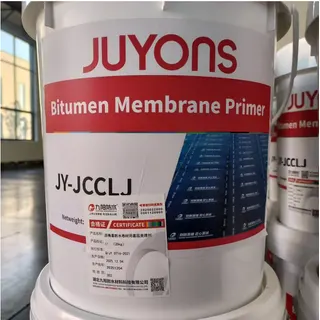
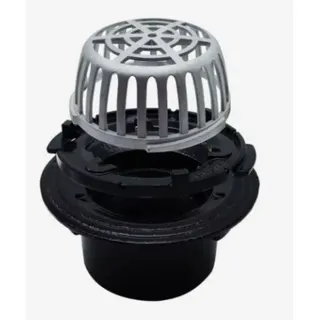
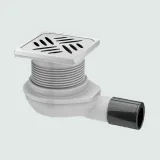
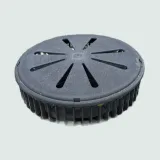
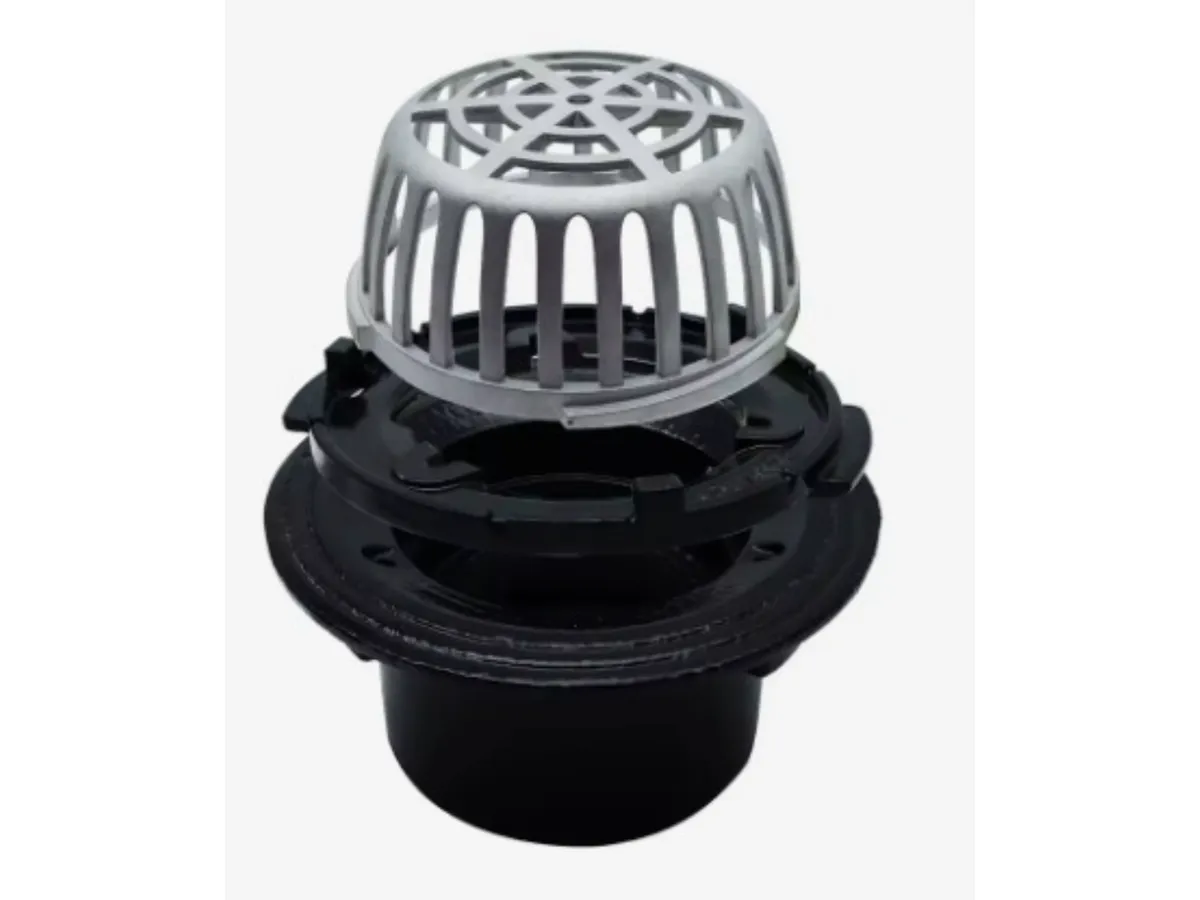
Flat Roof Drain with Dome Strainer for 110 mm Pipe
For 110 mm pipeOrder on WhatsAppTZS 159,900perpiece
What spray paint is
An aerosol can holds the paint under pressure, so a press of the valve breaks it into a fine spray. That makes it quick on furniture, décor and small items with edges and corners. Its weak point is the same mist: it drifts beyond the object.
Krylon’s guide to spray painting lists metal, wood and wicker among the surfaces its paints are made for. For a whole wall, a roller and emulsion paint do the job.
Where to spray
Krylon recommends working outdoors, or indoors only where ventilation is good, and wearing a painting mask either way. Spray mist travels — Krylon calls it overspray — so cover or move anything nearby that should stay clean, or use a spray booth.
Weather
Outdoors, the weather decides the finish. Krylon’s conditions, with our conversion of its Fahrenheit figures:
| Condition | Krylon’s advice | Why, per Krylon |
|---|---|---|
| Humidity | below 60% | high humidity slows drying and can cause condensation, then lifting or peeling |
| Temperature | 55–75°F (about 13–24°C, our conversion) unless the can says otherwise | outside the range paint can set too fast and trap air bubbles |
| Sun | avoid direct sunlight | same risk of setting too fast |
| Wind | avoid windy days; if breezy, keep the wind at your back | wind scatters the spray and spoils coverage |
The ideal day, in Krylon’s words, is dry with little wind, low humidity and some cloud. In hot, humid weather it advises waiting.
Preparing the surface
A smooth finish needs a clean surface. Krylon’s steps:
- Remove loose paint, rust and old coatings with a wire brush or sandpaper.
- Wipe the surface with a damp rag to lift dust and debris.
- Let it dry completely.
Some spray paints are sold as all-in-one and need no sanding or primer; others do, so check the can. For bare steel, an anticorrosive primer such as red oxide is made to go under a top coat, according to its maker’s data sheet.
Spraying technique
Krylon’s five tips for an even coat:
- Read the can first — it gives the drying time and other instructions.
- Hold the can at the distance printed on it; too close causes drips.
- Build up several thin coats rather than one thick coat.
- Start each pass beside the object and finish beyond it, releasing the valve at the end of every pass.
- Move in a smooth, even sweep, overlapping each pass by about one third.
Repeat the passes until the colour is even.