







Red oxide primer for steel and iron
Published · Updated
Red oxide paint is an anticorrosive primer for steel and iron: red iron oxide pigment in a resin binder, applied before the top coat. The data sheet for Coral Red Oxide Primer, sold in Tanzania, gives a theoretical 8–10 m² per litre and asks for an overnight wait before overcoating at 30°C.
In stock in Zanzibar
See all 11 products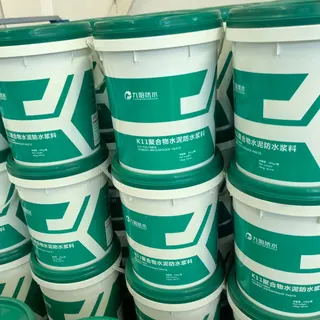
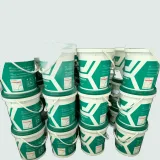
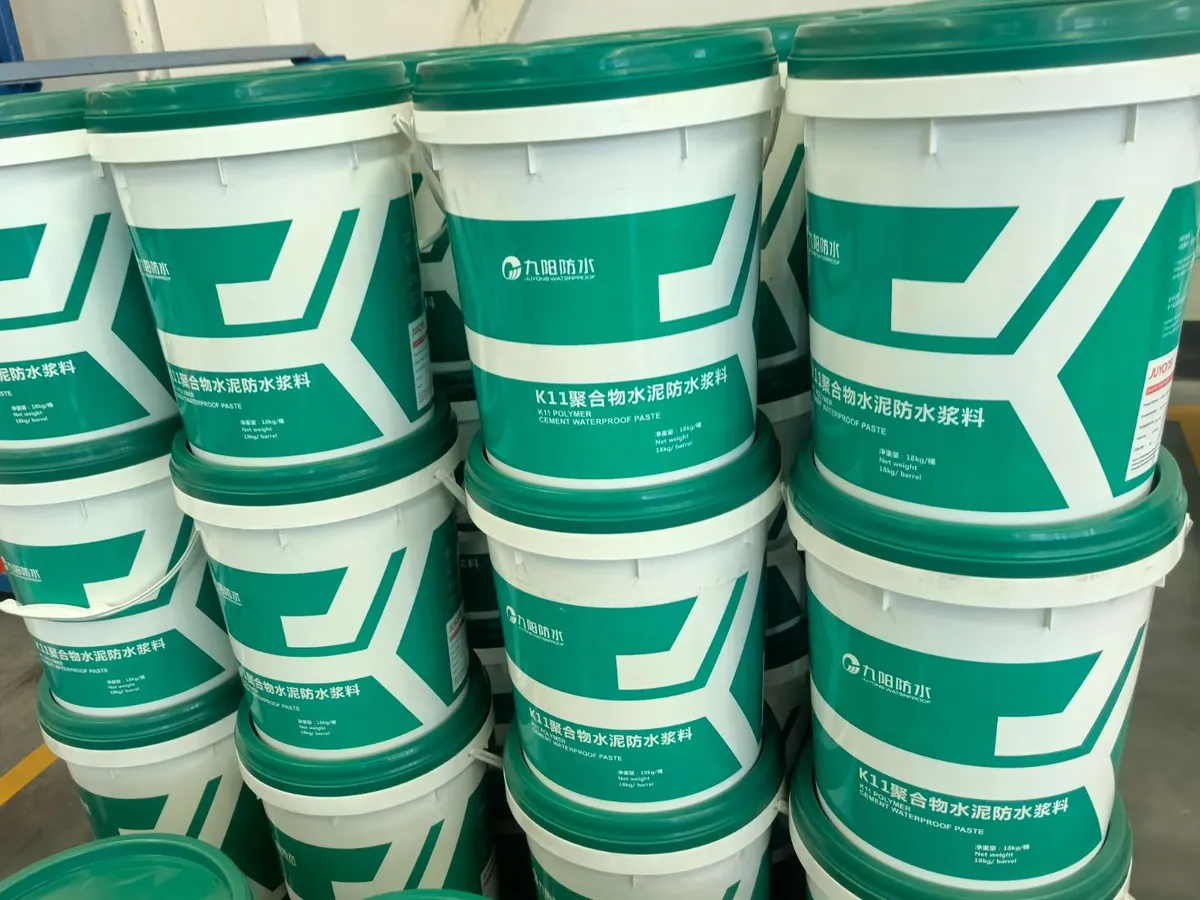
K11 Polymer Cement Waterproof Coating (Two-Component)
18 kg/barrelOrder on WhatsAppTZS 155,000perbucket
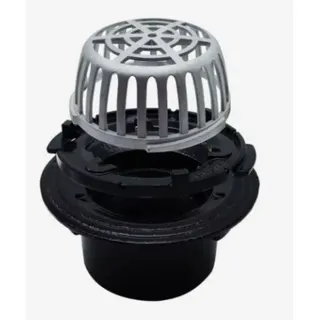
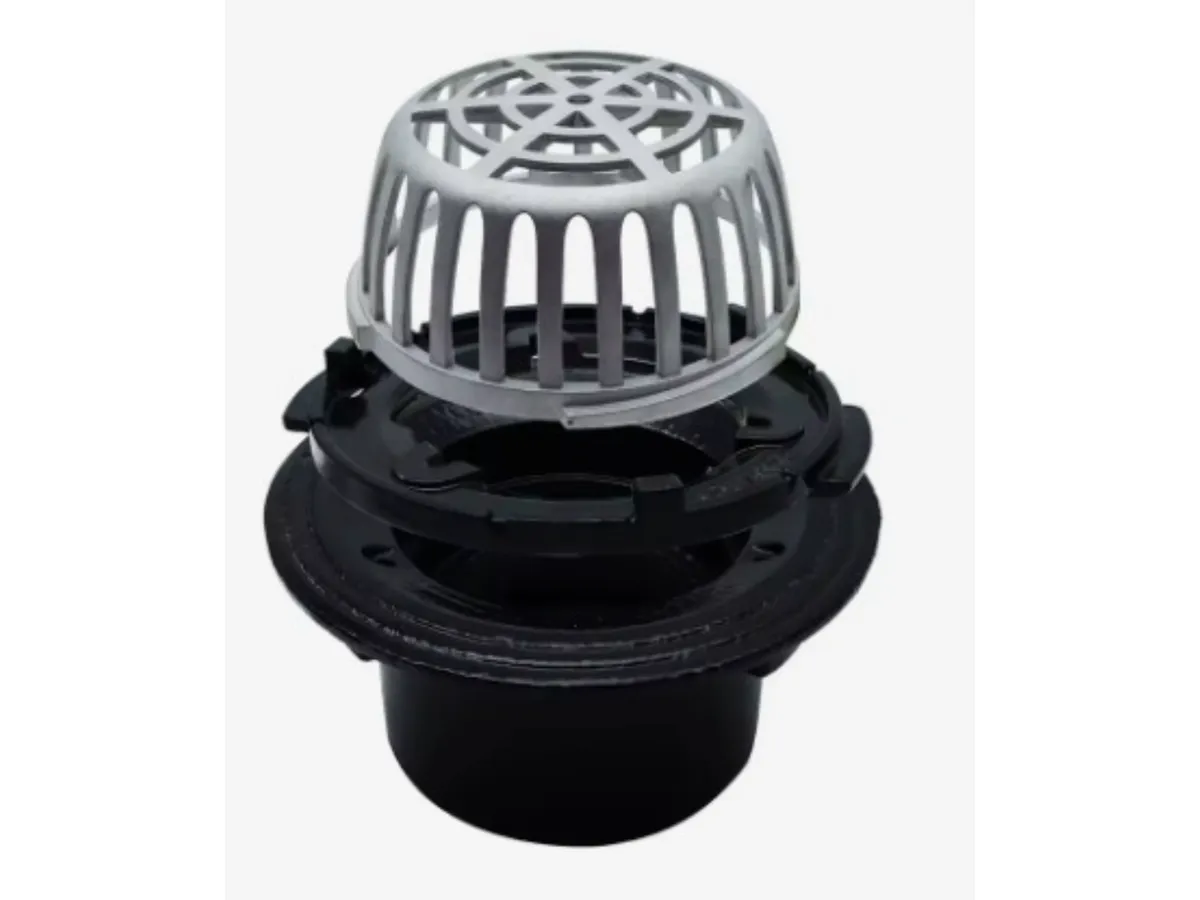
Flat Roof Drain with Dome Strainer for 110 mm Pipe
For 110 mm pipeOrder on WhatsAppTZS 159,900perpiece
What red oxide paint is
Red oxide is a primer, not a finish. Its colour comes from red iron oxide pigment, and its job is to sit between bare metal and the top coat: it slows rust and gives the finish something to grip. The Indian maker Witmans describes the recipe as red iron oxide pigment mixed into a binder — alkyd resin or an acrylic emulsion — with drying agents and extenders.
In Tanzania, Coral Paints sells one as Coral Red Oxide Primer. Its maker, Insignia Limited, calls it a general-purpose metal primer for use under an alkyd top coat.
Coral red oxide primer by data sheet
The Coral Red Oxide Primer data sheet (code CSP 1, issued 1 June 2021) gives these figures:
| Item | Coral Red Oxide Primer |
|---|---|
| Binder and pigment | synthetic resin with red oxide pigments |
| Finish | red, smooth matt, high-build |
| Packs | 0.25, 0.5, 1 and 4 litres |
| Theoretical coverage | 8–10 m² per litre |
| Thinner | Coral T-100 / gloss thinner; up to 8–10% by volume for spraying |
| Application | brush or roller; spray with a 1.3–1.6 mm tip at 50 psi (about 3.4 bar, our conversion) on a conventional gun |
| Coats | one coat in the recommended system |
| Contents | no added lead, mercury, arsenic or chromates, according to Insignia |
The data sheet rates the primer for corrosion protection in both coastal and inland conditions.
Where it is used
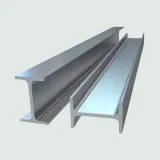
Insignia lists steelwork, other metal structures and non-ferrous metals, and adds wood and general household items. Witmans names structural steel beams, columns and frames — sections such as I-beams and H-beams — along with fences, railings and metal roofs.
Preparing the steel
The surface has to be clean, dry and free of dust, oil and grease, and any release or curing agents removed. Insignia recommends a light sanding with a suitable abrasive, then removing the dust before priming. Witmans washes oil and grease off with a detergent solution and fresh water before priming its own product.
Applying and drying
Conditions matter as much as the paint. Coral’s data sheet asks for a surface at least 10°C and at least 3°C above the dew point of the surrounding air, so that no condensation forms under the film, and for good ventilation in confined spaces. At 30°C and 50% relative humidity it gives:
- surface dry in 4–5 hours;
- hard dry in 16–18 hours;
- ready for the top coat after overnight drying.
Witmans gives a dry film of 20–25 microns per coat for its primer.
Top coats
The primer is only half the system. Insignia warns against putting an unrecommended top coat on red oxide, and suggests lightly sanding a glossy coat before the next gloss coat goes on. Its own Coral range includes a high gloss enamel for primed wood or metal; for small metal items, spray paint is another way to put on a top coat, following the can’s instructions. For walls and ceilings rather than metal, the paint is emulsion.