











































PVC cement: how solvent welding joins pipes and fittings
Published · Updated
PVC solvent cement, often sold as PVC glue, does not stick a pipe into its fitting: it softens both surfaces so they fuse into one. Henkel's data sheet for Tangit PVC-U allows 4 minutes to join the parts at 20°C and 24 hours before the line is filled or put under a pressure test.
In stock in Zanzibar
See all 11 products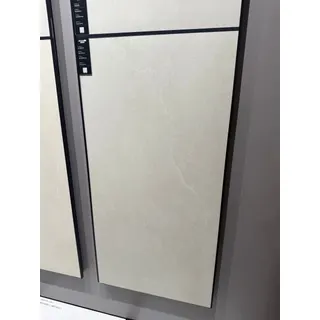
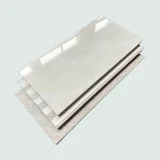
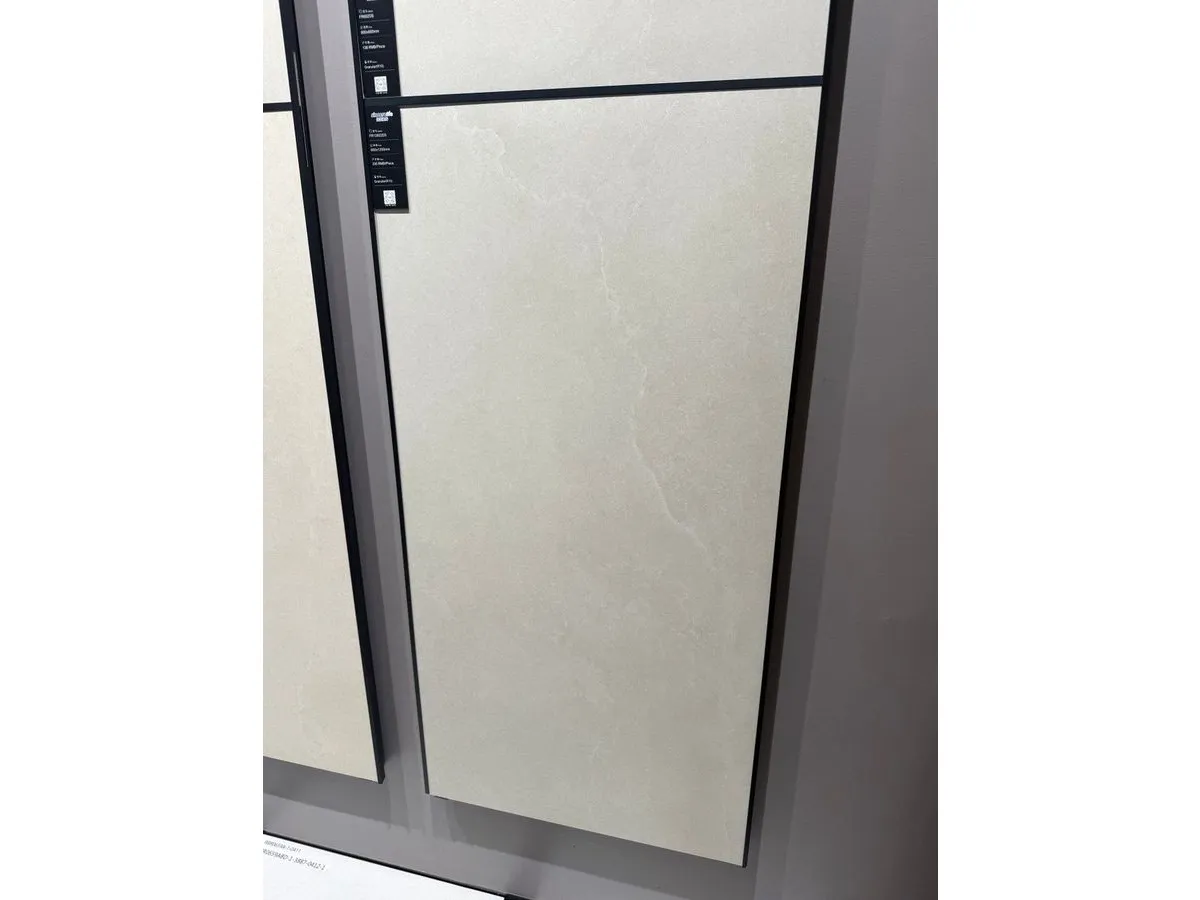
Beige Porcelain Tile 1200x600 mm, Matt Anti-Slip R10
1200 × 600 mmR10Order on WhatsAppTZS 49,680pertile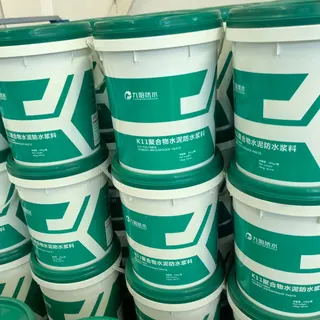
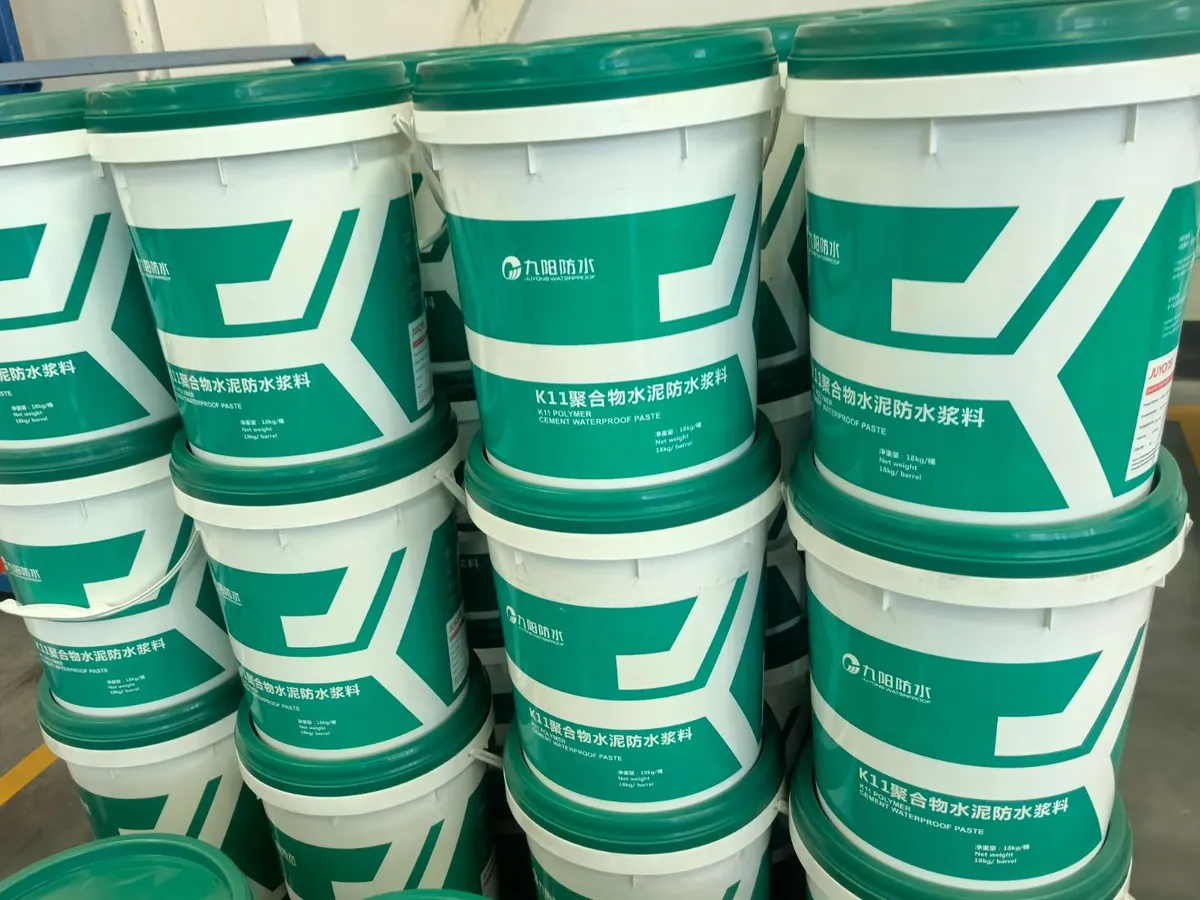
K11 Polymer Cement Waterproof Coating (Two-Component)
18 kg/barrelOrder on WhatsAppTZS 155,000perbucket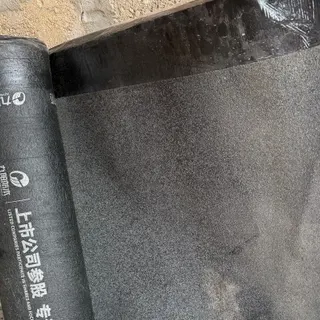
What PVC solvent cement is
PVC cement is a solvent-based adhesive. Brushed onto a pipe end and the inside of a fitting, it softens both surfaces, and as the joint cures the two fuse into a single continuous piece, as Oatey describes it. The result is one piece of plastic rather than two parts held by glue, which is why the method is called solvent welding.
Henkel’s Tangit Special Adhesive data sheet (May 2024) describes a typical product: a tetrahydrofuran (THF) based cement for PVC-U pressure pipes to EN 1452 and non-pressure soil and waste pipes to EN 1329, meeting EN 14814 for pressure and EN 14680 for non-pressure systems. It fills gaps left by pipe tolerances of up to +0.6 mm, must never be thinned, and attacks PVC-U itself, so spills should be kept off pipes and fittings.
PVC, CPVC and ABS cement
Solvent cement is made for one plastic at a time. Oatey’s guide to solvent cement separates PVC cement, CPVC cement for the hot and cold water pipe that carries a higher temperature rating, ABS cement, and all-purpose cements for joining different plastics. Henkel’s South African Tangit PVC-U Cement is rated for both PVC and ABS, for water pipes, electrical conduit and gas piping, with a service range of −30°C to +60°C.
Choose the cement for the pipe in hand: rigid PVC pipes and fittings for water and pressure take PVC-U cement, and drainage pipes for soil and waste take a cement rated for non-pressure systems.
How to make a solvent-welded joint
The steps follow Henkel’s Tangit Special Adhesive instructions:
- Cut the pipe square, then chamfer and deburr the end; Henkel says no tight joint is possible without a proper chamfer.
- Measure how deep the pipe goes into the fitting and mark that depth on the pipe.
- Clean the pipe end and the inside of the socket with the cleaner on white tissue paper, using a fresh piece each time, and let them dry.
- Stir the PVC glue. Brush it along the axis, thinly inside the socket and generously on the pipe end, so no bead forms inside the pipe.
- Push the pipe straight in to the mark at once, without twisting, and hold it for a few seconds.
- Wipe off squeezed-out cement with tissue straight away.
Henkel’s insertion depths for common pipe sizes:
| Pipe outside diameter | Insertion depth |
|---|---|
| 16 mm | 14 mm |
| 20 mm | 16 mm |
| 25 mm | 19 mm |
| 32 mm | 22 mm |
| 50 mm | 31 mm |
| 63 mm | 38 mm |
| 110 mm | 61 mm |
| 160 mm | 86 mm |
Open time and waiting before pressure
The open time is the window between starting to brush and pushing the pipe home, and it shortens fast as the air warms. With a 1 mm film of PVC cement glue, Henkel gives:
| Temperature | Open time |
|---|---|
| 20°C | 4 minutes |
| 25°C | 3 minutes |
| 30°C | 2 minutes |
| 40°C | 1 minute |
| above 40°C | under 1 minute |
At 30°C a joint therefore has half the working time it has at 20°C, and on large pipes Henkel has two people apply cement to pipe and socket at once. After joining, the pipes must not be moved for 5 minutes, or 15 minutes below +10°C. Henkel lowers bonded pipe into a trench after 10–12 hours and waits 24 hours before filling the line or running a leak test at up to 1.5 times its nominal pressure. Before full operating pressure, the wait is at least 1 hour per bar: a 10-bar line needs 10 hours (our calculation). Flush the line before use to clear solvent vapour.
Henkel’s South African sheet for Tangit PVC-U Cement sets a similar rhythm: hold each joint for 10 seconds, leave 5 minutes before making the next joint, and wait 24 hours, when the cement reaches full strength, before applying pressure.
Primer and cleaner
The two systems differ here. Oatey’s primer softens the surface before the solvent cement goes on, and Oatey writes that US plumbing codes require it for PVC and CPVC, though not for ABS. Henkel’s Tangit system uses a cleaner instead, to remove dirt and grease before cementing. Use whichever pre-treatment the maker of your cement specifies; Birla NU, an Indian pipe maker, warns that cold or damp conditions slow the bond.
What to check when you buy PVC cement
- Plastic. PVC-U, CPVC or ABS on the tin, matching your water pipe or drain.
- Standard. EN 14814 for pressure pipe and EN 14680 for non-pressure pipe on European-standard cements.
- Gap filling. Tangit Special Adhesive bridges up to 0.6 mm; Henkel’s South African Tangit PVC-U cement gives 0.8–1.0 mm.
- Pack size. Tubes for small repairs, tins with a brush for pipework; Henkel sells 50 and 100 ml tubes and 250 ml, 500 ml and 1 litre tins.
- Shelf life. Henkel gives 12 months for tubes and 24 months for unopened tins; Oatey gives up to three years for PVC and ABS cement and up to two for CPVC, stored at 40–110 °F (4–43°C, our conversion).
- Pre-treatment. Buy the cleaner or primer named on the tin with it.
Questions
What is the difference between primer and solvent cement?
Oatey explains that primer prepares and softens the plastic surface, while the solvent cement fuses pipe and fitting into a permanent, watertight joint. Henkel's Tangit system uses a cleaner on the surfaces before the cement instead.
Do I always need to use primer before solvent cement?
Not with every cement. Oatey says US plumbing codes require primer for PVC and CPVC but not for ABS, and that single-step cements rated for no primer are the exception. Follow the instructions on the tin you buy.
How long should PVC solvent cement cure before use?
For Tangit PVC-U, Henkel asks for 24 hours before the pipe is filled or given a leak test at up to 1.5 times the nominal pressure, and at least 1 hour per bar before it carries full operating pressure.