













































































































Pattex glue: how to use Pattex contact adhesive
Published · Updated
Pattex glue is Henkel's solvent-based contact adhesive made of polychloroprene rubber. It is spread on both surfaces, left 10–15 minutes until dry to the touch and then pressed together, bonding at once; Henkel's South African data sheet gives a consumption of 250–350 g/m² and heat resistance up to 110°C.
In stock in Zanzibar
See all 11 products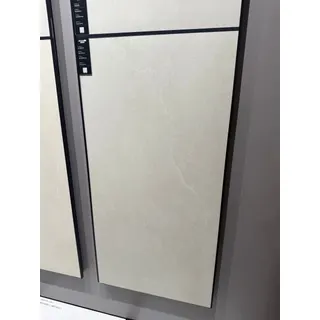
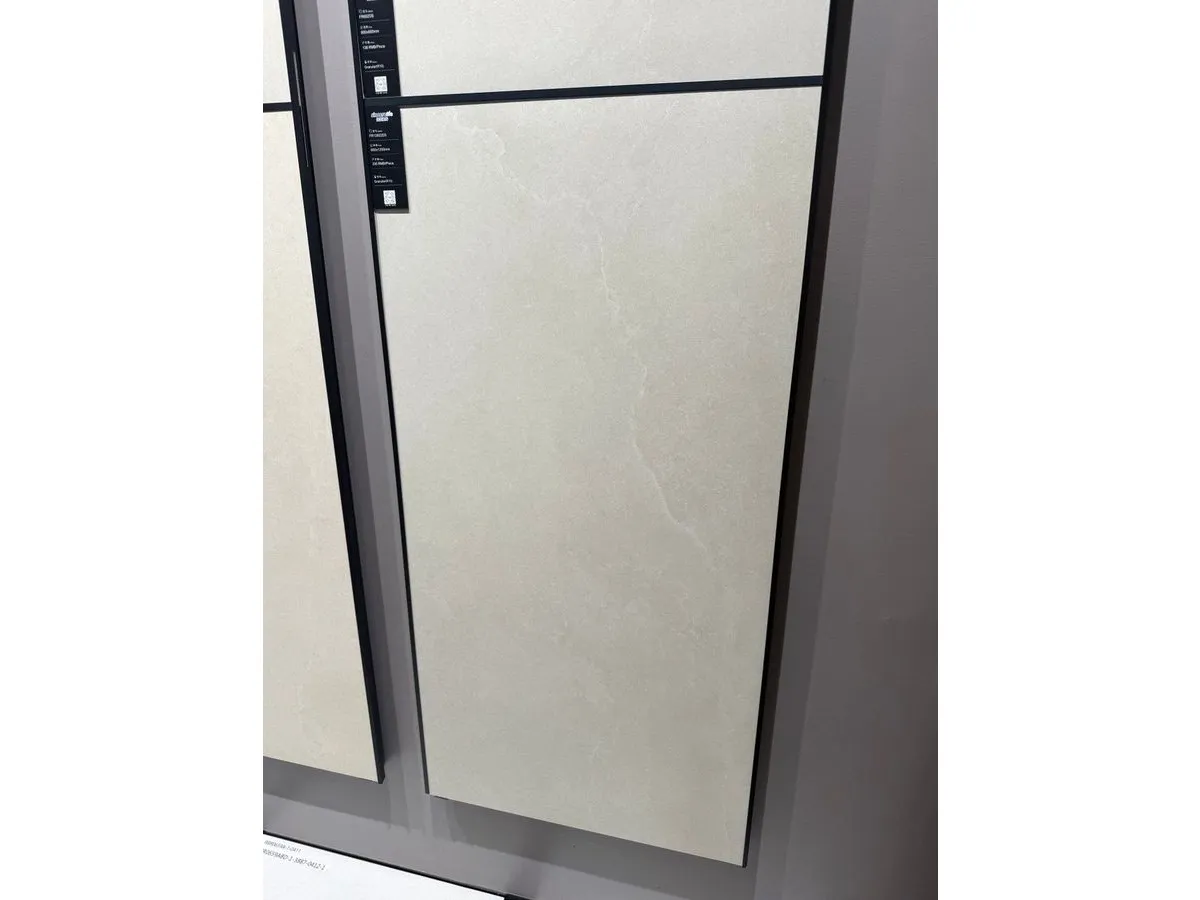
Beige Porcelain Tile 1200x600 mm, Matt Anti-Slip R10
1200 × 600 mmR10Order on WhatsAppTZS 49,680pertile
K11 Polymer Cement Waterproof Coating (Two-Component)
18 kg/barrelOrder on WhatsAppTZS 155,000perbucket




What Pattex glue is
Pattex is a brand of the German adhesives group Henkel, and in hardware shops the name usually means its contact adhesive, sold in tubes and tins. Henkel’s data sheet for Pattex Contact Adhesive Classic describes a one-part polychloroprene contact adhesive: a synthetic rubber dissolved in solvent, which is why it smells of solvent and must be left to dry before the parts meet.
A contact adhesive works differently from wood glue. Both surfaces get a coat, the solvent evaporates, and the two dry films grip each other the moment they touch. That gives instant strength without clamps, which suits laminates, rubber and leather; for close-fitting timber joints that can be clamped, a PVA wood glue is made for the job.
What it bonds and what it does not
Henkel’s South African Pattex Contact Adhesive data sheet (September 2025) lists:
- Bonds: wood-based boards with decorative laminates such as Formica, rubber, leather, cork, felt, rigid PVC, soft foams and metal; soundproofing, insulating and acoustic panels; veneer strips on edges and curves.
- Does not bond: polyethylene, polypropylene, expanded polystyrene, synthetic leather and plasticised PVC.
Check that list before bonding foam insulation or soft plastics. Rigid PVC sheet is fine, but PVC pipes are joined with a PVC solvent cement, not with contact adhesive.
How to use contact adhesive
Henkel’s directions for Pattex Contact Adhesive, shortened:
- Make sure the materials are dry (wood at 8–12% moisture) and free of grease and dust. Clean laminates and metal with washing benzine; roughening the surface increases the bond.
- Spread the Pattex glue generously and evenly on both surfaces, especially at the edges, with a notched spatula or a short-bristle brush.
- Let the solvent evaporate for 10–15 minutes at 18–25°C, with fresh air in the room. The film must be dry to the touch and not stringy; porous materials may need a second coat.
- Join the parts within 2 hours. Align them carefully first: once the two films touch, they cannot be moved.
- Press hard, briefly. Henkel stresses that the bond depends on how hard you press, not how long; a few seconds is enough. On large panels use a press at 3 bar (0.3 N/mm²) or a roller, working from the centre outwards so no air is trapped.
The work-piece can be handled straight after pressing. Tools are cleaned with thinner or washing benzine.
Two Pattex data sheets compared
Henkel sells Pattex contact adhesive under slightly different names in different markets, and the data sheets differ:
| Pattex Contact Adhesive (South Africa, 2025) | Pattex Contact Adhesive Classic (UAE) | |
|---|---|---|
| Base | solvent-based polychloroprene rubber | polychloroprene, toluene-free |
| Drying before joining | 10–15 min | 10–20 min; open time 10 min at 20°C |
| Working temperature | +18°C to +25°C | +5°C to +40°C |
| Heat resistance | up to 110°C | up to 110°C |
| Consumption | 250–350 g/m² | 200–250 g/m² |
| Strength | final strength after 3 days | full strength typically after 60 minutes |
| Packs | 50 g and 125 g tubes; 250 ml and 500 ml tins | 50 g tube |
| Shelf life | 24 months, stored at +5°C to +30°C | 24 months |
Read the data sheet for the exact product on the shelf; the strength time in particular differs by a wide margin between the two.
How much you need
Coverage is given by weight. A 500 ml tin of the South African Pattex holds about 430 g at its stated density of 0.84–0.88 g/cm³, which covers roughly 1.2 to 1.7 m² at 250–350 g/m² (our calculation: 500 × 0.86 = 430 g; 430 ÷ 350 and 430 ÷ 250). Absorbent materials that need two coats use more.
What to check when you buy
- Product name and data sheet. Contact adhesive, not a universal or super glue from the same brand.
- Materials. Your two surfaces on the list of what it bonds; polyethylene, polypropylene, polystyrene foam and soft PVC are excluded.
- Quantity. Tin size against the area: about 1.2–1.7 m² from a 500 ml tin at Henkel’s South African figures.
- Temperature. The working range on the tin, and heat resistance up to 110°C if the bond sits near heat.
- Ventilation. It is solvent-based, so plan for fresh air while it dries.
- Other jobs. Joints that must keep out water call for a sealant tape, not contact adhesive.