













































































































Cornice for ceilings: types, sizes and fixing
Published · Updated
A cornice is a moulding that runs along the joint between the walls and the ceiling. British Gypsum makes its Gyproc cove and cornice from a gypsum core in a paper liner, in 3 m and 3.6 m lengths, and says 1 kg of its cove adhesive fixes about 4 m.
In stock in Zanzibar
See all 11 products
K11 Polymer Cement Waterproof Coating (Two-Component)
18 kg/barrelOrder on WhatsAppTZS 155,000perbucket


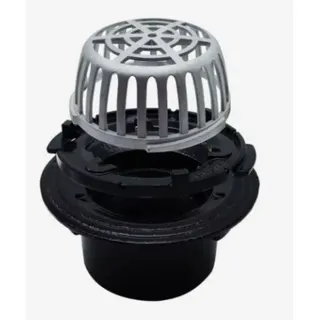
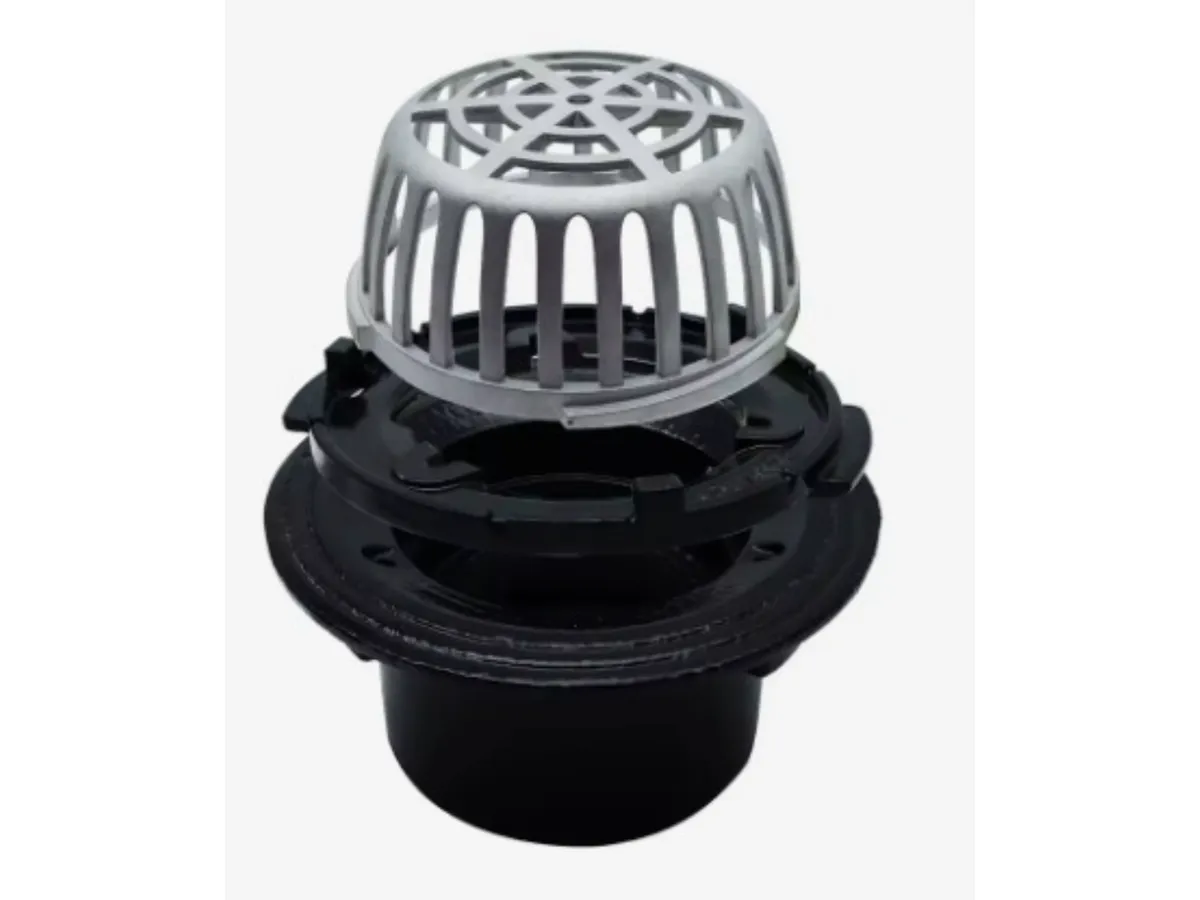
Flat Roof Drain with Dome Strainer for 110 mm Pipe
For 110 mm pipeOrder on WhatsAppTZS 159,900perpiece




What a cornice is
A ceiling cornice closes the corner between wall and ceiling with a shaped strip. According to London firm Ovolo, the moulding can be plain or highly ornate, and plain cornicing is often called coving. Exterior cornices exist too, and they have a practical job: to throw rainwater clear of the wall.
British Gypsum lists working uses for the interior kind as well: its mouldings can hide the cable tracks of indirect lighting and mask small settlement cracks where the wall meets the ceiling.
Cornice materials
| Material | Example | Size given by the seller |
|---|---|---|
| Gypsum in a paper liner | Gyproc Cove 127, Gyproc Cornice 135 | 3000 and 3600 mm lengths |
| Expanded polystyrene (EPS) | plain EPS cornice C-002 | 12 × 125 mm, 2 m long, sold each |
| Cast plaster | CR 233 to CR 261 profiles | projection 62–175 mm, depth 100–180 mm |
South African maker Mr Cornice sells its whole range per 2 m length. Prices in that market are in rand and are not a guide to Tanzanian prices.
Gypsum cornice sizes
A gypsum profile is measured by its girth on the wall and on the ceiling, not only by its name. The British Gypsum data sheet (PDS-119-03) gives:
| Product | Profile | Lengths | On the wall | On the ceiling |
|---|---|---|---|---|
| Gyproc Cove 100 | C-shaped | 3000 mm | 67 mm | 67 mm |
| Gyproc Cove 127 | C-shaped | 3000 and 3600 mm | 83 mm | 83 mm |
| Gyproc Cornice 135 | S-shaped | 3000 mm | 84 mm | 92 mm |
According to the same data sheet, the products meet EN 14209 for preformed plasterboard cornices and have a reaction to fire of A2-s1, d0.
Fixing a gypsum cornice
The data sheet lists the tools — a mitre box for the profiles, a fine-toothed cove saw, pencil and tape — and gives these working figures for Gyproc Cove Adhesive:
- Use the mixed adhesive within about 40 minutes; it sets hard in 90 to 120 minutes.
- Count roughly 1 kg of adhesive for every 4 m of moulding.
For a room of 4 × 5 m, the perimeter is 18 m: that is six 3 m lengths and about 4.5 kg of adhesive (our calculation from the data sheet figures), before any allowance for mitres at the corners.
Cornice on a gypsum ceiling
On a board ceiling, the moulding sits on the junction where the gypsum board meets the wall — the place British Gypsum describes for its range. For the round moulding around a light, see ceiling rose; for a ceiling of plastic strips instead of boards, see PVC ceiling.
Cornice in Zanzibar
Kitovu sells from stock in Zanzibar, and none of the mouldings on this page are among its products.
Questions
What is cornicing?
Mouldings that run along the top of interior walls where they meet the ceiling. Ovolo, a London firm, notes that plain profiles are usually called coving and the word cornicing is kept for more ornate ones.
What is a cornice on a house?
Inside, a moulding at the wall–ceiling junction. Outside, a projecting band at the top of a wall, which besides decoration directs rainwater away from the wall below, as Ovolo explains.