













































































































Chequered plate: steel, stainless and aluminium tread plate
Published · Updated
Chequered plate is a metal sheet with a raised pattern pressed into one face for grip underfoot. Grating maker KH Mesh calls 3.0 to 5.0 mm mild steel plate the medium-duty range for stair treads, walkways and platforms, and gives a 4 mm diamond plate a weight of 33.4 kg per square metre.
In stock in Zanzibar
See all 11 products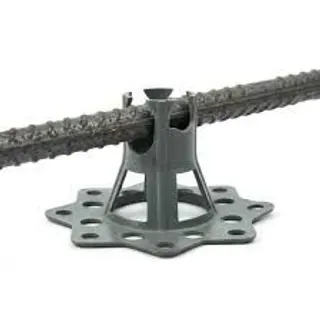
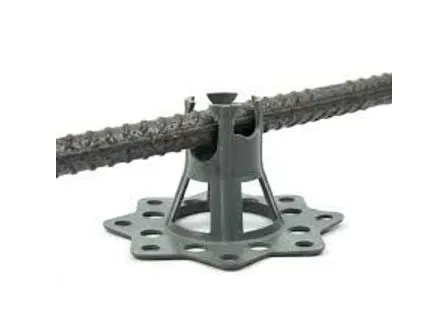
Plastic Rebar Chairs with Base (Rebar Spacers)
Plastic chairs that keep rebar and mesh at the set height above the formwork.
Order on WhatsAppTZS 2,630perpiece
Polypropylene Fibre for Concrete and Mortar
Order on WhatsAppTZS 15,100perkg


K11 Polymer Cement Waterproof Coating (Two-Component)
18 kg/barrelOrder on WhatsAppTZS 155,000perbucket




What chequered plate is
Chequered plate goes by many names. UK stockist Buy Metal Online lists checker plate (also spelt checkered plate), diamond plate, tread plate and durbar plate as the same thing: steel or aluminium sheet with a raised pattern on one side that gives grip underfoot, the other side left smooth. It explains that the pattern is either stamped onto rolled metal or formed on a heated sheet.
The plate is made in Tanzania as well. Lodhia Industries describes its chequered plates as steel plates with a raised check pattern that reduces slipping in wet, oily or busy areas, made in a range of thicknesses and sizes, and suitable for welding, bending and cutting.
Chequered plate materials
| Material | Grade named by the source | Typical use named by the source |
|---|---|---|
| Mild steel | S275JR to EN 10025, hot rolled (The Metal Store); S235JR, SS400 or ASTM A36 (KH Mesh) | stairs, walkways, platforms, bridges, containers, commercial vehicles |
| Stainless steel | 304 or 316 (KH Mesh) | marine and humid outdoor sites; vehicle, industrial and freezer floors |
| Aluminium | five-bar tread plate (The Metal Store) | vehicle floors, loading ramps, trench covers, light platforms |
Mild steel plate is sold black or galvanised, KH Mesh notes, the galvanised finish for corrosion resistance.
Diamond or five-bar pattern
KH Mesh describes two classic patterns. The diamond pattern is the mainstream one, with a balance of grip and load capacity. The five-bar pattern gives better drainage and grip where floors are wet or oily.
Chequered plate thickness and weight
The thickness of a chequered plate is the base plate, not counting the raised pattern. KH Mesh grades it this way, with sheet widths of 1000 to 2000 mm and lengths of 2000 to 6000 mm:
| Base thickness | Duty | Uses named by KH Mesh | Weight, mild steel diamond plate |
|---|---|---|---|
| 2.0–2.5 mm | light | cladding, trim, low-traffic indoor floors | 21.6 kg/m² at 2.5 mm |
| 3.0–5.0 mm | medium | stair treads, factory walkways, platform floors, truck floors | 25.5 kg/m² at 3 mm; 33.4 at 4 mm; 42.3 at 5 mm |
| 6.0–12.0 mm | heavy | port platforms, heavy machinery floors, ramps | — |
The pattern adds weight to the plain plate: KH Mesh’s base figure for mild steel is 7.85 kg/m² per millimetre of thickness, plus the pattern. A 1000 × 2000 mm sheet of 4 mm diamond plate therefore weighs about 67 kg (our calculation: 2 m² × 33.4 kg/m²).
Where it is used
- Stairs and walkways — stair treads, landings and industrial walkways, named by The Metal Store and Lodhia.
- Platforms and ramps — industrial floors, loading ramps and construction platforms, according to Lodhia.
- Vehicles — truck floors, named by KH Mesh, and the inside of commercial vans, named by The Metal Store.
- Walls — protecting walls and shopfitting, The Metal Store adds.
For drain and trench covers in steel, see manhole covers.
What to check when you buy
- Base thickness, measured without the pattern, and the sheet size.
- Material and grade — mild steel S235JR or S275JR, stainless 304 or 316, or aluminium.
- Pattern — diamond or five-bar, depending on how wet or oily the floor will be.
- Finish — black or galvanised steel.
- Weight per sheet, for lifting and for the frame that carries it.
Chequered plate in Zanzibar
Kitovu sells from stock in Zanzibar, and chequered plate is not among its products. For other steel sections, see flat bar and square pipe and hollow sections.