













































































































Ceramic
Published · Updated
Ceramic is clay shaped and hardened by firing in a kiln. On a building site the word usually means ceramic tiles, which EN 14411 sorts by how much water the body absorbs: from 0.5% or less for porcelain to more than 10% for porous wall tiles. That figure decides where a tile can go.
In stock in Zanzibar
See all 11 products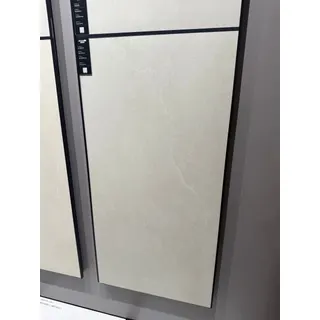
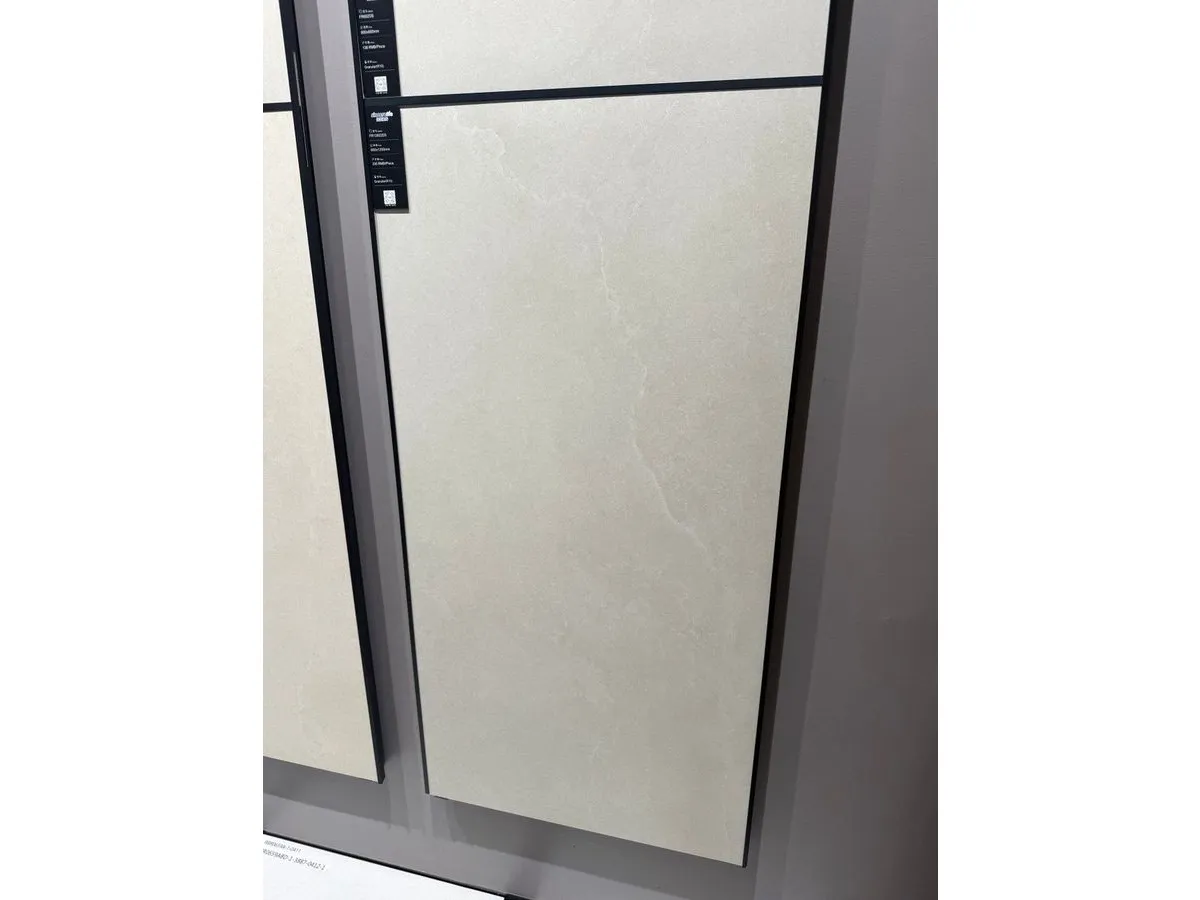
Beige Porcelain Tile 1200x600 mm, Matt Anti-Slip R10
1200 × 600 mmR10Beige 1200 × 600 mm porcelain, matt R10 anti-slip, for floors and walls, wet areas included.
Order on WhatsAppTZS 49,680pertile
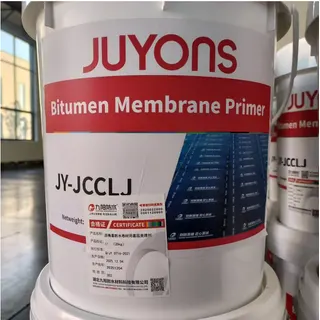
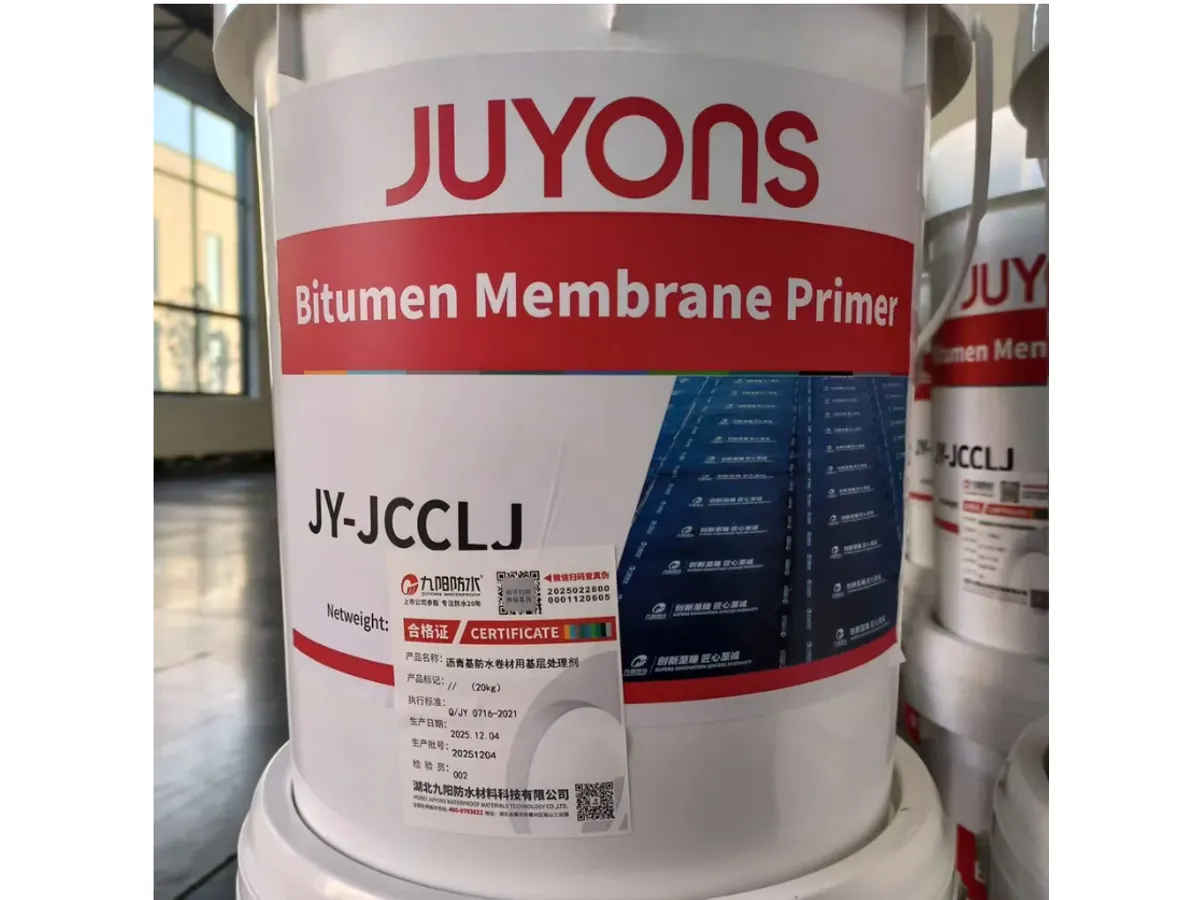
K11 Polymer Cement Waterproof Coating (Two-Component)
18 kg/barrelWaterproof layer for bathroom and kitchen floors that tiles are laid over.
Order on WhatsAppTZS 155,000perbucket




What ceramic is
Ceramic is any object made from clay, or a clay-based mix, that is shaped while soft and then fired until it turns hard and stone-like. The same word covers pottery, tableware, art pieces and industrial parts; this page is about ceramics used in building, where the fired body has to carry load, keep out water or stand up to foot traffic.
Firing temperature and the clay mix decide how dense the result is. A dense body absorbs little water and resists frost and staining; a porous body is lighter and takes adhesive easily.
Ceramic in a building
Three groups of fired-clay products appear on most sites:
- Tiles for floors, walls, stairs and outside paving — the largest group.
- Sanitary ware such as toilets and basins, glazed so that the surface stays smooth and cleanable.
- Bricks and roof tiles of fired clay, used for structure and roofing.
Each group has its own standards and data. The rest of this page deals with ceramic tiles, the product most buyers mean when they search for ceramic.
Ceramic tile groups under EN 14411
The European standard for ceramic tiles, EN 14411, covers tiles and mosaics made by extrusion or dry pressing, for floors, stairs and walls, inside and out. Its 2016 edition sorts them into groups by forming method (A for extruded, B for dry-pressed) and by water absorption of the body, Eb:
| Group (dry-pressed) | Group (extruded) | Water absorption Eb | Common trade name |
|---|---|---|---|
| BIa | AIa | 0.5% or less | porcelain stoneware |
| BIb | AIb | above 0.5% up to 3% | dense ceramic |
| BIIa | AIIa | above 3% up to 6% | ceramic floor tile |
| BIIb | AIIb | above 6% up to 10% | ceramic floor tile |
| BIII | AIII | above 10% | porous wall tile (BIII glazed only) |
The trade names in the last column are general usage, not part of the standard. A wall tile example: the Quintessenza data sheet for Cromia26 places that glazed white-body wall range in BIII, with absorption above 10%.
Ceramic or porcelain tiles
Porcelain is a kind of ceramic tile, not a different material: it is the BIa (or AIa) group, fired dense enough to absorb 0.5% or less. In shops the word “ceramic” is used for the more porous groups, from BIb to BIII. The practical differences follow from absorption:
- Porous ceramic tiles are lighter and take adhesive readily, which suits walls.
- Dense porcelain resists water, frost and wear better, which suits floors, wet rooms and outside use.
The porcelain tiles page covers that group in detail. Kitovu keeps one porcelain tile in stock in Zanzibar: the Beige Porcelain Tile 1200x600 mm, Matt Anti-Slip R10, a stone-look floor and wall tile. Its water absorption is not stated in the supplier data, so its EN 14411 group is not confirmed.
Ceramic tiles made and sold in Tanzania
Tiles are also made in the country. Daily News reported in October 2026 that Goodwill (Tanzania) Ceramic Co Ltd, after about ten years of operation in Tanzania, was adding two production lines to raise output to 180,000 m² of tiles and more than 200,000 porcelain pieces a day.
In shops, tiles are sold by the box. Kamaka in Dar es Salaam lists its own-brand ceramic floor tiles in 40 × 40 and 60 × 60 cm and wall tiles in 25 × 40 and 30 × 60 cm; CTM sells both ceramic and porcelain ranges. Their listed prices, with dates, are on the floor tiles price page, and large porcelain formats on the 120 × 60 tile price page.
Choosing ceramic tiles
- Decide where the tile goes: wall, indoor floor, wet room or outside.
- Find the water absorption group on the box or data sheet. For indoor walls, BIII is normal; for floors, look at the lower-absorption groups; for outside and pools, porcelain.
- For floors, check the slip class and wear class — the floor tiles page explains both.
- For walls, see the wall tiles page on sizes and adhesives.
- Count boxes by area and add spare for cuts.