


















































































Reinforced concrete: how it works and what goes into it
Published · Updated
Reinforced concrete is concrete with steel bars, mesh or wire cast inside it, so that the concrete carries compression and the steel carries tension. Heidelberg Materials UK sells it in designated grades from RC20/25 for lightly reinforced house floors up to RC40/50 for severe exposure, the figures being strengths in N/mm².
In stock in Zanzibar
See all 11 products
Polypropylene Fibre for Concrete and Mortar
Mixed into concrete, screed and mortar to limit plastic shrinkage cracks.
Order on WhatsAppTZS 15,100perkg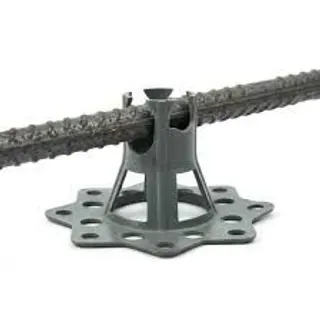
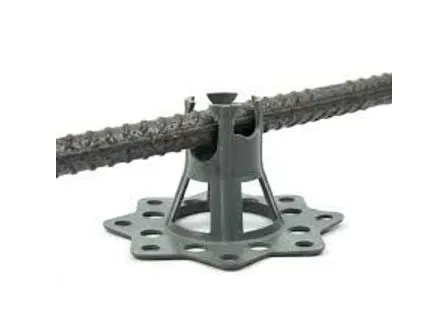
Plastic Rebar Chairs with Base (Rebar Spacers)
Plastic chairs that hold rebar at the right cover while concrete is poured.
Order on WhatsAppTZS 2,630perpiece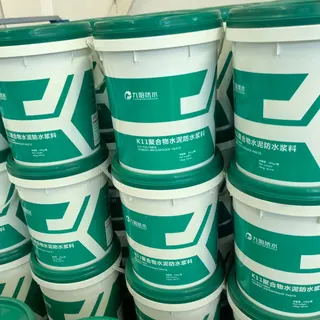
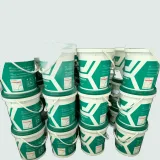
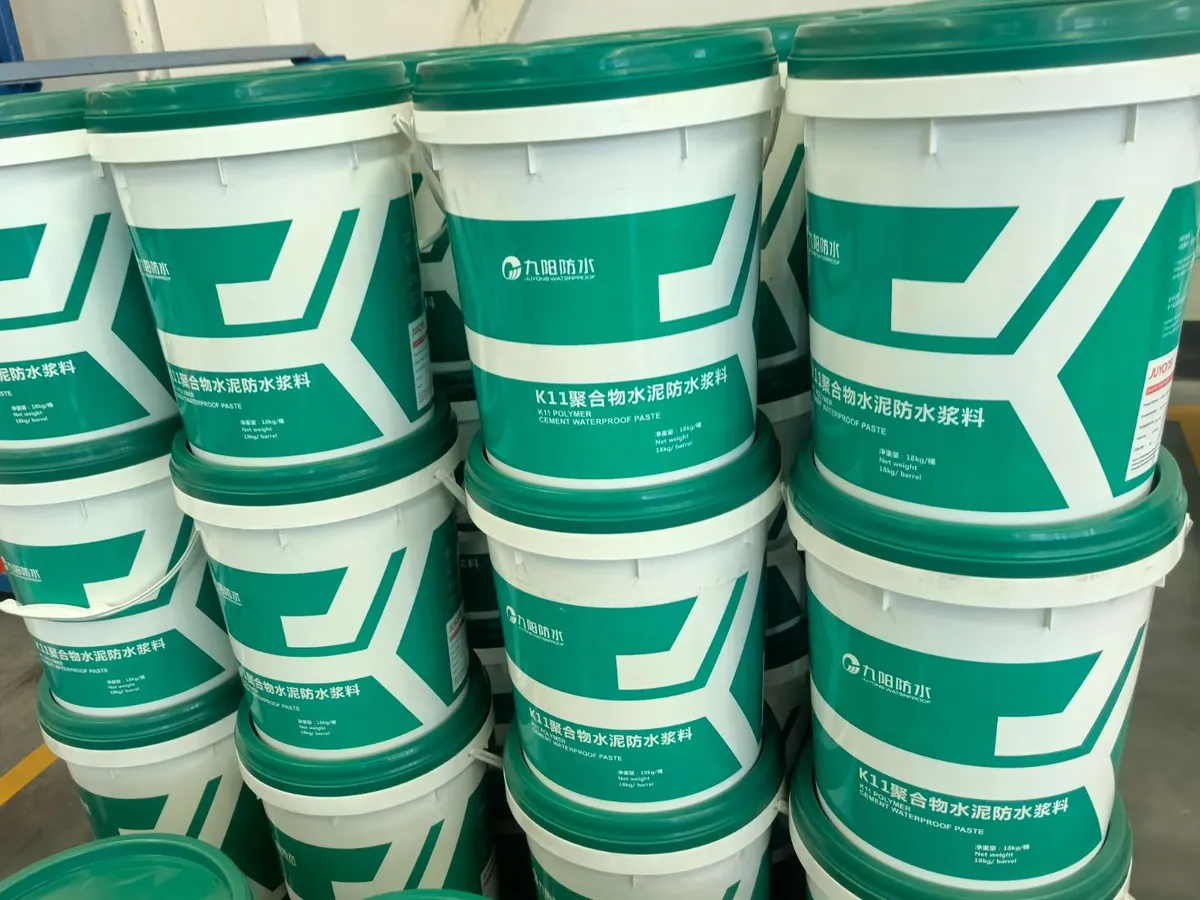
K11 Polymer Cement Waterproof Coating (Two-Component)
18 kg/barrelOrder on WhatsAppTZS 155,000perbucket



What reinforced concrete is
Reinforced concrete, often shortened to RC, is a composite: concrete with steel embedded in it before it sets. The Designing Buildings Wiki traces it to the 1850s, when the French industrialist François Coignet used iron as reinforcement; steel bars followed in the 1880s with the German engineer G. A. Wayss. It can be precast or cast in place, and is used for footings, columns, beams, lintels and slabs, among much else.
How steel and concrete share the load
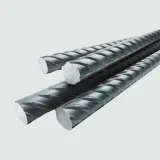
Plain concrete is brittle. It resists crushing well but cracks under tension, so a beam or slab of concrete alone fails where it is pulled — and it copes badly with the stresses of vibration and wind. Steel rods, wire, mesh or cables cast into the concrete take those tensile forces. Because the two materials bond, they act as one structural element.
That is why the position of the steel matters. Bar sizes, grades and spacing are covered on the rebar page; the concrete layer that protects the steel is covered under rebar spacers and cover blocks.
Reinforced concrete materials
| Material | Its job | Notes |
|---|---|---|
| Cement | binds the mix as it hardens | — |
| Fine and coarse aggregate | the bulk of the concrete | stone size is limited by the gap between bars — see aggregates |
| Water | sets off the cement reaction | — |
| Steel reinforcement | carries tension | ribbed bars, mesh or wire |
| Spacers and chairs | hold the steel at the right depth | keep the cover even |
| Fibre (optional) | limits early cracking | added to the mix |
Concrete grades for reinforced work
Ready-mix suppliers sell concrete by strength class. In the class C28/35, as Heidelberg Materials UK explains, the first number is the strength in N/mm² of a crushed cylinder after 28 days and the second that of a cube at the same age. Its designated grades for reinforced concrete run as follows:
| Grade | Use given by Heidelberg Materials UK |
|---|---|
| RC20/25 | lightly reinforced house or garage floors not designed as suspended |
| RC25/30 | lightly reinforced concrete, light-traffic internal floors, reinforced foundations in non-aggressive soil |
| RC28/35 | general reinforced concrete, garage floors used as workshops |
| RC32/40 | general and industrial reinforced concrete, floors for small forklifts |
| RC35/45, RC40/50 | severe or highly demanding exposure |
Next to the RC grades, the same supplier sells GEN grades for non-structural work such as cavity filling and kerbing, and FND grades, rated 30 N/mm², for foundations in sulphate-rich soil. These are British designations, given here to show how grade follows use. On a site in Tanzania the engineer’s drawing sets the grade.
Precast or cast in place
Reinforced concrete is either cast in place (in situ), in formwork on site, or precast in a factory and delivered as finished units — beams, lintels, pipes, poles. Concrete poles for power lines are one precast example; their makers rate them by the load they carry.
Curing: the first week decides the surface
Concrete gains strength by reacting with water, and the reaction stops if the concrete dries out too soon. Heidelberg Materials UK’s curing guidance puts it plainly: badly cured slabs can lose up to half of their surface durability. Its periods and methods:
- How long — most specifications ask for about three to seven days; four days for ordinary Portland cement concrete, and at least seven days with any Portland cement in hot or windy weather.
- How — polythene sheeting laid tight on the fresh concrete soon after finishing, wet hessian or wet sand kept continually damp, or a spray-applied curing membrane.
- In hot sun — wind shields to cut air movement and shading to even out surface temperature.
- Before render or paint — no curing compound on surfaces that will later be rendered, painted or coated.
Keeping the steel in place and the surface sound
During the pour, the steel has to stay where the drawing puts it, with concrete all round it. Kitovu stocks Plastic Rebar Chairs with Base (Rebar Spacers) — plastic chairs that hold rebar at the right cover while concrete is poured.
Fresh concrete can also crack as it loses water in the first hours. Kitovu’s Polypropylene Fibre for Concrete and Mortar is a 12 mm monofilament fibre added at 0.9 kg per m³ to limit plastic shrinkage cracks; the bars still carry the tension.