





































Cement for Concrete and Mortar
Specs checked on
What it is
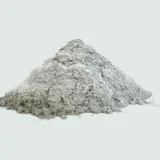
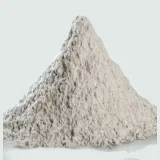
Kitovu keeps bagged cement on the island and sells it for TZS 22,000 per bag. Cement is the grey powder that hardens when mixed with water and binds sand and stone into concrete, mortar for blockwork and plaster for walls.
The brand, type and strength class of the cement in stock are not in Kitovu’s records yet, and neither is the bag weight, so this card does not state them. Ask on WhatsApp, and the reply will give the code printed on the bag. In Tanzania the normal bag holds 50 kg: Tanga Cement, maker of Simba cement, reports in its 2025 annual report that the standard bag leaving its plant weighs 50 kg, while larger buyers take 1.5-tonne jumbo bags or bulk tankers.
Reading the bag
The printed marking tells you two things. The first is the cement type, written the way EN 197-1, the European common-cement standard followed by Tanzanian makers, writes it: CEM I is almost all clinker, while CEM II mixes clinker with limestone, slag or other constituents. The second is the strength class, 32.5 or 42.5, the minimum compressive strength in MPa that a test sample has to reach after 28 days. Twiga Ordinary, for example, is labelled CEM I 42.5N. The cement page sets out the types and what each is used for.
| Parameter | Value |
|---|---|
| Product type | Cement in bags |
| Purpose | Concrete, mortar, plaster and blocks |
| Sale unit | Bag |
Need a figure that is not listed? Ask on WhatsApp.
Specs of similar products — not confirmed for this item
| Parameter | Similar products list |
|---|---|
| Bag weight | 50 kg, the normal bag size in Tanzania |
How it is used
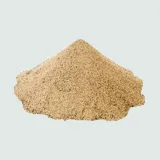
Cement does its work only with the other parts of the mix. In concrete it binds building sand and crushed stone; in mortar for laying blocks and in plaster it binds sand alone. Kitovu sells both by the full truck, so the dry materials for a slab or a wall can come from one place. The proportions of each mix come from the structural drawing or the engineer, not from the bag.
If the drawing names a strength class, give it when you ask, so the reply can confirm whether the bags in stock match. The same goes for the type: a drawing or a specification may ask for CEM I, or accept a CEM II cement.
Keeping bags dry
Cement starts to react as soon as it meets moisture, so a bag left on damp ground or in the rain turns lumpy. On site, bags are kept off the floor on pallets or boards, under cover, and the oldest bags are used first. Ask on WhatsApp how many bags you need delivered at once, so that they do not wait for weeks in the open.
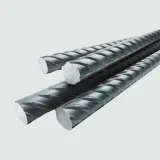
For bars that go into the same concrete, see Steel Rebar (Reinforcement Bars), also in stock in Zanzibar.
Also in stock
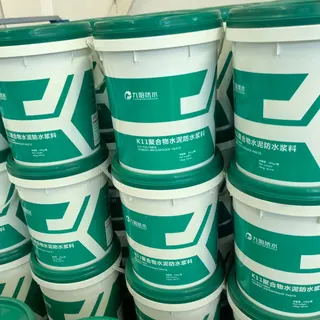
K11 Polymer Cement Waterproof Coating (Two-Component)
18 kg/barrelOrder on WhatsAppTZS 155,000perbucket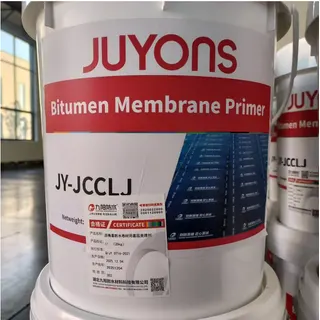
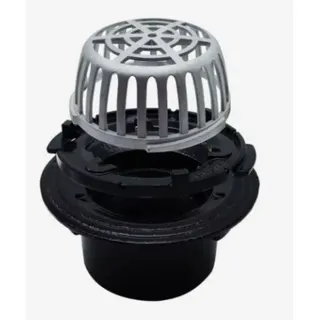
Flat Roof Drain with Dome Strainer for 110 mm Pipe
For 110 mm pipeOrder on WhatsAppTZS 159,900perpiece