


























Concrete fiber (fibre for concrete): types and dosages
Published · Updated
Concrete fibres are short strands of polymer, steel, glass or natural fibre mixed into concrete to control cracking. Sika's concrete handbook gives typical doses of 0.6–2 kg/m³ for synthetic micro fibres, 3–8 kg/m³ for macro fibres and 20–40 kg/m³ for steel fibres; only the last two are meant to replace steel reinforcement.
In stock in Zanzibar
See all 11 products
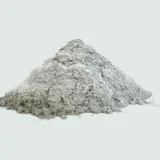
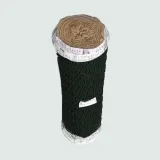
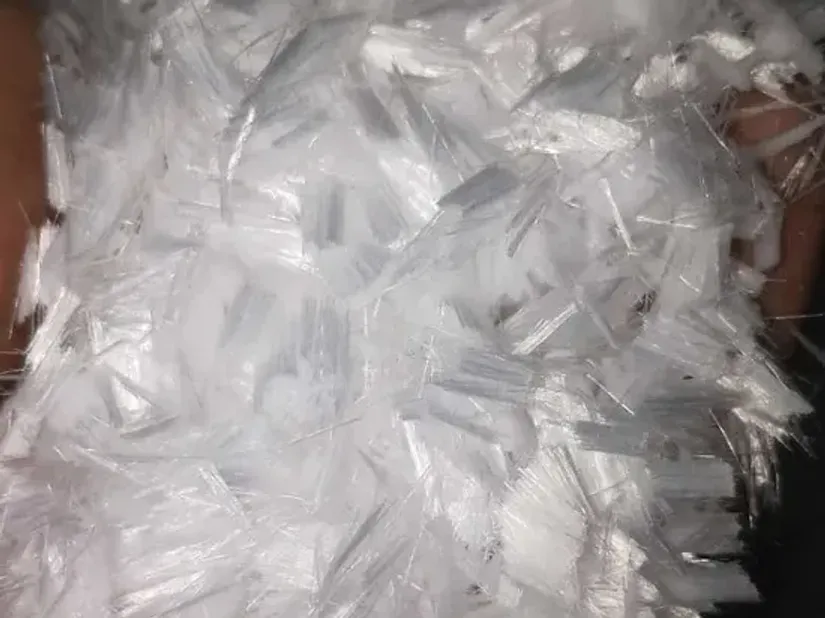
Polypropylene Fibre for Concrete and Mortar
12 mm polypropylene monofilament fibre against plastic shrinkage cracks, 0.9 kg per m³.
Order on WhatsAppTZS 15,100perkg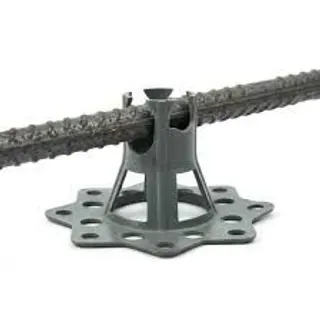
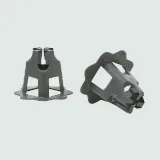
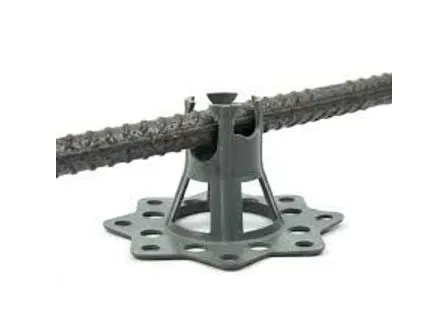
Plastic Rebar Chairs with Base (Rebar Spacers)
Plastic chairs that hold rebar at the right cover while concrete is poured.
Order on WhatsAppTZS 2,630perpiece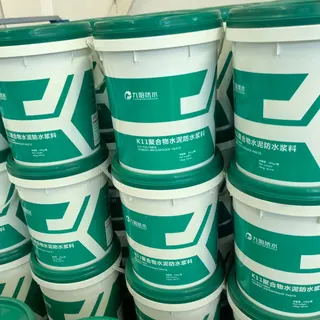
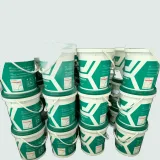
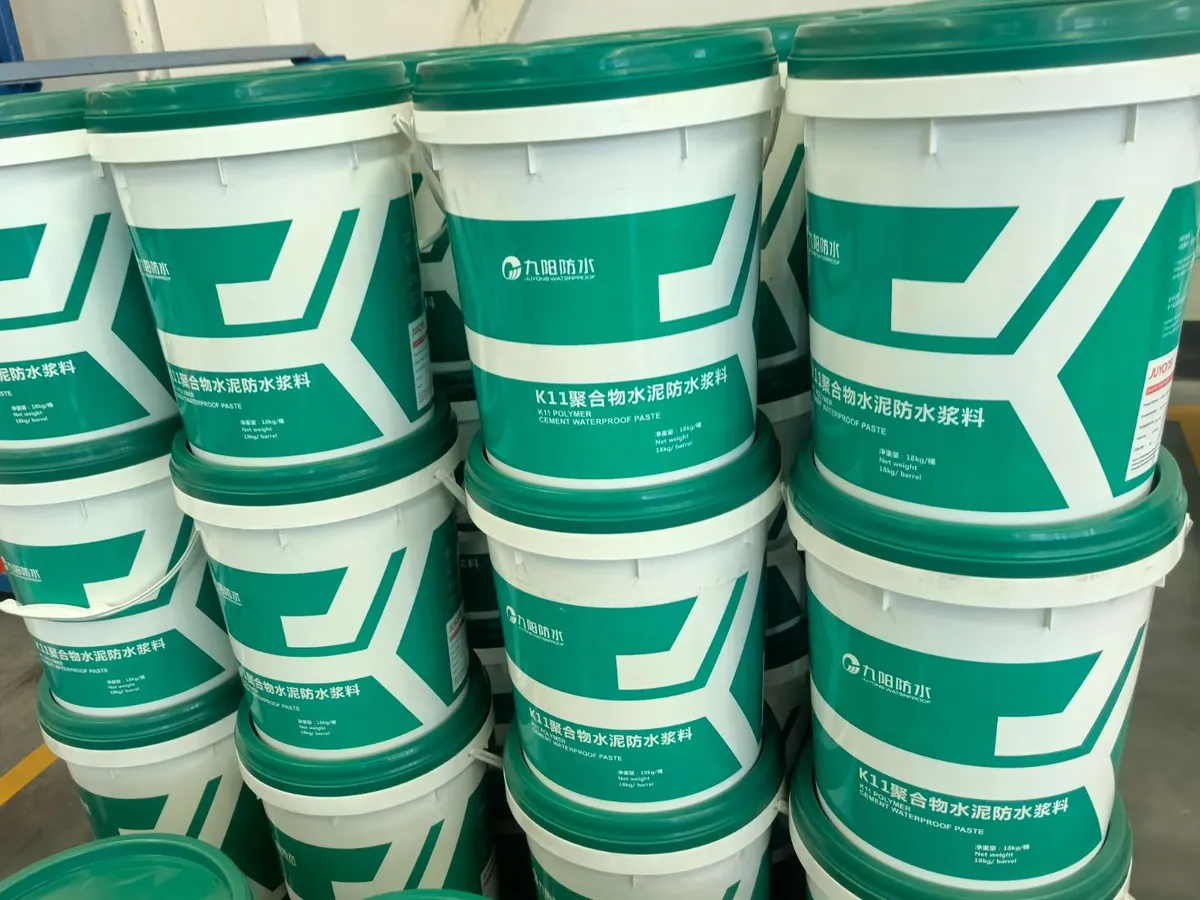
K11 Polymer Cement Waterproof Coating (Two-Component)
18 kg/barrelOrder on WhatsAppTZS 155,000perbucket
Concrete fibre: what it does
Fibre reinforced concrete is ordinary concrete with short fibres spread through the whole volume. The fibres hold the paste together while it is still plastic and bridge fine cracks as it hardens. The American Concrete Institute lists fibres of steel, glass and organic polymers, and natural fibres such as sisal and jute, and names the gains they can bring: smaller crack widths, higher residual strength after cracking, longer fatigue life, and better impact and fire resistance.
How much fibre is added decides which of those you get. ACI puts synthetic fibres for plastic shrinkage control at about 0.1% of the concrete volume, and synthetic or metal fibres for flexural strength, toughness and crack control in hardened concrete at 0.3% by volume or more. The same answer warns that fibres reduce workability, so concrete with fibre reinforcement often needs a water-reducing admixture, a longer mixing time and fibre added at a set point in the mixing sequence.
Micro, macro and steel fibres
Concrete reinforcement fibres are split by thickness. On its fibres page, Sika gives the European division: micro fibres are thinner than 0.3 mm, macro fibres thicker.
| Fibre | Diameter | Typical length | Typical dose | Used for |
|---|---|---|---|---|
| Synthetic micro fibre (polypropylene) | below 0.3 mm | 12–19 mm | 0.6–2 kg/m³ | plastic shrinkage cracks, impact, spalling in fire |
| Synthetic macro fibre | above 0.3 mm | 38–50 mm | 3–8 kg/m³ | replacing shrinkage and temperature steel; structural use where designed |
| Steel fibre | — | — | 20–40 kg/m³ | structural replacement of steel reinforcement in shotcrete, slabs, precast |
Sources: diameters and uses from the Sika fibres page; doses from the Sika Concrete Handbook, 2020 edition, section 3.5.3; lengths from the Euclid Chemical contractor’s guide, which gives slightly different dose ranges of 0.3–0.9 kg/m³ for micro and 1.8–9.0 kg/m³ for macro fibres.
For micro fibre concrete the dose comes from the product data sheet; the one below lists slabs, screeds and plaster among its uses. Macro and steel fibres belong to a design: Sika notes that their contribution is measured as residual flexural strength by tests such as ASTM C1609 or EN 14845, and a structural engineer has to specify that value.
Polypropylene fibre for concrete: one data sheet in detail
The Sika data sheet for SikaFiber PPM-12 (August 2020), a 12 mm monofilament PP fibre for concrete, shows the figures a buyer can ask for on any product:
| Property | SikaFiber PPM-12 |
|---|---|
| Polymer | 100% polypropylene |
| Type | monofilament, Class 1a to EN 14889-2 |
| Length / diameter | 12 mm / 32 µm |
| Density | about 0.91 g/cm³ |
| Melting point | about 160°C |
| Dose | about 600 g per m³; 1,000–2,000 g per m³ to reduce spalling at high temperature |
| Pack | 600 g bag |
At 600 g per m³, the fibre takes up about 0.066% of the concrete volume (our calculation: 0.6 kg ÷ 910 kg/m³), below the 0.1% ACI mentions for plastic shrinkage control; the manufacturer’s dose is the one to follow for its product. A slab 10 × 8 m and 100 mm thick holds 8 m³ of concrete and would take 4.8 kg of this fibre (our calculation).
The data sheet lists ground-bearing slabs, screeds and overlays, renders and plasters, precast elements, and sprayed and extruded concrete as uses. It names the effects as less plastic and drying shrinkage cracking, less plastic settlement, lower permeability, less slab curling and higher impact resistance. The Polypropylene Fibre for Concrete and Mortar in Kitovu’s Zanzibar stock is the same kind on paper: 12 mm monofilament polypropylene, 30 µm across, dosed at 0.9 kg per m³ against plastic shrinkage cracks.
What polypropylene fibre will not do
The same Sika data sheet is direct about the limits: do not use it to replace structural steel reinforcement, and fibres will not improve the quality of poor concrete or mortar. Concrete polypropylene fibres therefore sit alongside the bars, not instead of them; the bars, their sizes and grades are on the rebar (nondo) page, and the cover blocks that hold them in place on the rebar spacers page.
Fibre mesh concrete is a name used for concrete with fibrillated micro fibres. Sika notes that these are often used instead of the lightest welded wire mesh for temperature and shrinkage control; whether a mesh can be left out of a particular slab is a design decision.
Adding fibre to the mix
- Check the dose on the data sheet of the fibre you buy, in grams or kilograms per m³.
- Add the fibre with the dry aggregates; if it goes in last, extend the mixing time — Sika’s guide is one extra minute per m³.
- Do not add the fibre directly into the mixing water; the same data sheet rules that out.
- Expect lower workability: ACI notes that water-reducing admixtures are often used with fibres (see concrete admixtures).
For the different material in which glass fibre is the main reinforcement, see glass reinforced concrete (GRC).
Questions
What fibres are used in concrete?
Short fibres of steel, glass and organic polymers such as polypropylene, and natural fibres such as sisal and jute, according to the American Concrete Institute. Synthetic fibres at about 0.1% by volume target plastic shrinkage cracks; 0.3% or more by volume of synthetic or steel fibre improves the hardened concrete.
How is fibre-reinforced concrete made?
The fibres go in during mixing. One polypropylene fibre data sheet asks for them to be added with the dry aggregates, or, if added last, for about one extra minute of mixing per cubic metre, and never straight into the mixing water.