













































































































Camel Cement: grades and uses of the Mbagala-made cement
Published · Updated
Camel cement in Tanzania is produced by Amsons Group (T) Ltd at a plant in Mbagala, Dar es Salaam. The group's product page lists four grades, from 32.5N for road stabilisation to 42.5R for block making and ready-mix concrete, and states that all of them comply with EN 197.
In stock in Zanzibar
See all 11 products
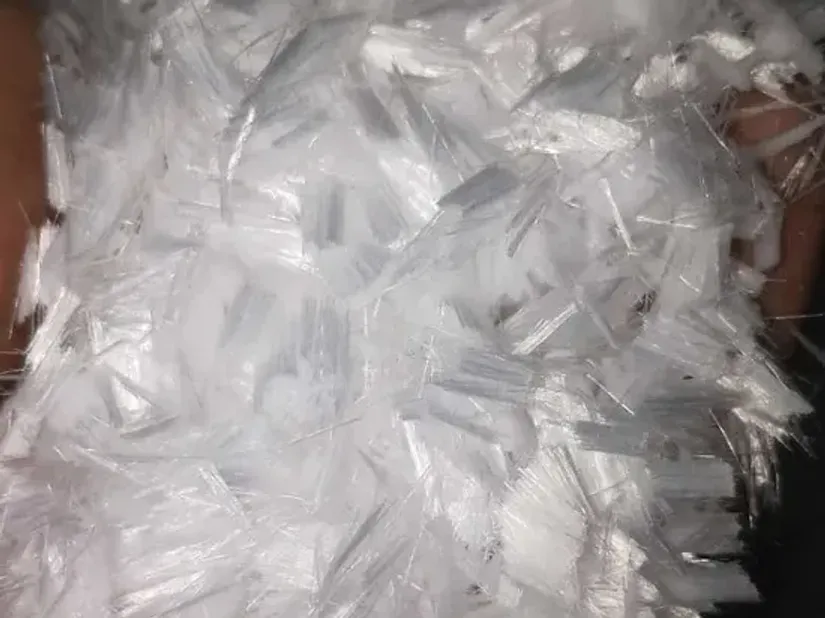
Polypropylene Fibre for Concrete and Mortar
Added to concrete and mortar mixes to limit plastic shrinkage cracks.
Order on WhatsAppTZS 15,100perkg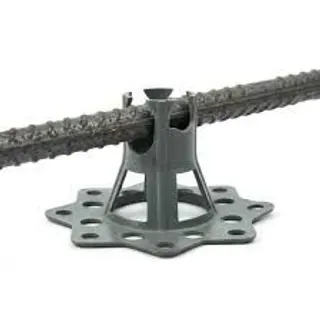
Plastic Rebar Chairs with Base (Rebar Spacers)
Plastic chairs that hold rebar at the right cover while concrete is poured.
Order on WhatsAppTZS 2,630perpiece
K11 Polymer Cement Waterproof Coating (Two-Component)
18 kg/barrelOrder on WhatsAppTZS 155,000perbucket




What Camel cement is
Camel is a cement brand of Amsons Group, a Tanzanian company whose brand list also carries Camel Oil, Camel Lubricants and Camel Flour. The Camel Cement page on the group’s site gives the plant’s location as Mbagala, Dar es Salaam, close to the city centre on a tarmac road.
Camel is not the group’s only cement. The same list includes Mbeya Cement, maker of the Tembo brand in Mbeya Region, and Bamburi Cement in Kenya.
Camel cement grades and uses
The product page names four grades by strength class and gives each a purpose. The group states that all four comply with EN 197 standards; that is its own claim, and the page does not give the cement type (CEM I, II or IV) for any of them.
| Grade | Name used by the maker | Features listed | Uses listed |
|---|---|---|---|
| 42.5R | Rapid Hardening | higher compressive strength, denser concrete, low water–cement ratio | block making, ready-mix concrete, roads and bridges, roof slabs, columns |
| 42.5N | High Strength | long-term strength gain; for structural work | pillars, slabs and walls, bricks, precast, paving |
| 32.5R | All-Purpose | consistent results | foundations, columns, walls, paving slabs, plastering, bricks, mortar |
| 32.5N | Road Stabilization | high workability, low heat of hydration | road stabilisation, site concrete, paving, masonry, floor repairs |
Read across the table, the higher class goes to load-bearing and factory work, the 32.5R grade to everyday house building and the 32.5N grade to roads. What 32.5 and 42.5 mean in megapascals, and what the R adds, is explained with the cement strength classes; a maker that also sells a 42.5R and a 32.5R is Dangote Cement in Tanzania.
What to check when you buy Camel cement
- The grade printed on the bag. All four Camel products come from the same plant under one brand, so the class on the bag is what tells them apart.
- The type. Because the product page does not state it, ask the seller for the data sheet if a drawing calls for a specific type such as CEM I or CEM II.
- Dry, lump-free cement. The storage guidance of Ohorongo Cement keeps bags off the ground and covered, and treats hard lumps as a sign that the cement is no longer fit for building.
Does Kitovu sell Camel cement?
No. Kitovu does not stock Camel cement, and its price is not listed on this page. For orders of the cement itself, the product page lists Amsons Group contacts.
Kitovu’s stock in Zanzibar does include one product for concrete and mortar made with cements like these: Polypropylene Fibre for Concrete and Mortar, a 12 mm monofilament microfibre that the owner’s details describe as a plastic shrinkage crack control additive.